A beginner’s guide to buying pre-owned luxury watches: Risks and tips
Thinking of purchasing your first pre-owned timepiece? The secondary market has plenty of interesting choices but also many risks – here’s how experienced collectors navigate it.
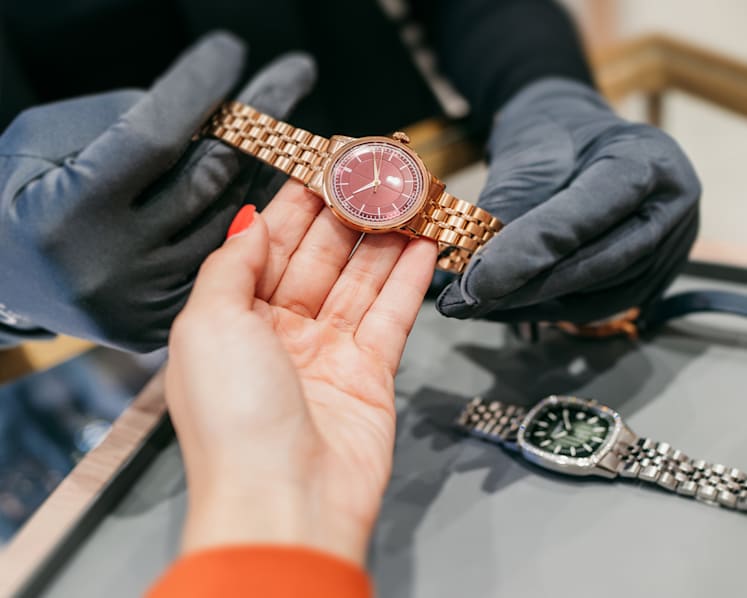
(Photo: iStock)

This audio is generated by an AI tool.
Why do many watch enthusiasts turn to the second-hand market? The biggest pull factor is the price difference between buying directly from the brand and a second-hand retailer. A pre-owned luxury watch is likely to come at a lower price point.
Deborah Wong, co-founder of watch appreciation community TickTockBelles, agreed that this is true for many watches sold in the secondary market. “Many used watch models may not retain their original retail price, and buyers could often pick up a bargain in the pre-loved market. I have even seen brand-new watches selling below retail price in the second-hand market,” she shared.
Beyond the price factor, collectors are also drawn to the chances of encountering certain rare or hard-to-get watch models in the pre-owned market.
“In many ways, the secondary market has shifted the culture of watch collecting. Instead of simply going for the latest release, buyers are increasingly interested in design history, rarity and craftsmanship across decades," said watch collector Shawn Tan, who also owns vintage watch shop Heirloom Gallery.
"The second-hand market turns watch collecting into exploration – the thrill is always in the hunt, and that journey makes collecting truly rewarding,”
This sector of the watch market can, however, be intimidating for newcomers since buyer security isn’t guaranteed. “The very qualities that make buying second-hand watches exciting – variety, age and rarity – also introduce certain risks,” noted Tan.
To mitigate the risks, CNA Lifestyle got seasoned watch collectors to share tips on how one can get into the pre-owned market carefully and confidently.
READ UP OR TALK TO EXPERTS
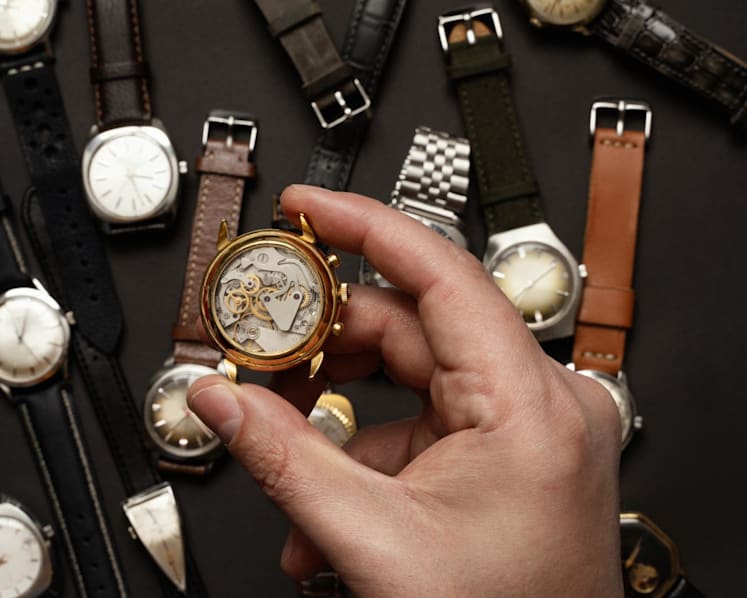
If you’re new to this mode of watch shopping, be prepared to do plenty of research. Knowing everything about the model you have in mind is requisite – this will help you identify indicators of authenticity and understand how the design may have evolved over the years.
The good news is that technology has made it so easy for one to acquire information and connect with people.
“These days, there are lots of way to research any watch model of interest. The internet and social media are good resources, and AI can even be a helpful tool. But, above all, find a watch community to ask for opinions, seek out owners of the watch model you are interested in and have a chat with them to learn more about it,” suggested Stephanie Soh, also a co-founder of TickTockBelles.
Research is not just about verifying authenticity, it deepens the appreciation of the watch.
For Tan, researching a watch serves multiple purposes. “If you understand the model deeply, it becomes much easier to judge whether an individual piece is period-correct, special or ordinary. Research is not just about verifying authenticity, it deepens the appreciation of the watch. The more layers you uncover, the more the watch becomes a piece of history rather than just an object,” he said.
ONLY GO TO REPUTABLE SELLERS
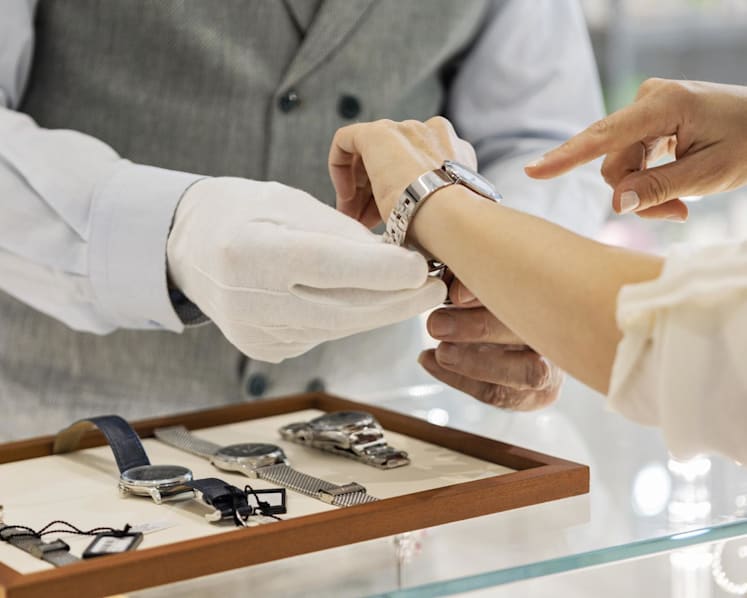
Whether you’re thinking of buying a second-hand watch in the online marketplace, or from a dealer with a physical shop, the first and most important step in acquiring your timepiece is to thoroughly check the seller’s reputation and credibility.
It can be tricky to verify the authenticity and ascertain the quality of pre-owned watches if you’re buying them from private sellers. This is why going to established dealers is advisable, said Soh.
“They have a reputation to upkeep, and would already have ascertained a watch’s authenticity before putting it up for sale. For lesser-known private sellers, you have to do your due diligence. Ask them for references from people in the watch circle who you can verify with. The references should be diverse, from different regions in the world as much as possible, or ask a watch community that you are in if anyone had experience with this private seller,” she shared.
A reputable dealer is bound to accountability.
Experienced dealers also have expertise accumulated over years of handling watches. “They have the knowledge to identify original parts, service replacements, refinished dials or assembled pieces – details that may affect value and collectability. They also often have networks with other collectors, auctions and estates, which means they can source more interesting or well-preserved watches,” said Tan.
Most importantly, a reputable dealer is bound to accountability. “If an issue arises with a watch they sold, they are far more likely to stand behind it, offer returns or help resolve problems,” he added.
If you must buy from a private seller, take note if the person is vague or evasive when answering your queries. Tan pointed out that genuine sellers should be comfortable disclosing information, including that on the condition and service history of the watch, originality of its parts and where it was bought.
VERIFYING AUTHENTICITY

There are multiple ways to authenticate a watch – visually inspecting a watch for its finishing, hallmarks and engravings, inner mechanisms, or checking its serial number and documentation. While these methods can be reliable to an extent, they are not completely foolproof as such features can be replicated in counterfeits.
Tan suggested taking time to study information from multiple sources, such as catalogue images, collector forums or credible auction listings featuring the watch model, so that one can perform surface-level checks more adequately. The dial is one component to examine carefully – check the font, logo placement and printing quality for consistency.
Reference and serial numbers engraved on the case can be cross-referenced with the manufacturer’s database – these should correspond with the model and production period. The case shape, finishing and hallmarks like gold hallmarks and maker’s marks, as well as caseback engravings can also help in assessing authenticity.
“If your desired watch is a commonly available model in the secondary market, visit a few dealers to view the same watch for research purposes, asking the same questions, as you can sometimes learn different information from each seller,” advised Wong.
Authentication is ultimately an expert opinion based on available evidence, and even specialists can occasionally disagree.
Many buyers like to ask for the receipt, documentation and packaging that came with the watch when it was first acquired – they can be helpful in verifying authenticity, but should not be taken as absolute proof since they can be forged. Note, also, that not all watches in the secondary market will come with them, as they may have been lost over time.
Though not typical, a pre-purchase check by a qualified professional is recommended for buyers seeking more assurance for a high-value purchase. While not all watch brands can help you with this, there are professional centres that provide watch authentication services at a charge – a small expense for the added security of an in-depth assessment.
It cannot represent a 100 per cent guarantee of authenticity, however. “Authentication is ultimately an expert opinion based on available evidence, and even specialists can occasionally disagree, especially with vintage pieces where variations and historical quirks exist,” noted Tan.
QUALITY CHECKS

Not all watches sold in the secondary market are vintage or used – you can find some pieces sold in brand-new condition. Used pre-owned watches should, of course, come in the condition as described by the seller. You should also check if it comes with all its original components (the seller should inform you if they have been changed).
The latter is important since they can impact the value or functionality of the watch. “A watch that is ‘honest’, original, and well-preserved is usually more desirable, even with small signs of age, than one that has been heavily restored or altered,” shared Tan.
A watch that is ‘honest’, original, and well-preserved is usually more desirable, even with small signs of age, than one that has been heavily restored or altered.
“I do always ask for servicing records, what the authenticity guarantee (if any) covers, and if there is a warranty period, particularly when buying a piece from dealers,” said Wong. In instances where pre-purchase authentication is not possible, ask the seller what type of recovery can be provided if issues are uncovered with an in-depth post-purchase inspection.
The process of buying a second-hand luxury watch is hardly straightforward, but this is exactly what draws some watch enthusiasts to the pre-owned market. “In many ways, the risks are also what make the secondhand market fascinating. It rewards patience, research and relationships with knowledgeable dealers and collectors. When approached carefully, the process becomes less about simply buying a watch and more about learning to recognise quality, authenticity and history,” said Tan.