

brand studio Advertorial
Why your social circle may be the missing link in holistic health
A new Asia-Pacific survey suggests family, friends and communities can play an important role in helping people build and sustain healthy lifestyle habits.
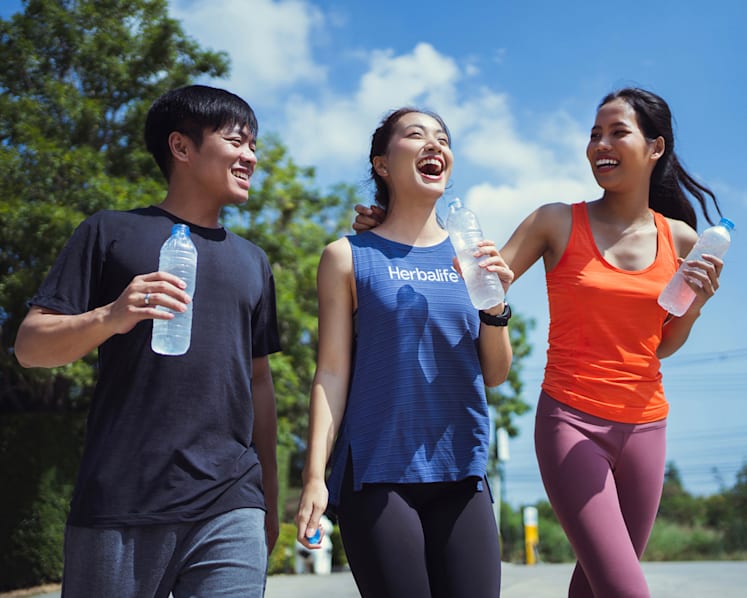
The Herbalife Asia Pacific Wellness Culture Survey 2026 points to the role of social support in helping people stay motivated to build and sustain healthy habits. (Photos: Herbalife)

This audio is generated by an AI tool.


Presented by

Think about the last time you started — and stuck with — a healthy lifestyle habit. Perhaps a friend persuaded you to join a group fitness class or your family began making healthier meals together.
While wellness goals are often personal in nature, our overall well-being is also shaped by the people around us. Encouragement from a loved one, support from a community or shared routines at home can make healthy choices feel less like an individual effort and more like something that fits naturally into daily routines.
The Herbalife Asia Pacific Wellness Culture Survey 2026, which gathered responses from more than 10,000 people in 11 markets, including Singapore, found that 82 per cent of respondents said holistic health was extremely or very important. Yet fewer than half rated their physical, mental or emotional wellness as excellent or very good.
The findings highlight a familiar gap between wanting to live well and actually living it out in practice. They also raise a wider question: What helps people turn good intentions into lasting habits? For many, the answer may lie not only in personal discipline, but also in the relationships, communities and environments that make healthier choices easier to sustain over the longer term.

WHY THE PEOPLE AROUND US MATTER
Holistic health goes beyond diet and exercise. It recognises that physical, mental and emotional well-being are closely connected and that one can influence another.
Social connection is part of this wider picture. Supportive relationships can provide encouragement, accountability and a sense of belonging, making healthy choices feel more achievable.
In the survey, friends or family ranked as the top positive influence on respondents’ physical, mental and emotional wellness in the past 12 months. Home and social circles were also the environments most often cited as having a positive influence on wellness habits.
Among respondents who identified these environments, 85 per cent said the home had become a more important influence on their wellness habits than three years ago, while 80 per cent said the same of their social circles.
“These findings highlight that wellness is not always easily achieved in isolation. The people around you play a crucial role in providing the everyday support needed to turn good intentions into lasting habits,” said Mr Thomas Harms, managing director, Asia Pacific, Herbalife. “When families, friends and communities make healthier choices together, wellness goals become easier to attain and sustain over time.”
WELLNESS WORKS BETTER TOGETHER
Healthy living is increasingly becoming something people share, not just a goal they pursue on their own.
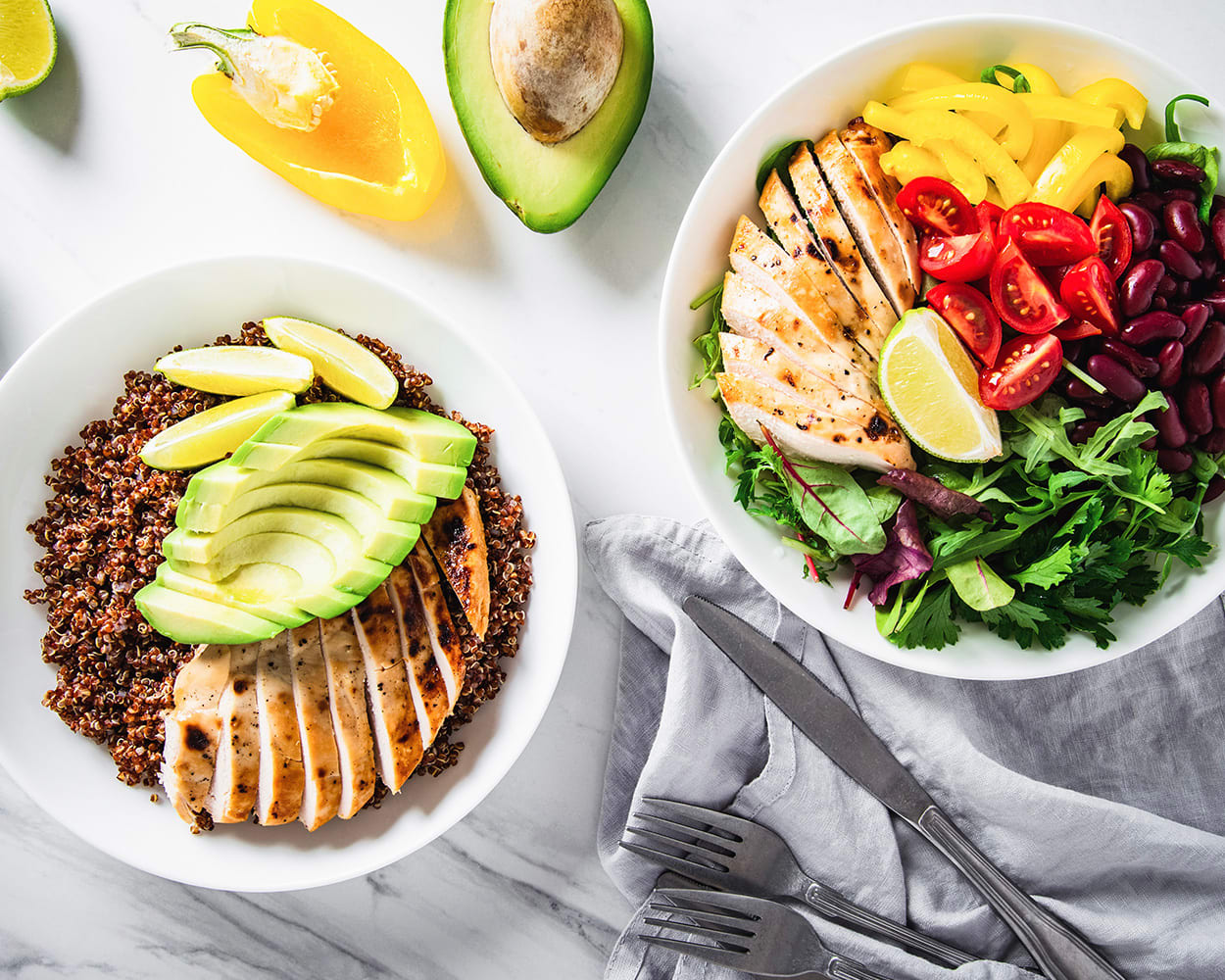
Among respondents asked about wellness-related actions in the past year, 47 per cent said they had prepared or bought healthier food for someone else. The same proportion said they had shared their personal wellness journey with another person. For both actions, about eight in 10 said they were doing so more often now than three years ago.
“These individuals are not only supporting others – they are reinforcing their own commitment as well,” said Mr Harms.
The findings suggest wellness is becoming more social. Someone trying to sleep earlier may find it easier when the household winds down together. Someone hoping to be more active may stay motivated by joining a cycling group or sharing progress with a trusted friend. When healthy habits fit naturally into existing relationships and routines, people can draw encouragement and accountability from those around them rather than relying on self-discipline alone.
“This sense of shared purpose can make holistic health feel more enjoyable and sustainable, while keeping one motivated to keep their wellness momentum going in the longer term,” said Mr Harms.
HOW TO OFFER SUPPORT THAT HELPS
The survey also showed that many people expect to need more help with their well-being in the year ahead. Nearly two-thirds of respondents said they wanted more support for physical health, while 51 per cent cited mental health and 46 per cent cited emotional health.
Among those looking for more support with physical health, motivation was the most cited need. This points to a simple but important gap: People may know what healthier living looks like, but they still need encouragement to stay on track.
Support does not have to be complicated. Guidance from health authorities, such as Singapore’s HealthHub and the US National Institutes of Health indicates that small, practical gestures can make a difference, especially when they feel more encouraging than intrusive. A simple check-in, listening without judgment and celebrating small milestones may be more useful than repeated reminders about what someone “should” do.
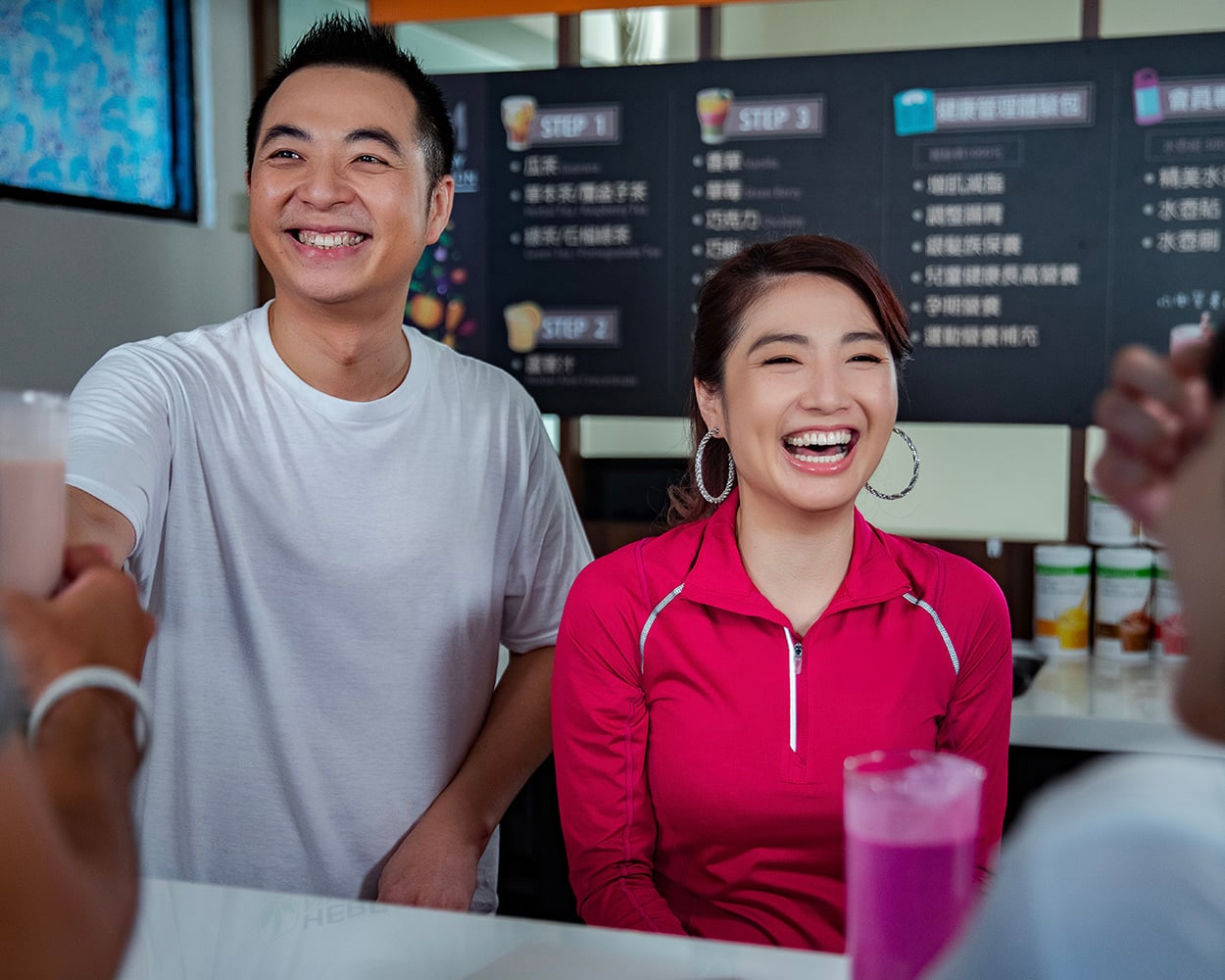
Shared activities can also make healthy habits feel more enjoyable. Invite a friend for a regular walk, explore a new park connector or join a community exercise class. At home, simple changes such as keeping fruit within reach or setting aside device-free time before bed can help make well-being feel like part of daily life rather than another item on the to-do list.
It is also important to know the limits of informal support. Friends and family can offer valuable encouragement, but they are not a substitute for professional care. Encourage someone to seek help from a qualified healthcare professional if stress, sleep issues or emotional difficulties persist.
“Holistic health needs to be built consistently over time. While nutrition and guidance can play a part, a supportive community can also help people stay committed to their wellness goals and build habits that last,” said Mr Harms.
Read the Herbalife Asia Pacific Wellness Culture Survey 2026 for more insights into wellness trends.

