How Chota House spent 17 years building a slow fashion brand in Singapore
What began as a leap of faith by founder Andrew Tay has grown into an enduring homegrown brand, built on craftsmanship and an unwavering belief in slow fashion.
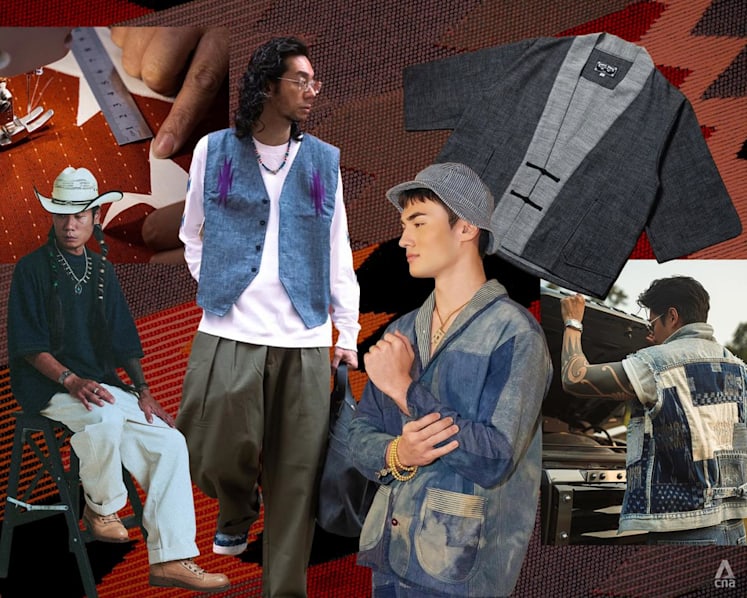
How Chota House spent 17 years building a slow fashion brand in Singapore. (Photos: Chota House, art: Jasper Loh)

This audio is generated by an AI tool.


When CNA Lifestyle visited Chota House on a quiet Monday afternoon, founder Andrew Tay was deep in conversation with a couple browsing the racks.
In his relaxed workwear silhouette and shoulder-length curls, the 44-year-old looked as though he had stepped out of a Japanese menswear magazine. Picking up a jacket, Tay slipped into an explanation of its fabric, construction and design, punctuating his observations with stories gathered through years of making clothes. The customers listened intently, peppering him with questions of their own. Fifteen minutes later, they bought the jacket.
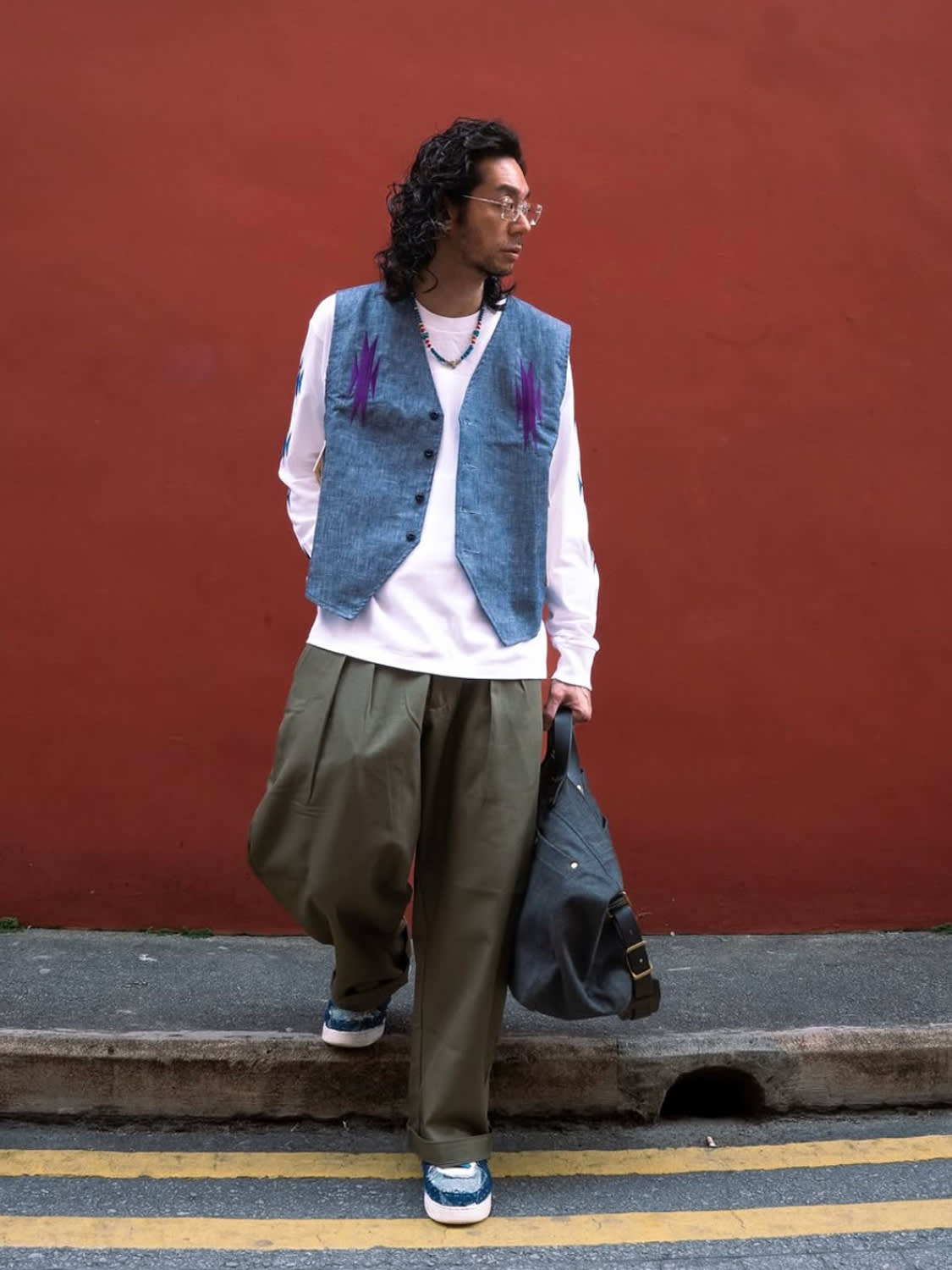
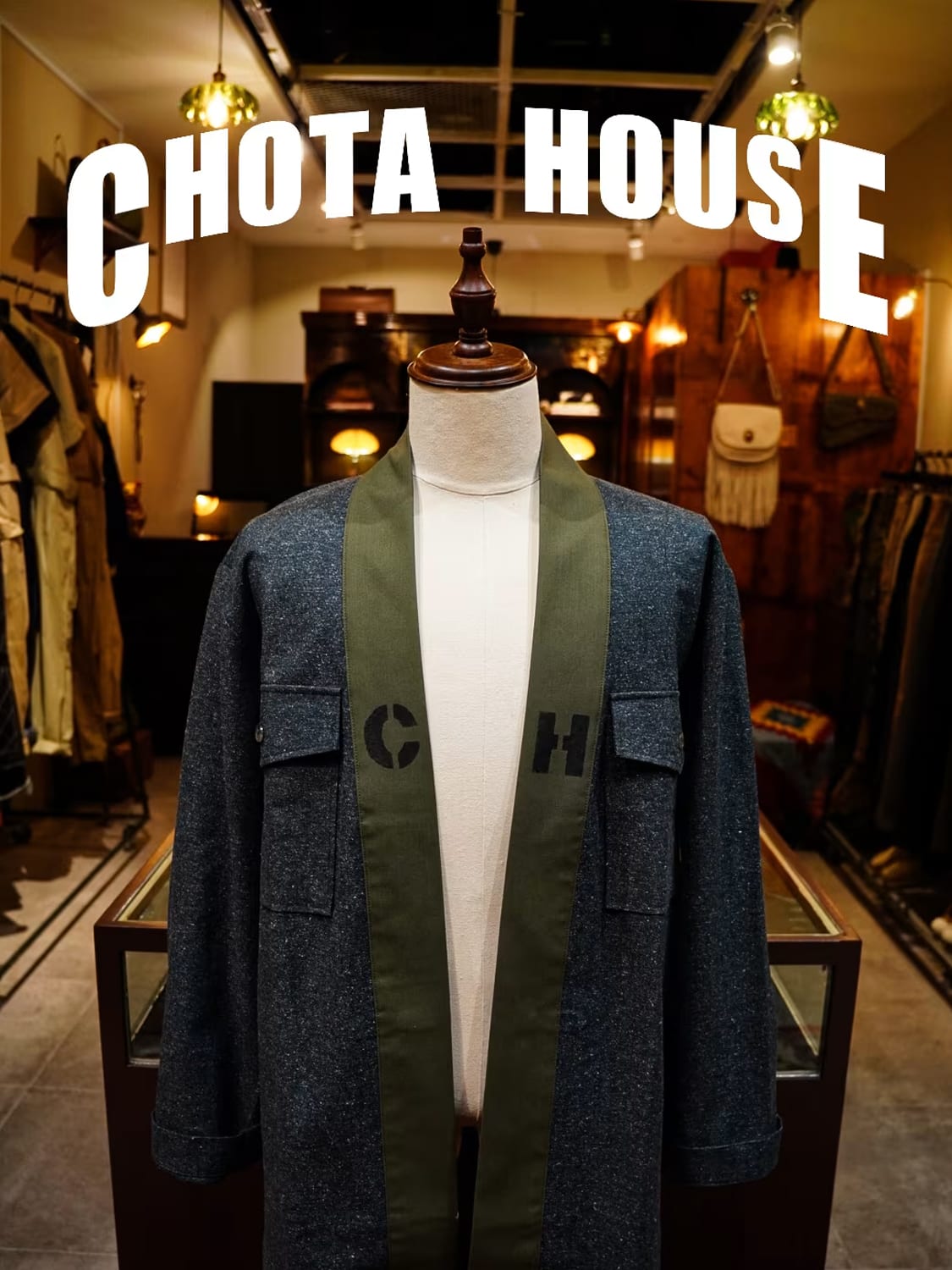
It was a fitting introduction to Chota House, the independent unisex fashion label Tay founded in 2009. Tucked away on the fourth floor of 313@somerset, the boutique is warm and understated: Vintage rugs softened the concrete floor, dark timber cabinetry lined the walls hung with leather bags, and garments carefully displayed throughout.
The decor reflects Tay’s belief that good clothing deserves to be appreciated slowly – something woven into the very name of his label.
“Chota means ‘small’ or ‘little’ in Hindi,” he explained. “It refers to my attention to small little details, like stitching, buttons, and fabrics.”
Tay described his label’s aesthetic as “heritage style with a modern twist”, born from a lifelong fascination with vintage military clothing and denim collected on his travels since he was young.
Chota means ‘small’ or ‘little’ in Hindi. It refers to my attention to small little details, like stitching, buttons, and fabrics.
FINDING HIS OWN PATH
Tay spent a year studying fashion design at LASALLE College of the Arts alum and worked three years in retail at Saint Laurent before joining a friend at the now-defunct menswear store Underground in Queensway Shopping Centre. The boutique, which stocked imported labels alongside original designs, introduced him to the realities of sourcing, designing and running an independent fashion business.
When his friend decided to wind the business down, Tay saw an opening. “I wanted to try and see how long I could do this on my own,” he said.
In 2009, he opened the first Chota House store at Iluma – now known as Bugis+ – before eventually relocating to its current Orchard address.
Early collections were more fashion-forward, but Tay soon realised that chasing trends was an uphill battle for a small independent label with limited production capacity. Instead of competing on speed or volume, he leaned into what came naturally: timeless garments rooted in craftsmanship, functionality and the attention to detail that gave Chota House its name.
MADE IN SINGAPORE
While many independent labels manufacture overseas to keep costs down, Chota House continues to produce locally – a decision, Tay admitted, driven as much by necessity as philosophy.
“The minimum order quantities for overseas manufacturing were too high for me,” he said simply.
Producing locally also gave Tay something he couldn't get overseas: flexibility.
Rather than committing to hundreds of garments at a time, he could make small runs, tweak patterns and refine designs based on customer feedback. Along the way, he learnt pattern drafting and garment construction from a veteran local seamstress – skills he jokes he never picked up during his year at fashion school.
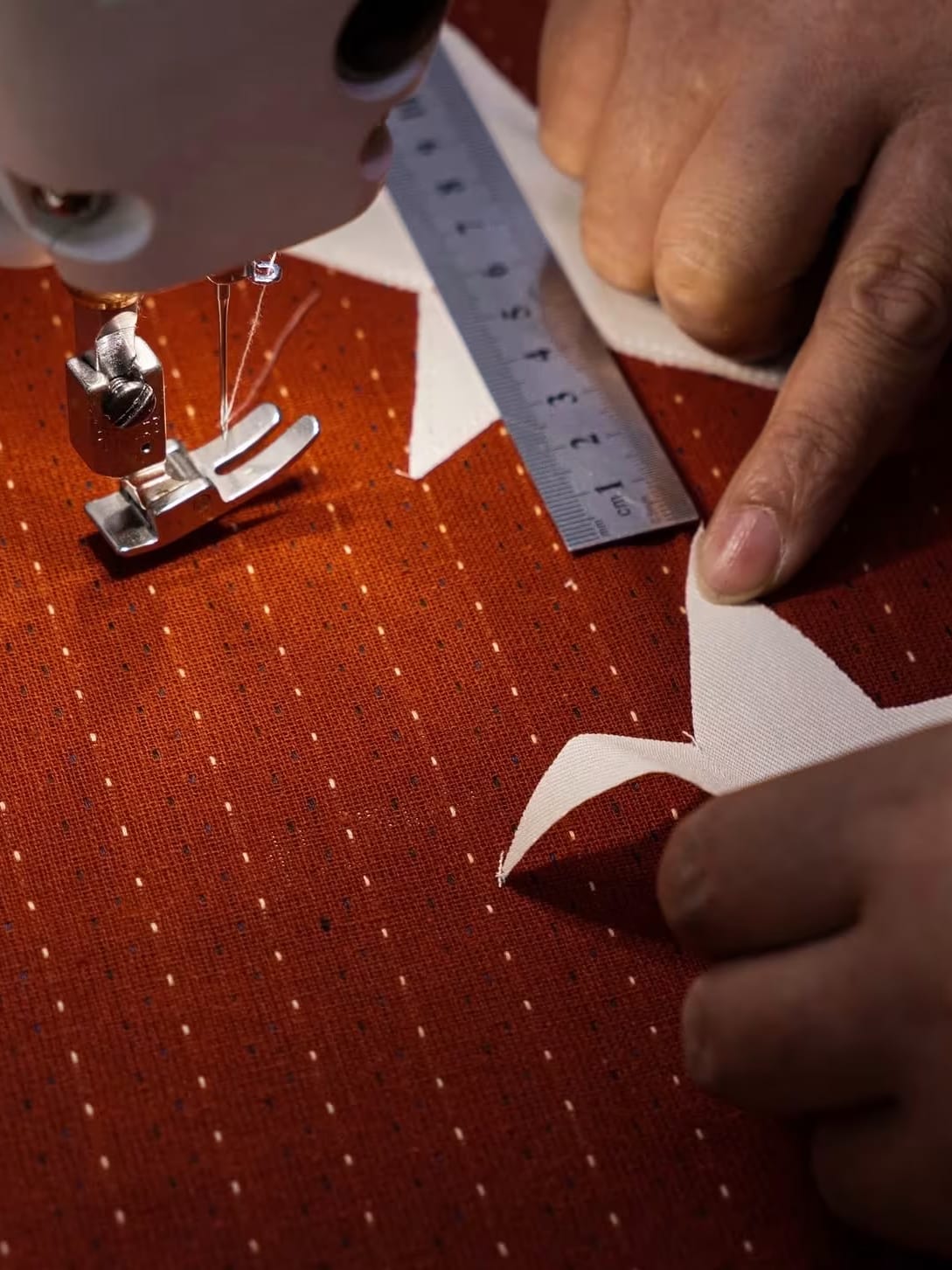
Today, Chota House operates from a small studio in Ubi with a team of seven freelance craftsmen. Ninety per cent of its fabrics come from Japan through a long-standing relationship with a second-generation textile wholesaler, while new designs are introduced gradually instead of through traditional seasonal collections.
Tay reached for one of the jackets hanging nearby and ran his fingers over the fabric.
“There’s beauty in how it washes and how it ages over the years,” he said. “That’s something you don’t often see in fast fashion.”
Many of Chota House's garments are still made largely by hand, allowing the team to experiment with techniques such as indigo dyeing, sashiko stitching and patina finishes that would be costly to reproduce at scale.
“When we focus on a few handmade pieces, we can explore more construction methods,” he said. “If you mass manufacture, you can do it too – but the cost will go up.”
There’s beauty in how it washes and how it ages over the years. That’s something you don’t often see in fast fashion.
BUILT TO LAST
Certain designs that have become synonymous with Chota House, such as the Gurkha trousers and noragi jackets, are silhouettes that Tay has refined for over a decade.
Inspired by the military trousers first worn by Nepalese Gurkha soldiers who served in the British army in the 19th century, his interpretation features a double-buckle waist that cinches comfortably for a clean, structured silhouette.

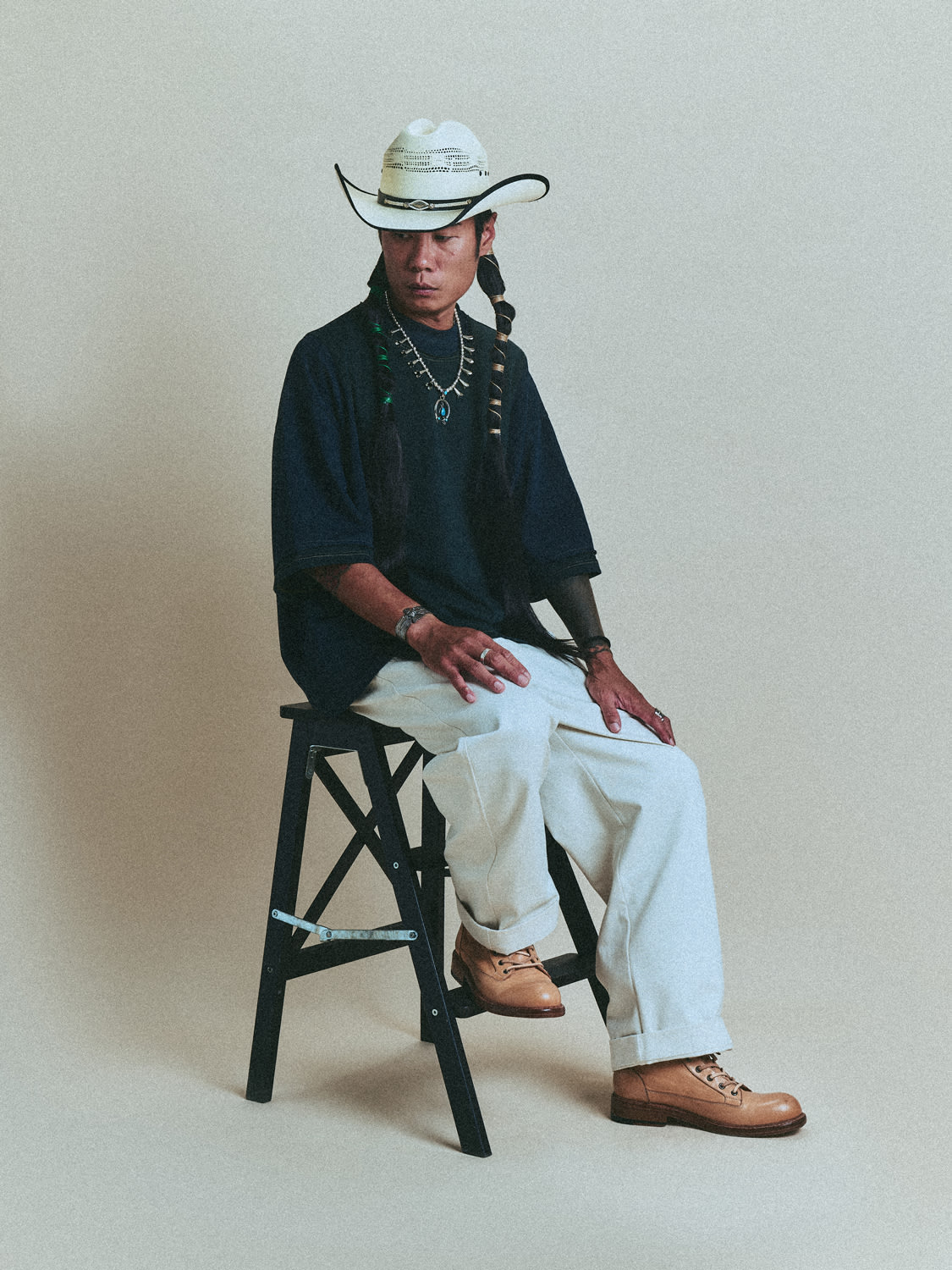
The noragi – literally meaning “field wear” in Japanese – originated as a durable work jacket worn by farmers and labourers in rural Japan. Tay’s versions retain the garment’s relaxed proportions and utilitarian roots while incorporating premium Japanese fabrics and heritage details such as sashiko stitching and pankou button closures. Some are crafted from indigo-dyed kasuri fabric, whose woven patterns soften and shift with years of wear.
Nothing illustrates that philosophy better than Chota House's reworked Levi's jackets.

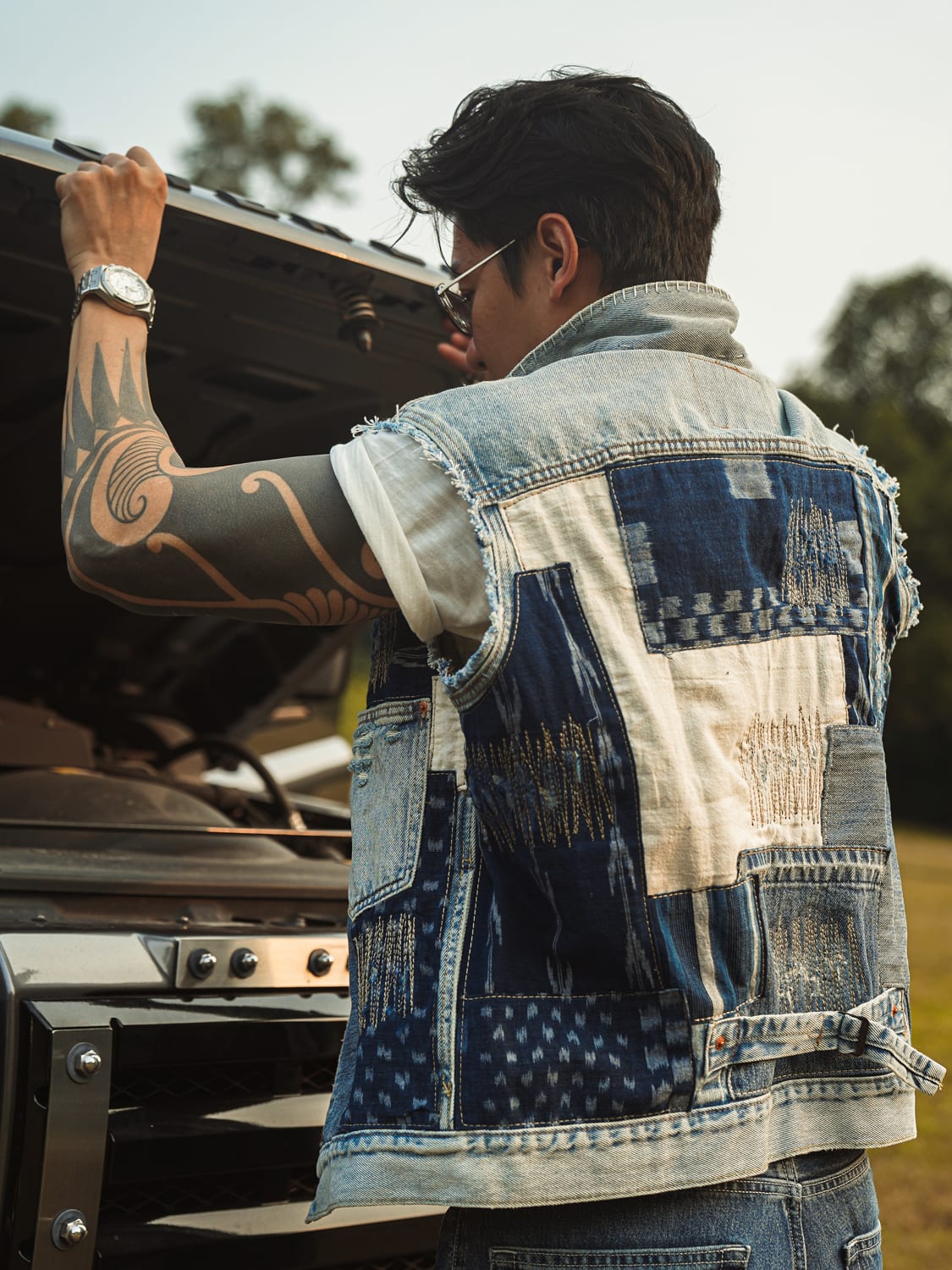
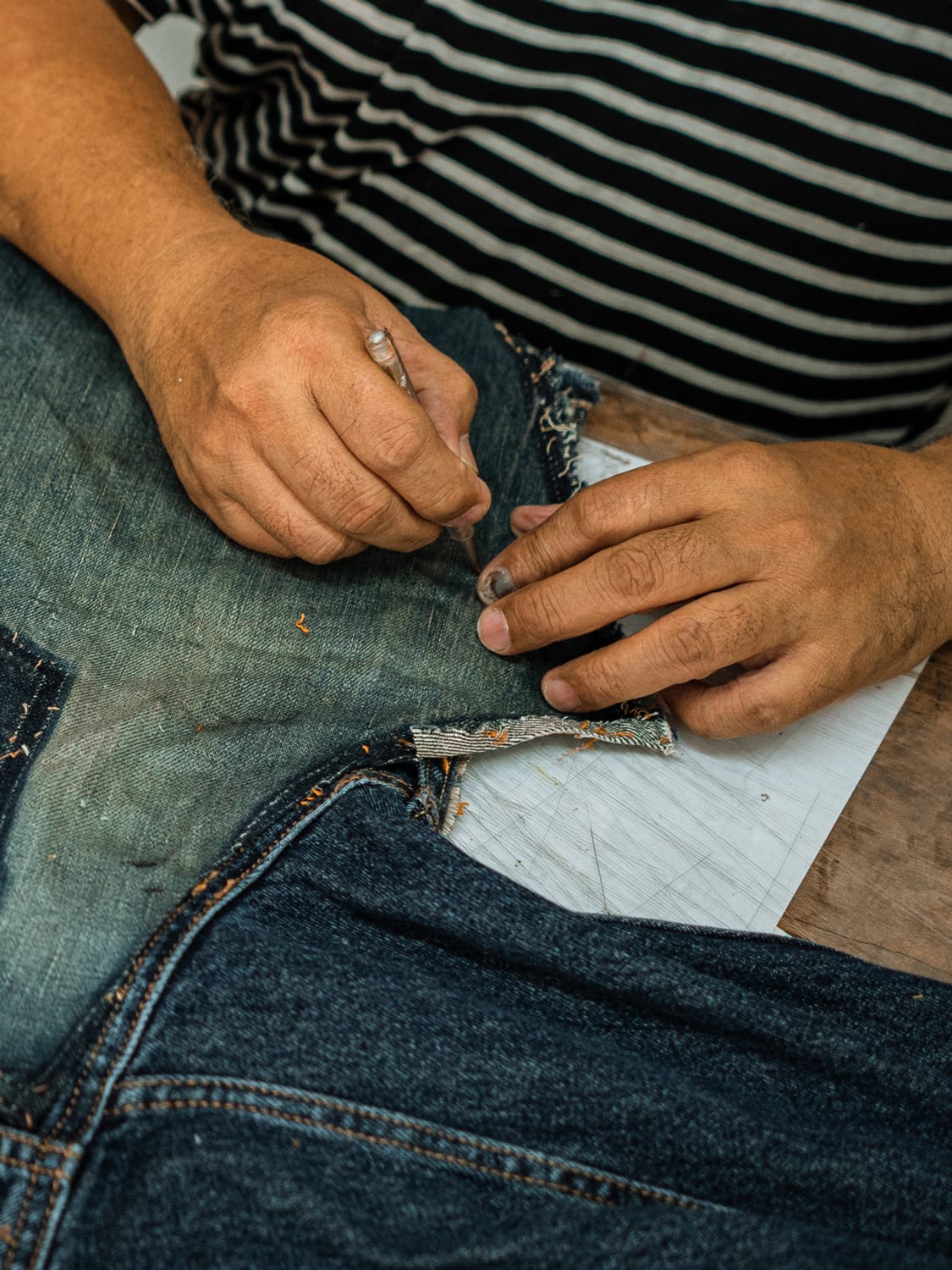
Each begins life as a brand-new denim jacket bought off the shelf. Tay's team painstakingly unpicks every seam by hand before laying the garment flat, inserting patchwork panels and reconstructing it from scratch – a process that takes more than a week for a single piece.
"You need to unstitch everything by hand, lay it flat, sew everything back together," Tay said. "You can't just put it through the machine, and you have to make sure the fit stays right."
UNIFORM PURPOSE
Tay’s appreciation for functional clothing has found an audience beyond Chota House’s own collections. Over the years, he has designed uniforms for local businesses, including Japanese-inspired cafe Waga Waga Den, barbershop Hounds of the Baskervilles and, most recently, Singtel.
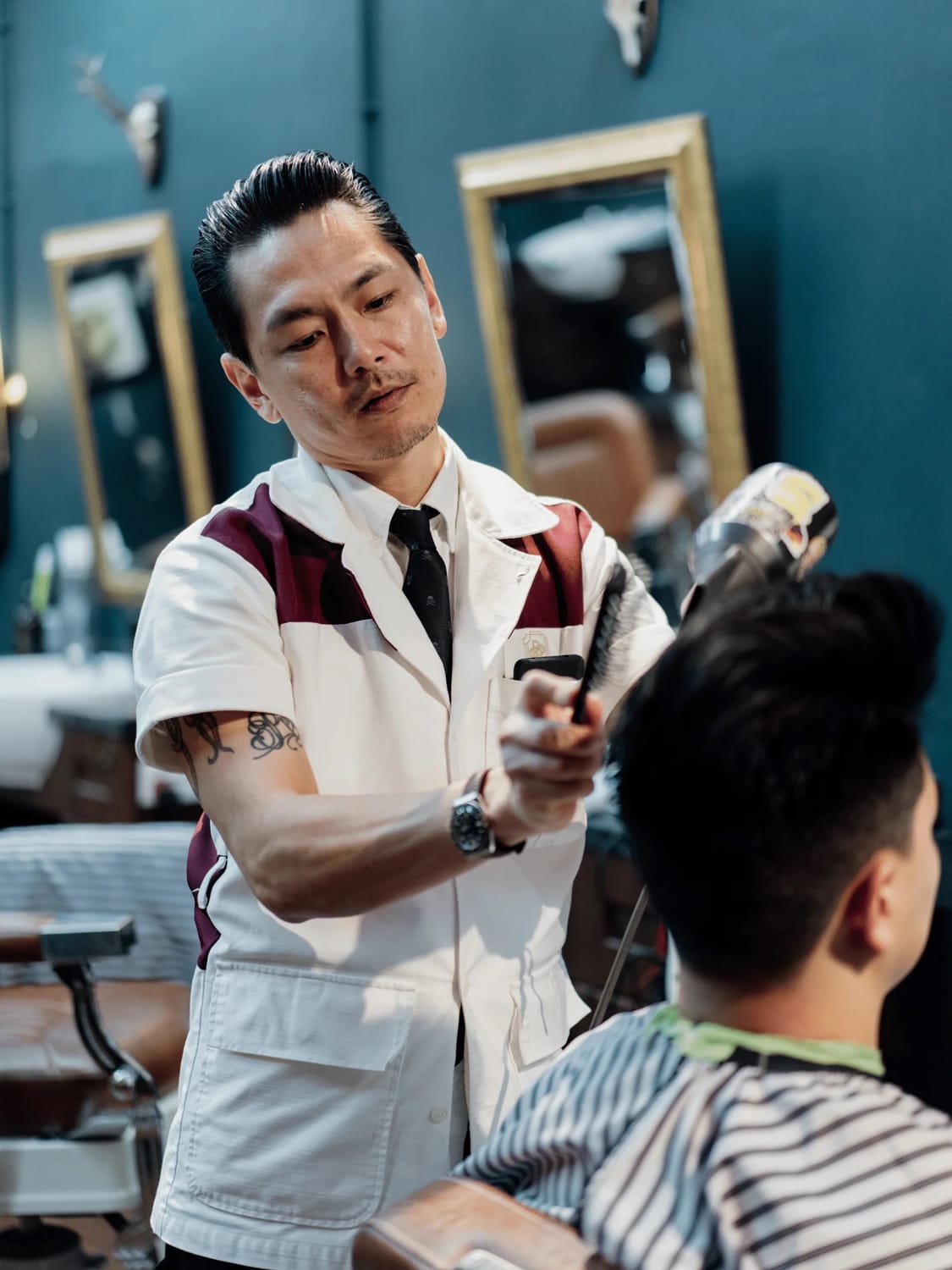
“For me, a great uniform is the perfect balance of function, comfort and identity,” he said. “It should make the wearer feel confident without compromising on everyday mobility.”
Designing for other brands, he added, has changed the way he thinks about clothing.
“It taught me that clothing isn’t just about aesthetic, cut and fit, but about telling a company’s unique story while meeting the rigorous demands of real-world daily wear.”
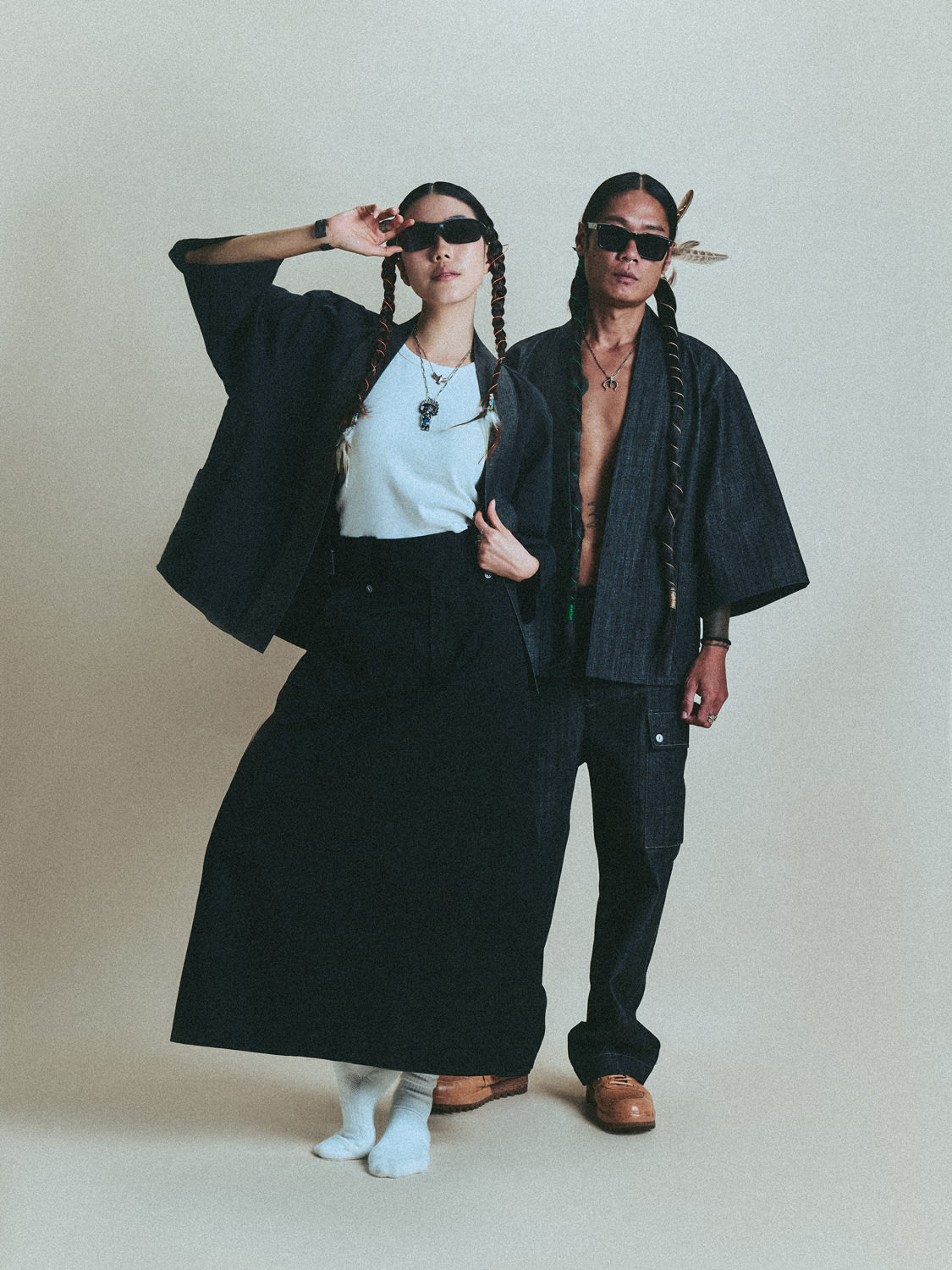
For Waga Waga Den, Tay designed olive-hued noragi jackets; the barber coats for Hounds of the Baskervilles, created with local label Youths in Balaclava, were made from hard-wearing cotton Cordura twill with contrasting maroon panels. His latest commission saw him reinterpret the classic chore jacket for Singtel. Chota House also collaborated with Goldheart last year, dressing models in its signature denim designs for the jewellery brand’s runway show.
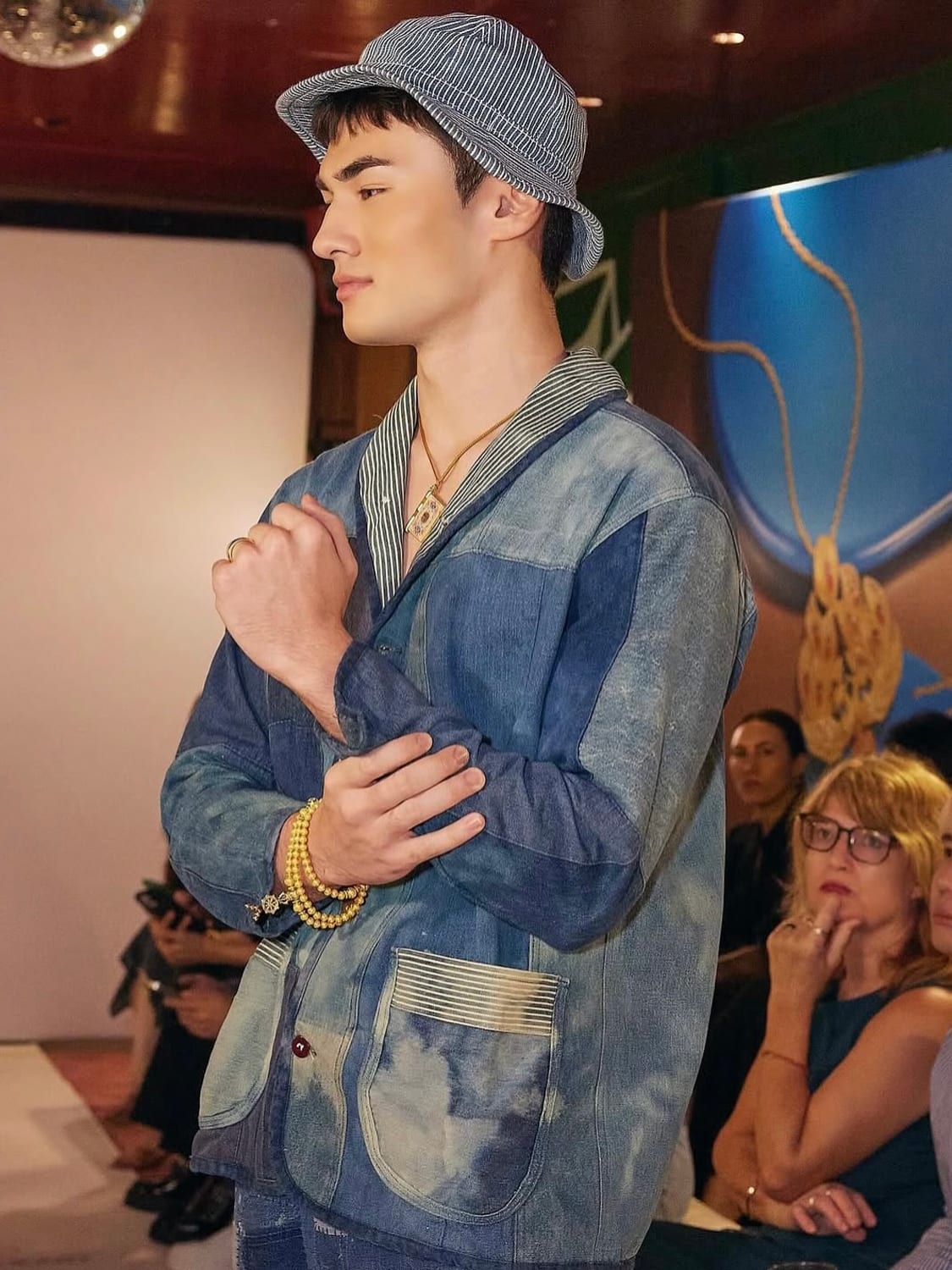
“Working with these local brands was both surprising and incredibly rewarding,” he said. “It forced us to think bigger. The trust they placed in a smaller local label meant the world to us.”
my goal is to present our collections in different countries and connect with more international audiences, while keeping our roots strong in Singapore.
A PIVOTAL PARIS SHOWCASE
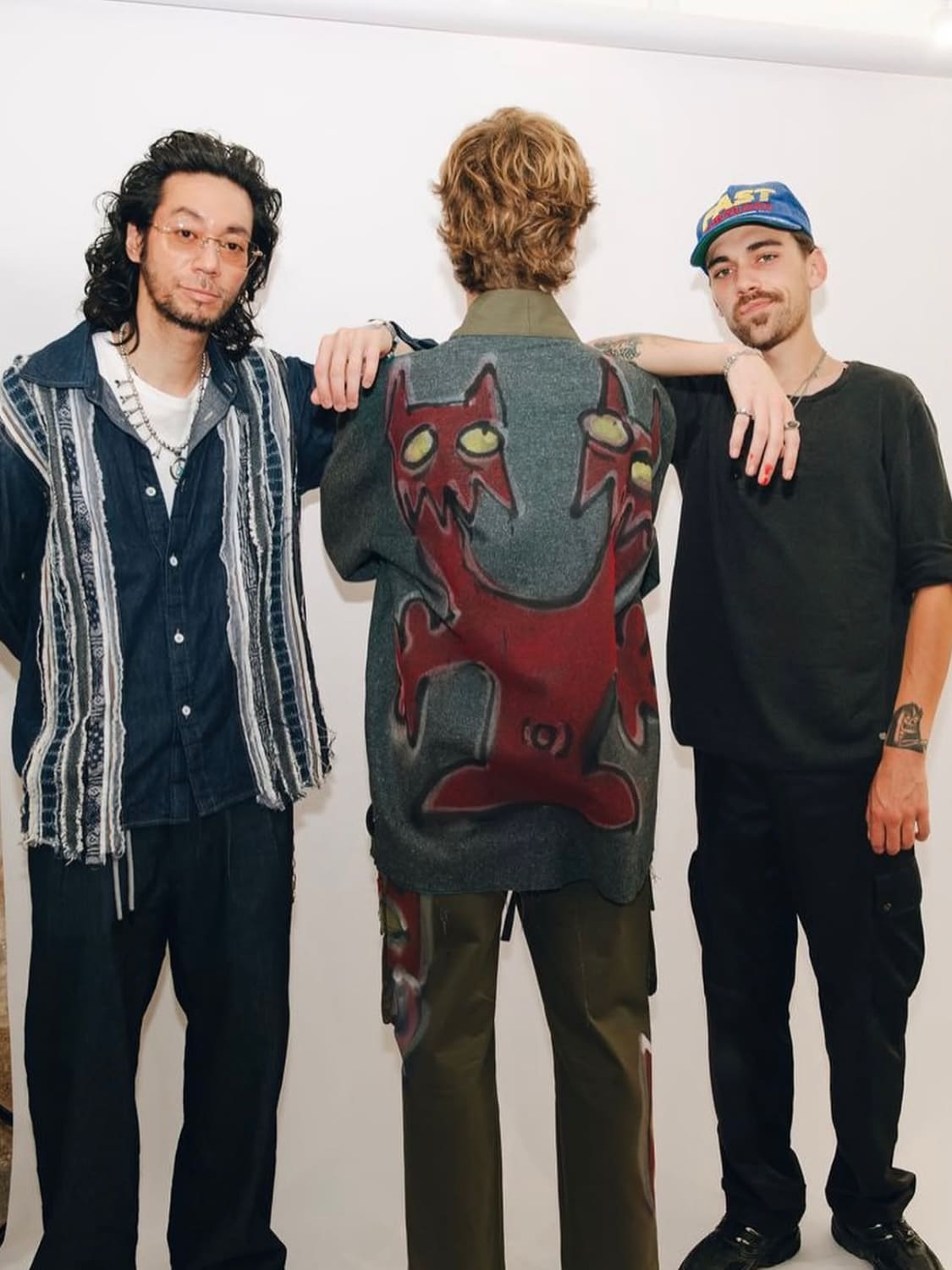
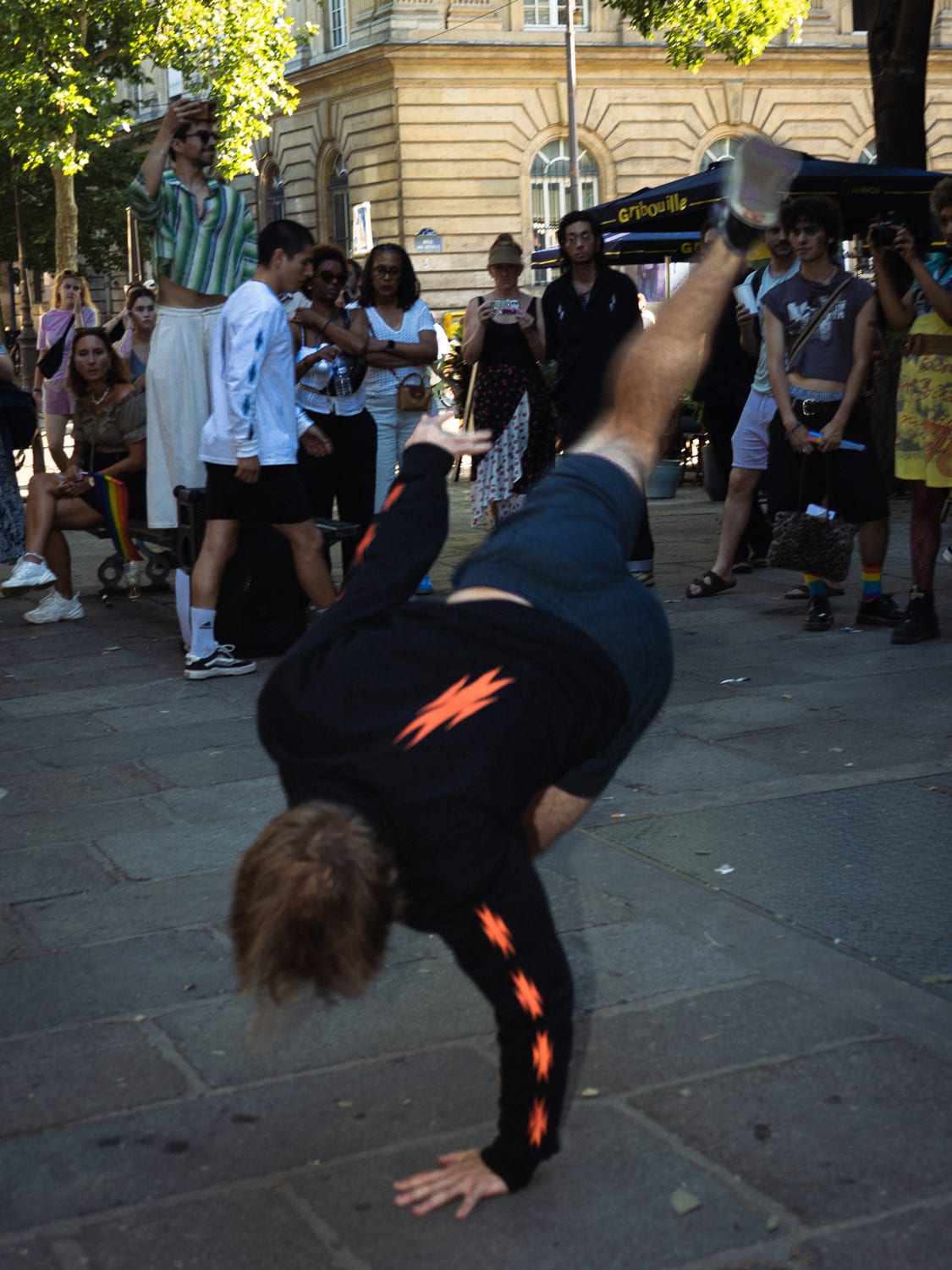
Last year marked a milestone for Tay, when Chota House was invited by Dors to present its collections in Paris as part of a showcase spotlighting Singapore designers during Fashion Week. Its garments took to the streets of Le Marais in a live presentation with French performance collective Tricking Paris, whose flips and acrobatics echoed the freedom of Tay’s workwear-inspired designs.
For the founder, who had spent more than a decade focused largely on the local market, it was a rare chance to see how his work resonated overseas.
“It opened my eyes,” he said. “My customers don’t really tell me how they see the brand. The French press and buyers were very open about sharing their feedback.”
More importantly, Tay realised that breaking into international markets is less about making an immediate sale than building familiarity over time.
“The buyers told me they might not buy from you the first or second time they see your brand,” he said. “But by the third time, when they become familiar with what you’re doing, they’re more willing to give you a chance.”
The experience reinforced the importance of visibility – something Tay admits he had underestimated after spending much of Chota House’s 17-year history focused on Singapore.
It also affirmed that there is an audience for the label beyond Singapore’s shores. Tay had hoped to return to Paris this year to build on the momentum – instead, the label was hit by one of its toughest years yet.
STAYING THE COURSE
Priced from S$100 for a T-shirt to several hundred for handcrafted outerwear, Chota House sits in an awkward space between mass-market labels and luxury fashion.
“I’ve had customers tell me my pricing and branding don’t match,” he said. “To them, it’s not worth it – they’d rather buy from a bigger brand.”
In other words, while customers may accept paying a few hundred dollars for a globally recognised label, they are often less willing to spend the same amount on an independent Singapore brand, regardless of the craftsmanship involved.
Coupled with rising costs and rent, sales have fallen by an estimated 20 to 40 per cent since the start of the year, as both tourists and locals tightened their spending.
“There was a dark moment where we seriously questioned if we could go on,” Tay admitted.
In a moment of candour, Chota House shared on social media that it was considering closing. The response, he said, was overwhelming.
“Our inbox flooded with DMs, and for an entire month, the shop was packed,” he recalled. “Old regulars, friends and even complete strangers who saw the post came in every single day to buy something or just give us words of encouragement."
The outpouring of support transformed what Tay had expected to be one of the label’s darkest chapters into one of its most memorable.
“Seeing everyone show up for us reminded me why we started,” he said. “The incredible support we received proved that Chota House isn’t just my dream anymore.”
Rather than changing the clothes he makes, Tay believes the next chapter lies in telling stories better.
“I hope to stay true to our craft while gradually expanding our reach,” he said. “Building on our Paris showcase, my goal is to present our collections in different countries and connect with more international audiences, while keeping our roots strong in Singapore.”