From a heartland shop to 82 stores: How Iora became one of Singapore’s most enduring fashion businesses
Built on restraint rather than noise, this 28-year-old local fashion group reveals how discipline, customer insight and the launch of a new label are shaping its next chapter.
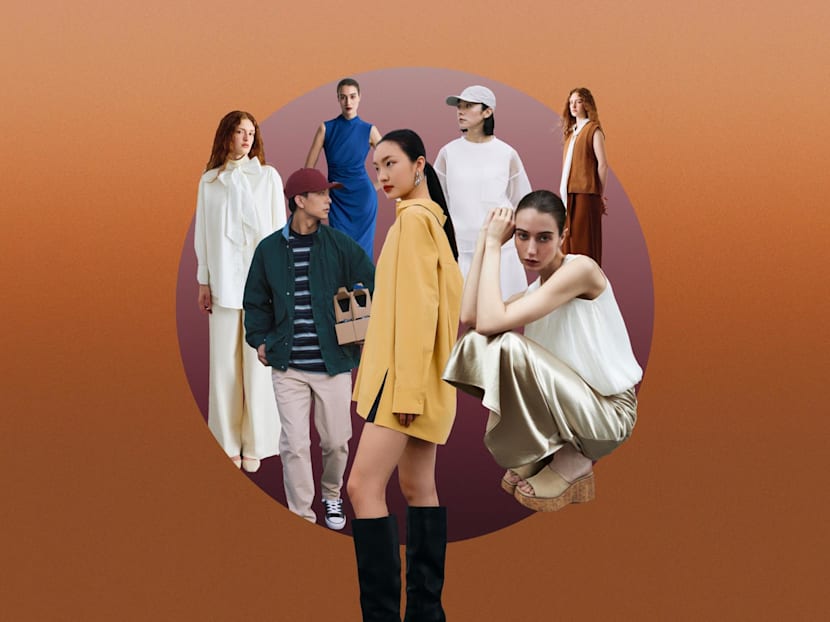
(Art: Jasper Loh, photos: Iora Group)

This audio is generated by an AI tool.


If you’ve shopped in Singapore long enough, chances are you’ve walked past an Iora store and noticed the neat racks, neutral colours, reliable silhouettes that quietly do their job.
That sensibility didn’t come from trend forecasting decks or viral marketing playbooks. It began in the late 1990s at a small boutique in White Sands, a shopping mall in Pasir Ris, where Ng Leng San was learning fashion the unglamorous way: By watching what people actually wore.
“From the beginning, we took a more grounded approach,” said Ng, now 56 and CEO of Iora Group – the fiercely private Ng requested that no photo of himself be included in the story. “We focused on understanding our customers deeply – what they actually wore, what fit their lives, and what they were willing to pay for over time.”
Through the late 1990s and early 2000s, Singapore’s fashion landscape was littered with corpses of local labels that had bet big on trends, overextended on rent, or simply misread what Singaporean women wanted from their wardrobes. Few lasted long enough to leave a mark.
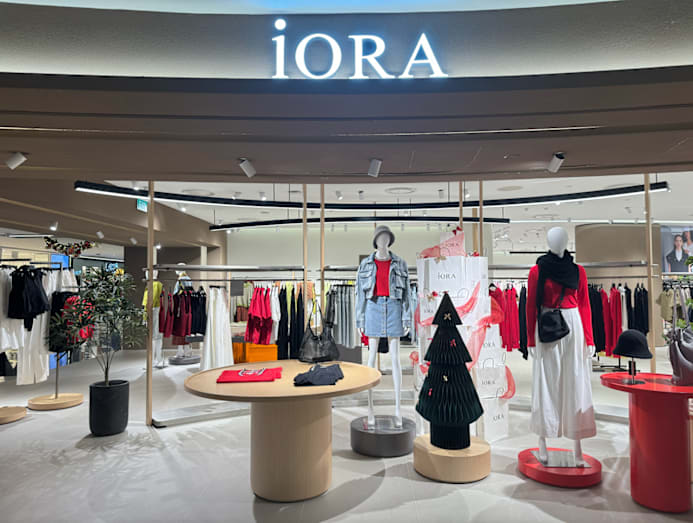
Iora did more than survive. Co-founded in 1998 by Ng and his wife, Alice Loh, alongside another partner who is no longer with the company, the business has since grown into a multi-brand fashion group with 82 stores across Singapore and Malaysia, spanning womenswear, menswear and kidswear. It is one of the rare homegrown fashion companies to have sustained nearly three decades of steady growth – largely without fanfare, celebrity endorsements or splashy reinventions.
We focused on understanding our customers deeply – what they actually wore, what fit their lives, and what they were willing to pay for over time.
THE DISCIPLINE OF LONGEVITY
Survival, in Ng’s experience, came through discipline rather than daring.
“We were very disciplined about fundamentals: Product quality, fit, consistency and cash flow,” he said. “We didn’t overextend ourselves, and we reinvested carefully.”
Instead of chasing trends or explosive growth, the business stayed close to its core customer, refining its offering incrementally. “Most importantly, we treated fashion as a long-term business, not a quick win,” Ng said. “That mindset – steady, patient and customer-led – helped us weather cycles that many others couldn’t.”
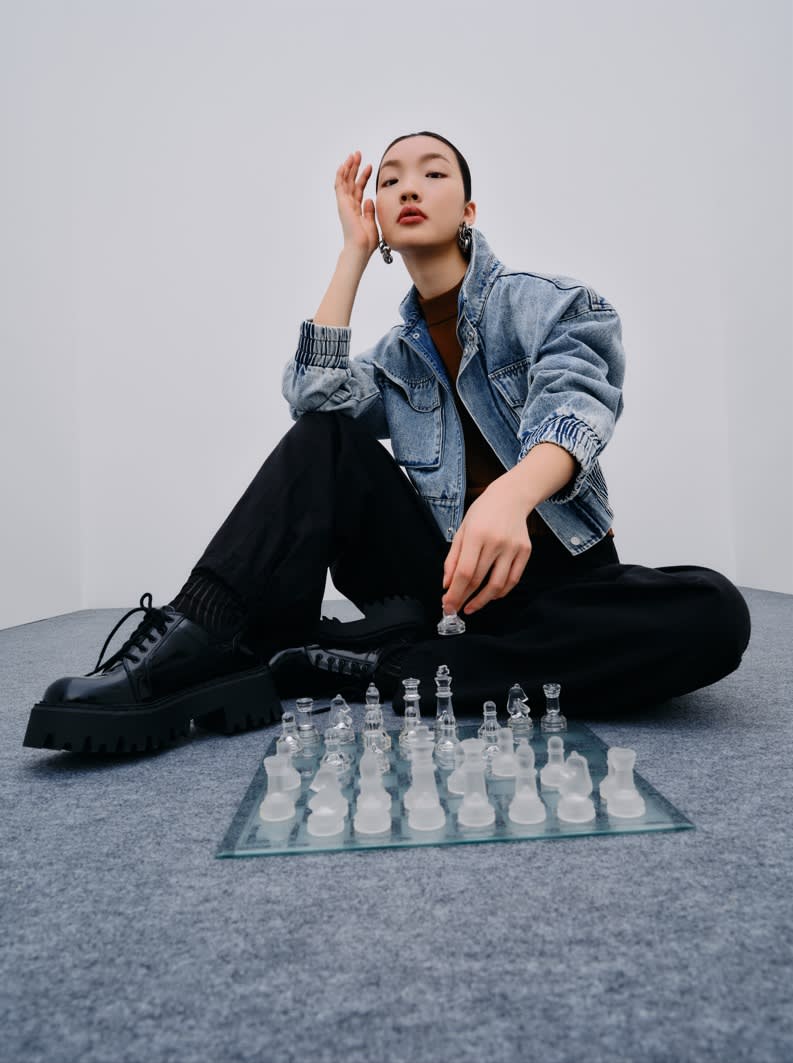
It’s an approach that runs counter to fashion’s usual mythology of visionary risk-takers and dramatic pivots. But it has yielded a portfolio built on pragmatism: Iora, the flagship womenswear line launched in 1998, anchored by clean silhouettes and versatile workwear; Trt, a multi-category lifestyle brand that began in 2020; Sans & Sans, introduced in 2013 for understated essentials; and Monoloq, introduced in 2023 as the group’s most design-forward expression.
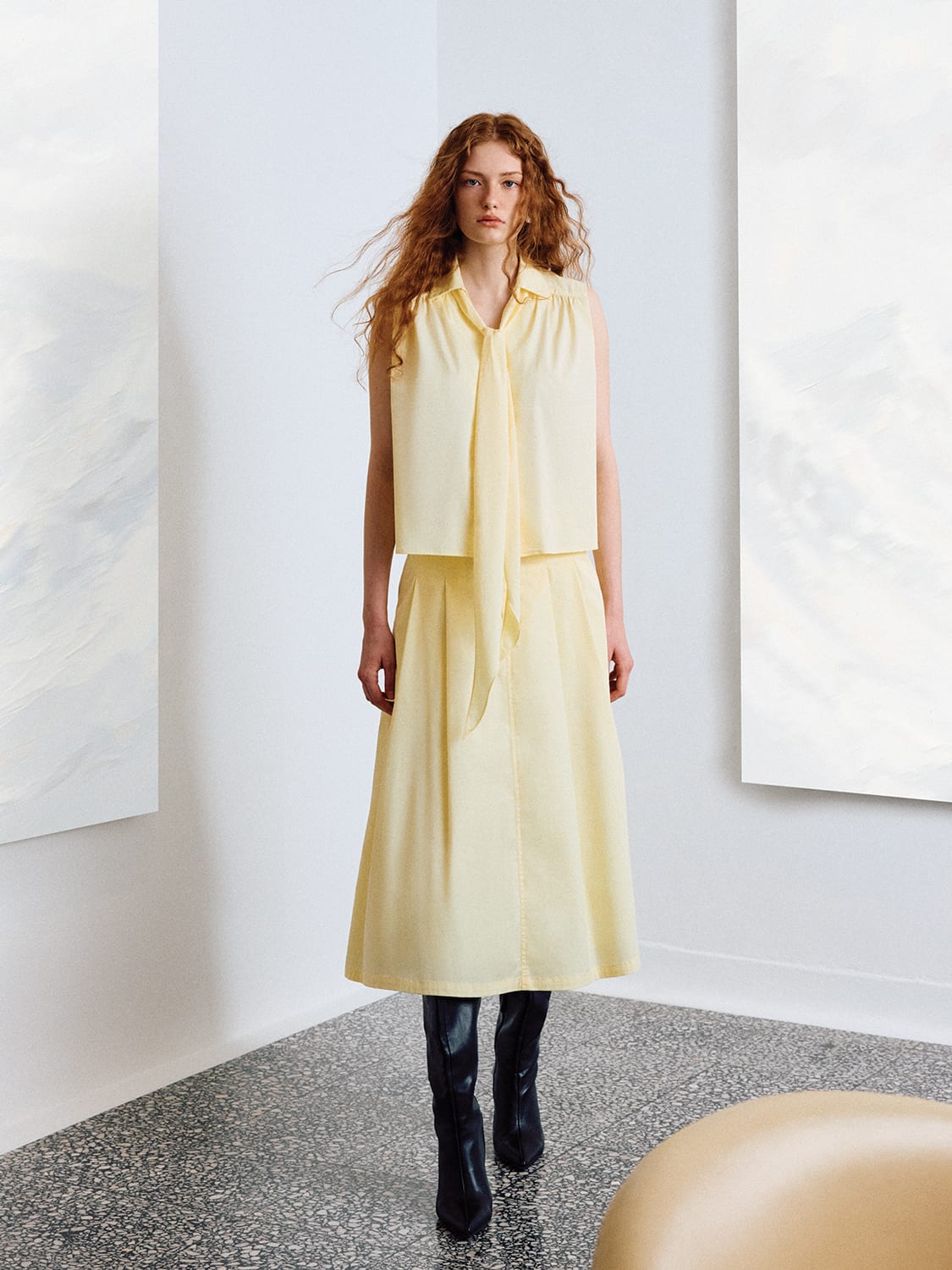
Together, the brands form what Ng calls “a cohesive ecosystem” rooted in accessibility, comfort, and thoughtful construction – values that have remained unchanged even as fashion cycles accelerated.
SURVIVING THE SHIFTS
Longevity hasn’t come without strain. Ng describes the most difficult moments not as single crises, but periods of structural upheaval.
“One such moment was when retail began changing rapidly – rising costs, evolving mall dynamics, and later, the acceleration of digital and online expectations,” he said. “These weren’t challenges you could solve with a single decision.”
Rather than panic or pivot dramatically, Ng doubled down on observation. “We stayed close to the ground. Spending time in stores, listening to staff, watching customers, and resisting the urge to panic.”
Over time, he learned that survival came from consistency. “Difficult periods are not solved by dramatic moves,” he said, “but by making a series of small, disciplined decisions consistently.” Calmness, humility and persistence, he added, mattered more than confidence.
A NEW CHAPTER, A NEW AUDIENCE
For most of its history, Iora Group has remained largely under the radar.
“We were never focused on being loud. We were focused on being reliable,” he said.
Yet as the group neared its third decade, something shifted. In 2023, Iora Group launched Monoloq, its most design-forward brand yet, and in doing so, signalled an ambition to reach beyond its traditional customer base.
We were never focused on being loud. We were focused on being reliable.
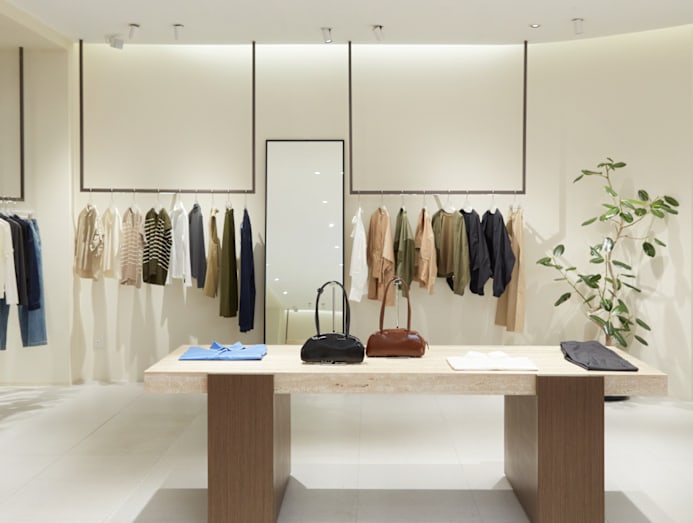
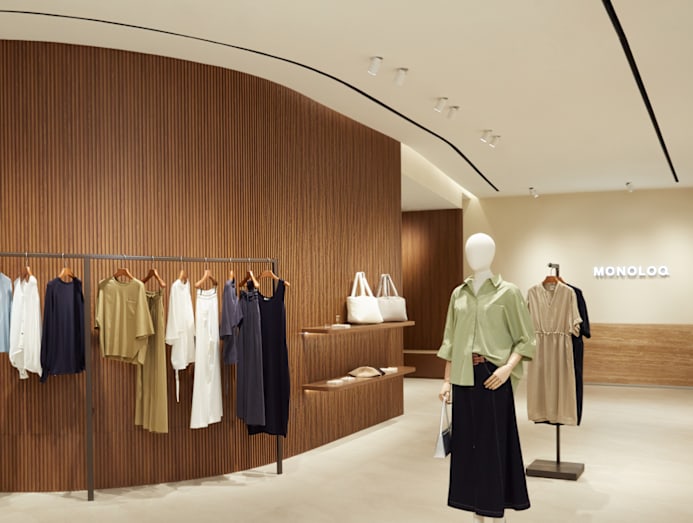
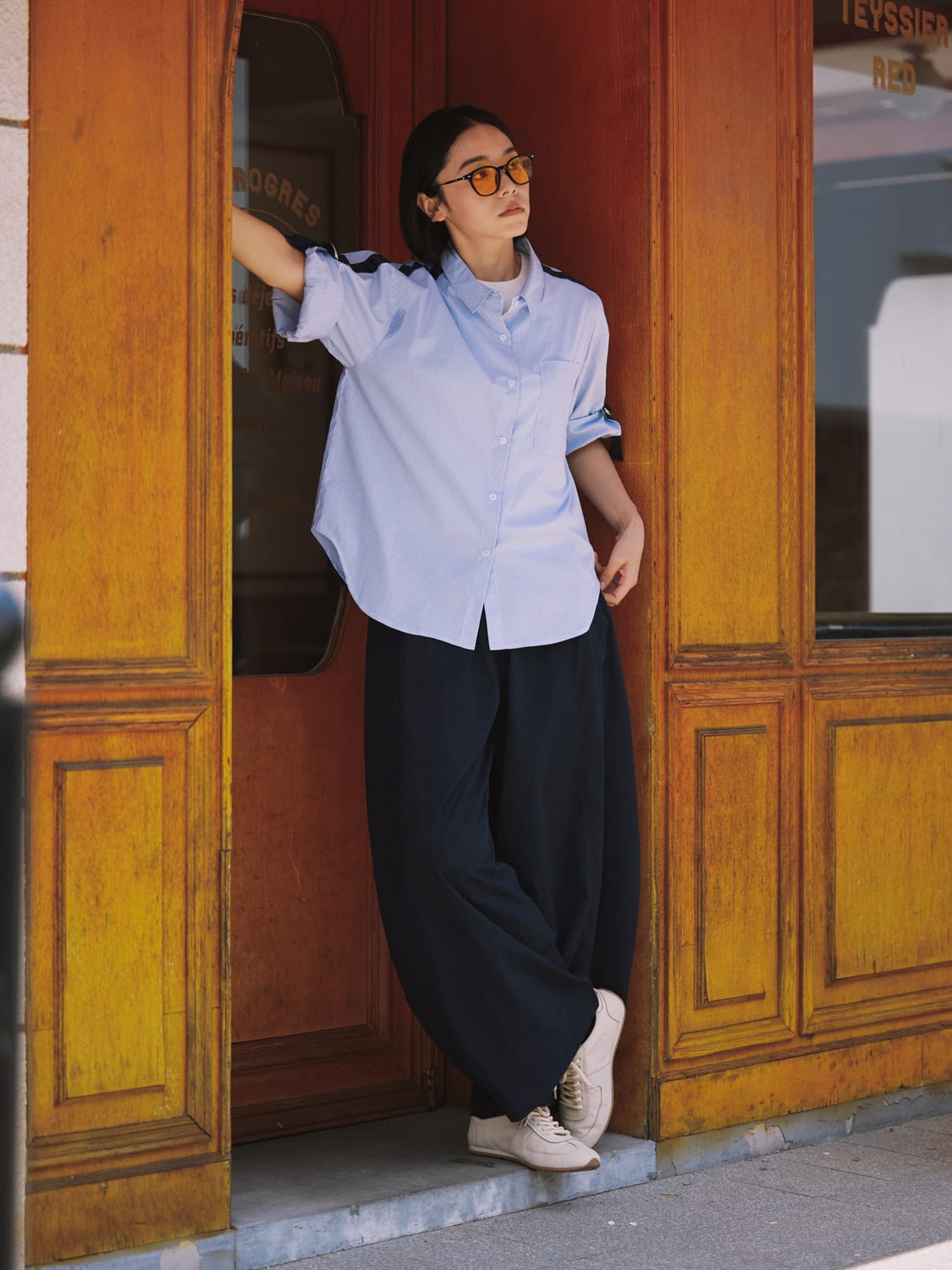
Monoloq feels different the moment you walk in. Where Iora stores resemble a well-organised wardrobe, Monoloq boutiques lean gallery-like. The palette remains muted, but the silhouettes are more sculptural: A simple blouse cut with exaggerated sleeves, a dress with an unexpected drape. The details – a seam placement, a neckline –are subtle but intentional.
It’s aimed at a more design-conscious audience: Professionals who appreciate architectural cuts but balk at paying S$400 for a shirt. Comparisons to brands like Cos and In Good Company are inevitable, but Monoloq’s price points remain accessible, with most pieces falling between S$50 and S$200.
“Monoloq allows us to reach a new generation of customers,” Ng said. “It’s our most design-driven brand.”
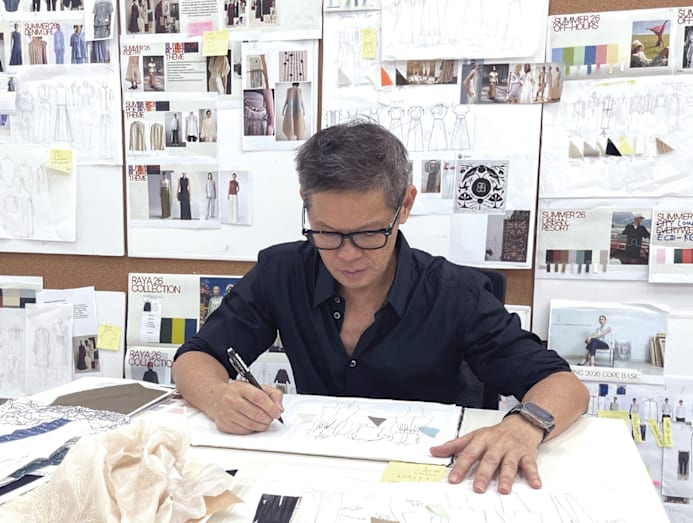
To realise that vision, Ng made a notable hire: Wykidd Song, co-founder of cult minimalist label Song+Kelly, joined as Monoloq’s creative director in 2024.
THE RETURN OF A SINGAPORE DESIGN ICON
Song’s return to fashion followed several years away from the industry, spent on select corporate projects and researching his maternal grandfather’s journey from China to Singapore.
The deep dive into family history became an unexpected creative reset. “It reminds me why heritage and storytelling matter not just in life, but in design too,” said the 60-year-old designer.
His first encounter with Monoloq was accidental. Passing its Wisma Atria store in late 2023, Song assumed it was an international brand. “The space felt calm and the clothes had this clean, modern look,” he recalled. “I remember thinking it must be a big brand from Taipei – and the prices were surprisingly accessible.”
That restraint appealed to him, especially in a fashion climate he describes as fatigued. "Too much noise, too little soul," he said. "When trends are driven by algorithms and celebrity culture, real design gets lost.”
For Ng, Song represented rare alignment. “He understands design deeply, but he also understands real women – their lifestyles, their needs, the subtleties of how they dress.”
What surprised Ng most was Song’s discipline. “People often focus on creativity, but what impressed me is how rigorous he is about cut, proportion and construction. He brings a sense of refinement that elevates every detail.”
MINIMALISM WITH A PULSE
Song is characteristically circumspect about specifics. “I won’t get into details at this time,” he said. But his direction is clear: “Pushing what the brand has started with and adding more layers to it”.
“It’s like blending Euro-cool elegance with delicate Asian details and nuances,” he said. “Always with an eye on what’s trending.”
Crucially, sculptural does not mean unwearable. “Sculptural and restrained design doesn’t mean distant or impractical,” Song said. “It’s about balancing precision with ease, structure with softness.”
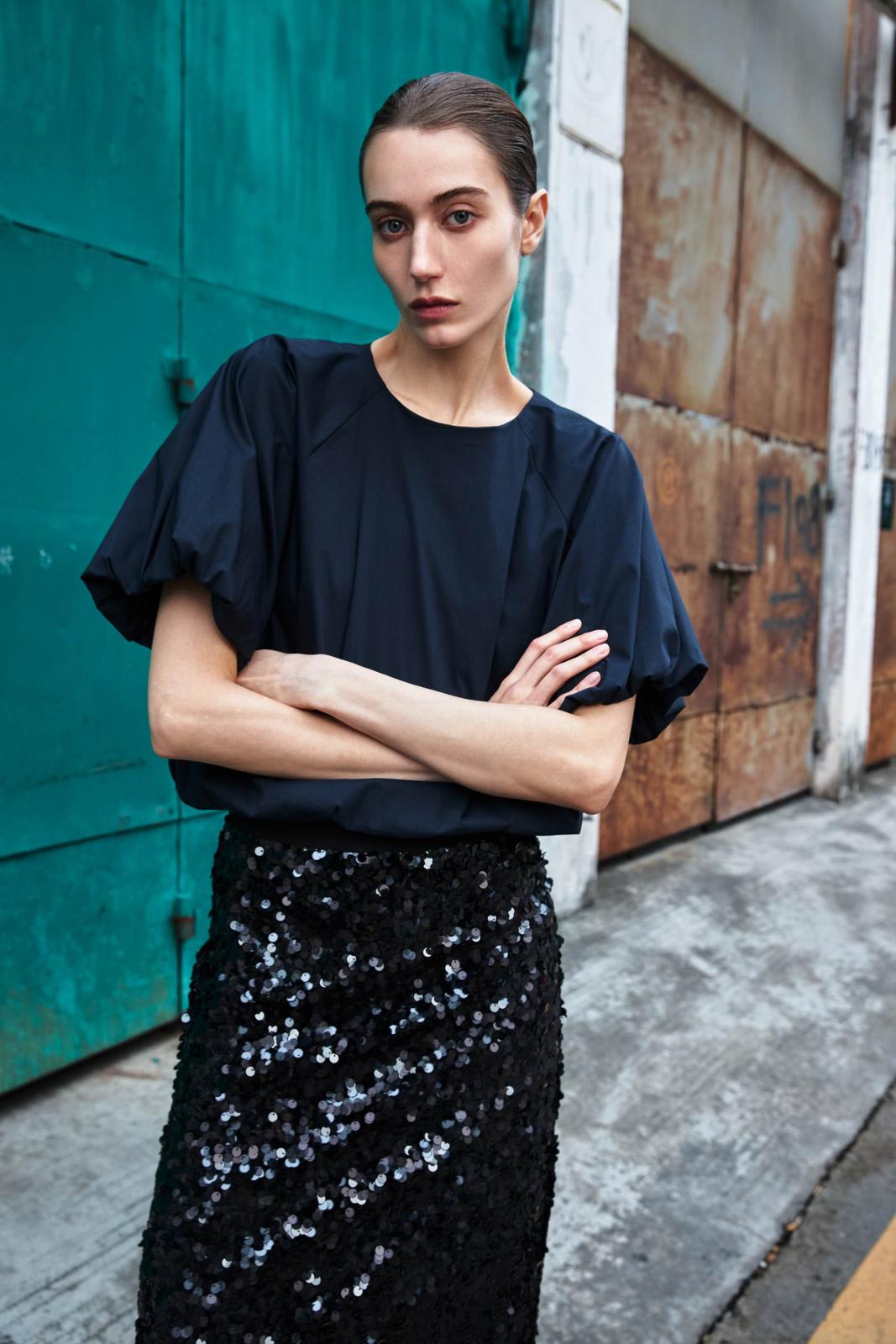
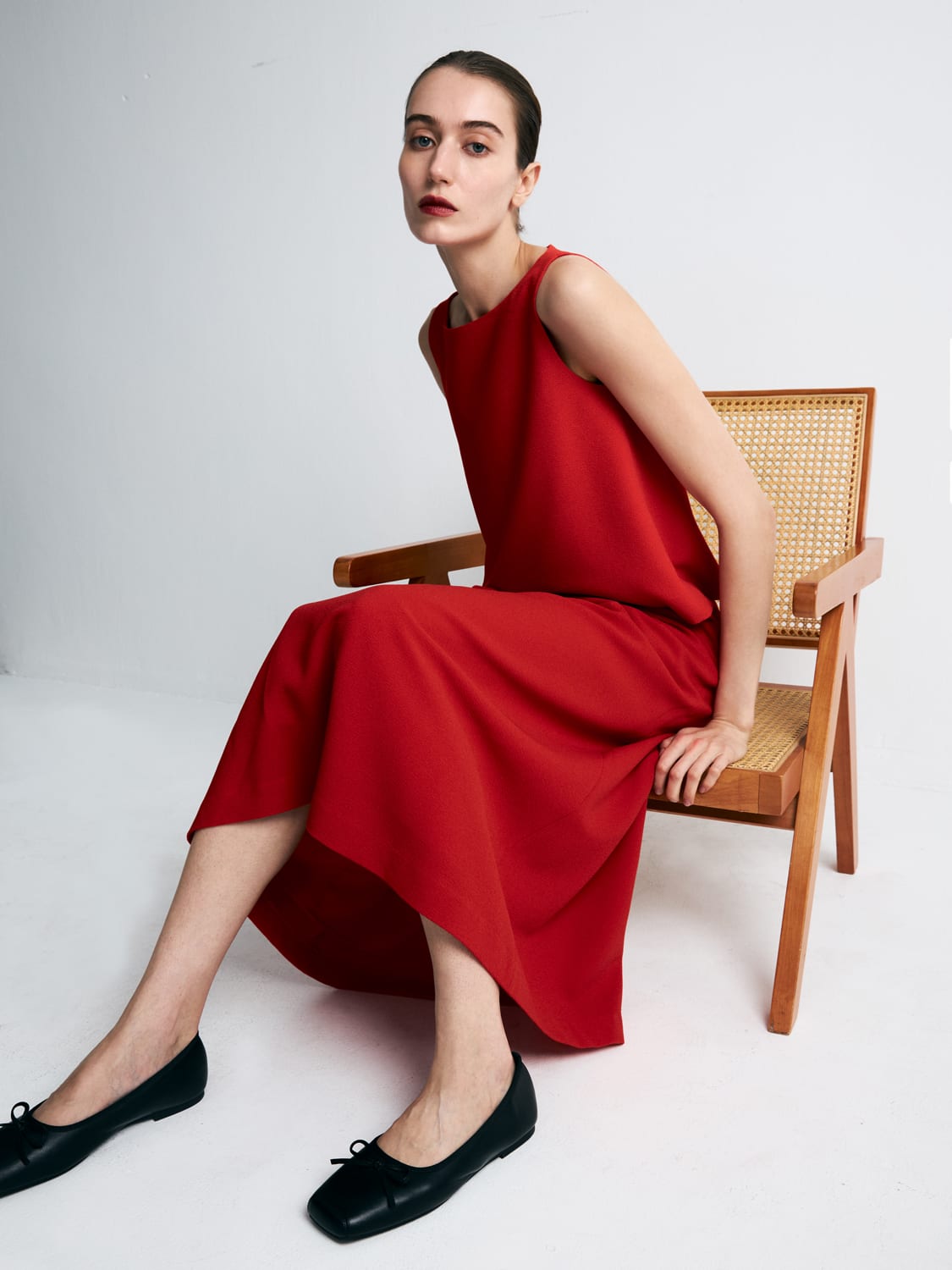
That philosophy is evident in Monoloq’s upcoming Chinese New Year collection, which offers a pared-back alternative to festive maximalism. Instead of overt symbolism, the focus is on form, texture and craft: Layered viscose-crepe separates, a jacquard mandarin-collar shift in rich crimson, and a modern cheongsam-inspired silhouette rendered in side-gathered knit jersey. These are pieces designed to outlast the season.
BEYOND SINGAPORE
While Iora Group is rooted in Singapore, Malaysia has become a crucial second market. The group now operates 37 stores there across its various labels – a presence built gradually, store by store, over years.
That scale has allowed the company to move beyond replication and toward nuance. “Malaysian shoppers appreciate design-forward pieces, especially those with versatility and structure,” he said. “Their feedback helps us refine fit, fabric selection and styling options across markets.”
Growth, Ng stresses, happens only when it makes sense. New stores open when opportunity aligns with brand positioning – a philosophy that mirrors the group’s broader refusal to chase scale at the expense of substance.
WHAT SUCCESS LOOKS LIKE NOW
After nearly three decades, Ng’s definition of success has evolved. It’s no longer about how many stores the company can open or how fast revenue can grow.
“It’s about building a business that can continue without depending on any single person, including myself,” he said. “Creating brands with clear identities, teams with confidence, and systems that allow for thoughtful growth.”
What makes him proud isn't the number of stores, but their longevity. “Seeing team members grow with the business over many years, watching customers return across different stages of their lives – that matters deeply to me.”
As one of the few Singaporean fashion companies to have sustained this trajectory, Ng feels a certain responsibility to prove what’s possible. “I hope younger Singaporeans see Iora Group as proof that you can build something enduring from Singapore,” he said. “Not everything needs to be fast, viral or global from day one.”
Longevity, in his view, comes from “craft, discipline and respect – for customers, for people, and for the work itself”.
It’s a quieter form of ambition, perhaps, but one that has carried the company from a small heartland shop to a regional fashion group. Not the story fashion usually celebrates, but one that feels increasingly worth telling.