What makes a good ballet flat? This Japanese brand brings Asakusa artisan-made shoes to Singapore
Kurun Tokyo opens its first overseas retail store at Takashimaya. The brand introduces handcrafted ballet flats designed for comfort and fit.
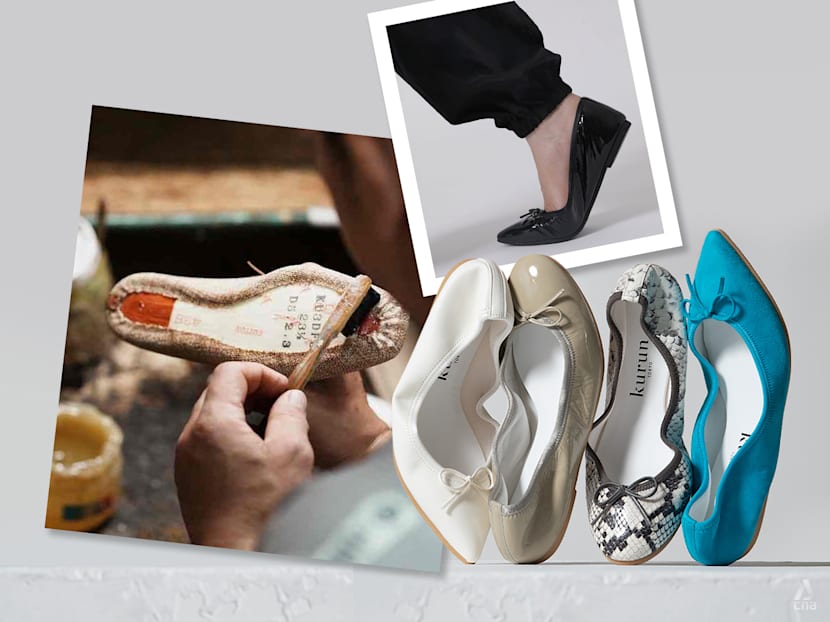
Known for its handcrafted ballet flats, Japanese footwear brand Kurun Tokyo focuses on combining elegance with sneaker-like comfort. (Photos: Kurun Tokyo; Art: CNA/Chern Ling)

This audio is generated by an AI tool.
The deceptively simple ballet flat is widely regarded as one of the most technically challenging shoes to design. Its minimalist structure leaves little room to conceal support features, while its streamlined silhouette demands impeccable pattern-making to ensure both comfort and elegance.
“Ballet flats require extremely delicate design and construction. If even one element is compromised, the balance between comfort and aesthetics can easily be lost,” said Takahiro Yamashita, director of Japanese footwear brand Kurun Tokyo.
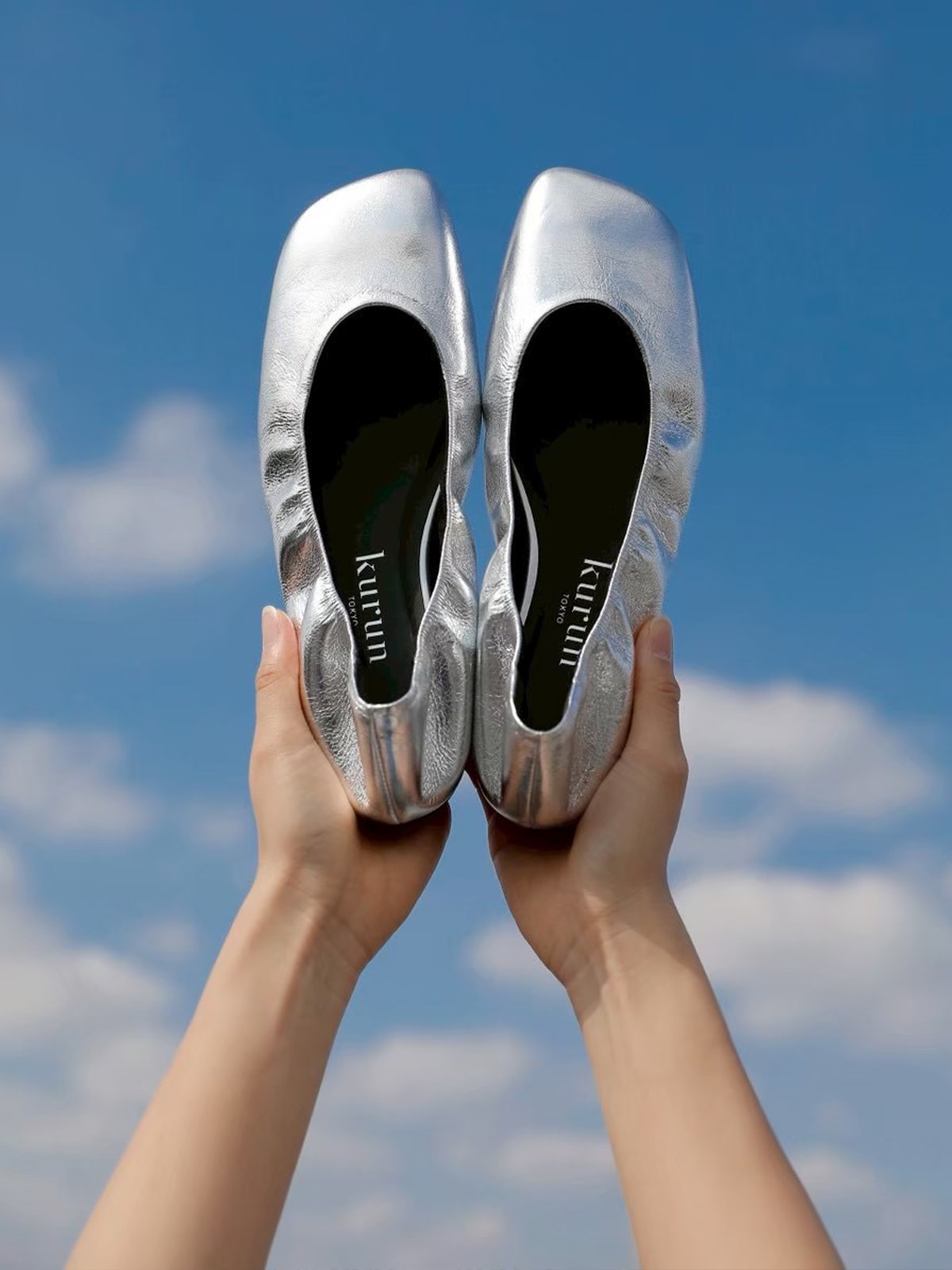
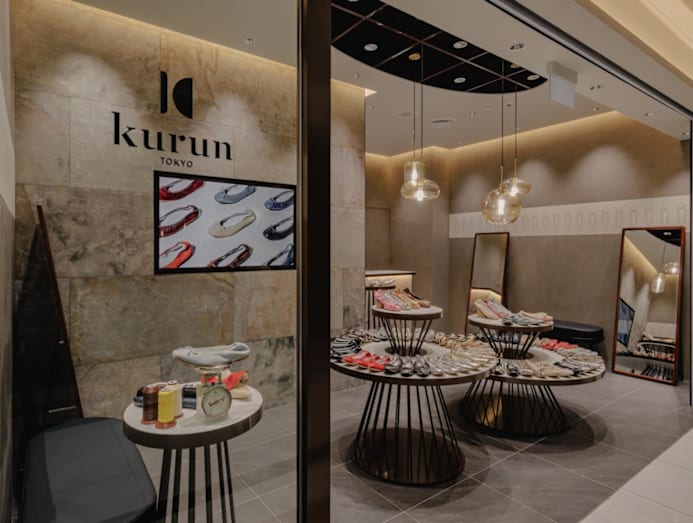
The brand opened shop in April at Takashimaya in Singapore, its first overseas offshoot.
“One of the most important aspects is the balance between the shoe last and the cutting pattern. This determines the fit, silhouette and ease of movement,” he added.
Founded in 2019, Kurun Tokyo has steadily built a reputation for handcrafted ballet flats that combine style and comfort. Rather than expanding into a broad footwear label, the brand chose to specialise.
“We believe there is growing value in focusing on a single category and becoming truly exceptional within that field,” Yamashita said.
We wanted to address common frustrations such as discomfort, poor breathability and limited fashion appeal, while delivering comfort comparable to sneakers.
That focus taps into the enduring appeal of ballet flats, which remain a wardrobe staple despite changing fashion trends thanks to their versatility and ease of wear.
“While ballet flats have long been timeless, few brands successfully balance fashion, comfort and functionality at a high level,” Yamashita noted. “We wanted to address common frustrations such as discomfort, poor breathability and limited fashion appeal, while delivering comfort comparable to sneakers.”
The brand’s growing following suggests the formula is working. After a pop-up in Singapore three years ago, Kurun Tokyo observed rising interest in its shoes here and has now opened its only permanent overseas retail point at Takashimaya Shopping Centre, outside its flagship store in Kobe.
COMFORT COMES FIRST
Kurun Tokyo’s shoes are handcrafted by experienced artisans in Tokyo’s Asakusa district, long known for its shoemaking heritage.
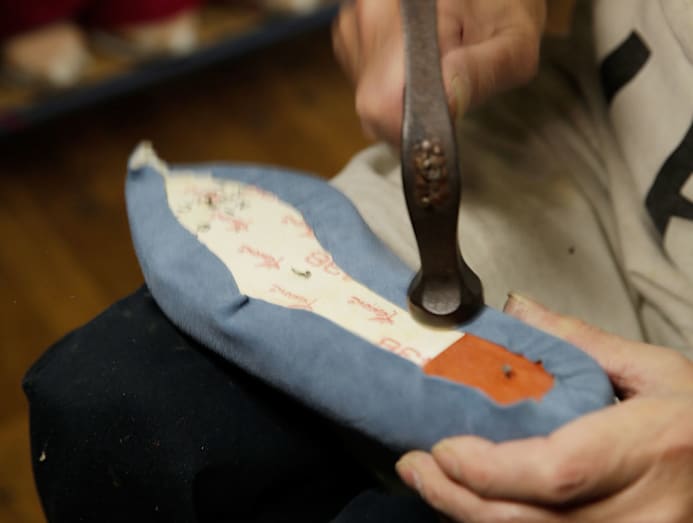
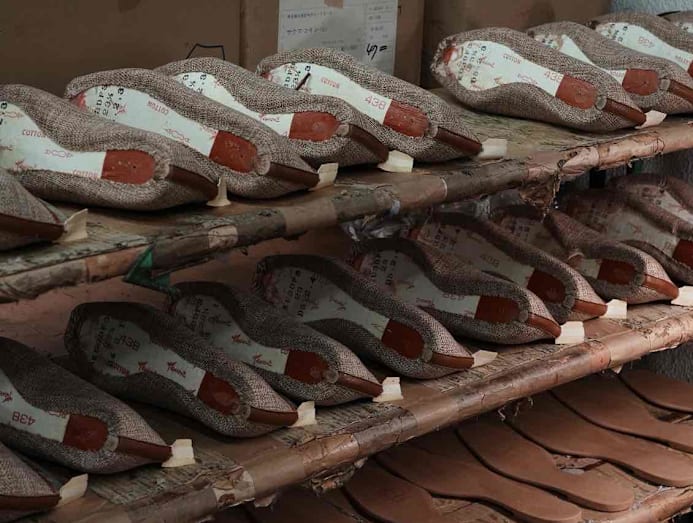
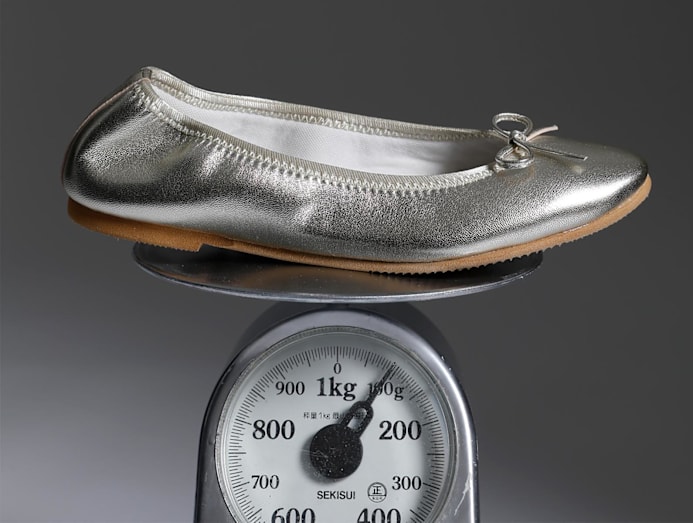
Yamashita attributes the comfort of the shoes to the expertise of these craftsmen. “Each pair is carefully assembled by hand, with artisans adjusting the construction according to the unique characteristics of every piece of leather,” he said.
A signature feature is the elasticised back that hugs the heel for a more customised fit. While common in ballet flats, this detail can often cause discomfort if poorly executed.
Each pair is carefully assembled by hand, with artisans adjusting the construction according to the unique characteristics of every piece of leather.
At Kurun Tokyo, the elastic tension is adjusted according to the material used for the upper, ensuring a secure yet natural fit.
The shoes also incorporate cushioning of varying thicknesses in key pressure areas to distribute weight evenly and reduce strain. The brand’s original outsole is designed to absorb impact and minimise pressure on the soles.
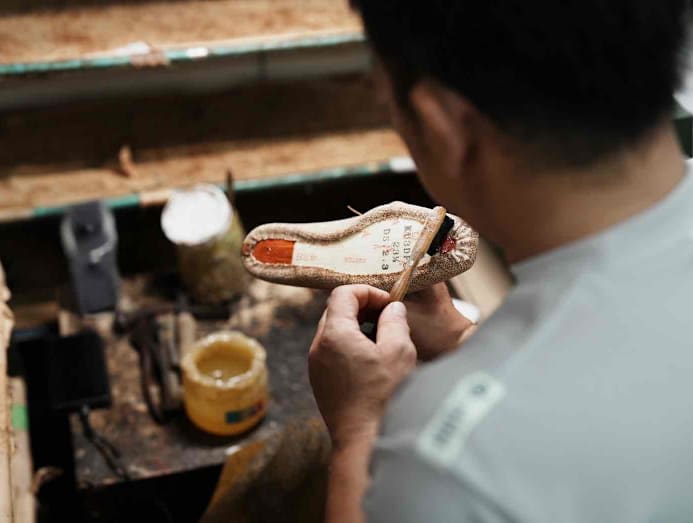
“By combining traditional craftsmanship with modern technology, we are able to create shoes that remain comfortable even after extended wear,” Yamashita said.
CRAFTED WITH THOUGHT
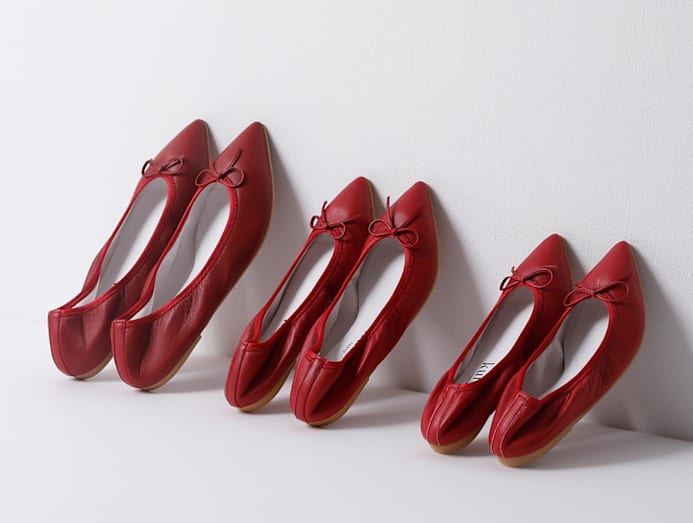
Unlike mass-produced footwear prioritising speed and efficiency, Kurun Tokyo’s shoes are made with comfort and quality as the priority. Each artisan completes only about 20 pairs a day.
“The value of handmade shoes lies in the shoemaker’s ability to respond to the individuality of each material while delivering meticulous craftsmanship down to the smallest details,” Yamashita said.
The brand also places emphasis on sustainability. It uses leather sourced as a by-product of the meat industry and works with Leather Working Group-certified tanneries, which meet international environmental standards.
We believe creating shoes designed to be worn and loved for many years is itself an environmentally conscious approach.
Details beyond fit are also carefully considered. The insoles, midsoles and lining use Japanese antibacterial, deodorising, moisture-absorbing and quick-drying materials. The shoes are also treated with a water-repellent finish – a practical feature for Singapore’s weather.
“We believe creating shoes designed to be worn and loved for many years is itself an environmentally conscious approach,” Yamashita said. “Rather than pursuing short-lived trends, we focus on timeless design, premium materials and thoughtful craftsmanship.”
Kurun Tokyo’s shoes retail from about S$200 to over S$300 – a price point likely to appeal to those who appreciate handmade craftsmanship and comfort.
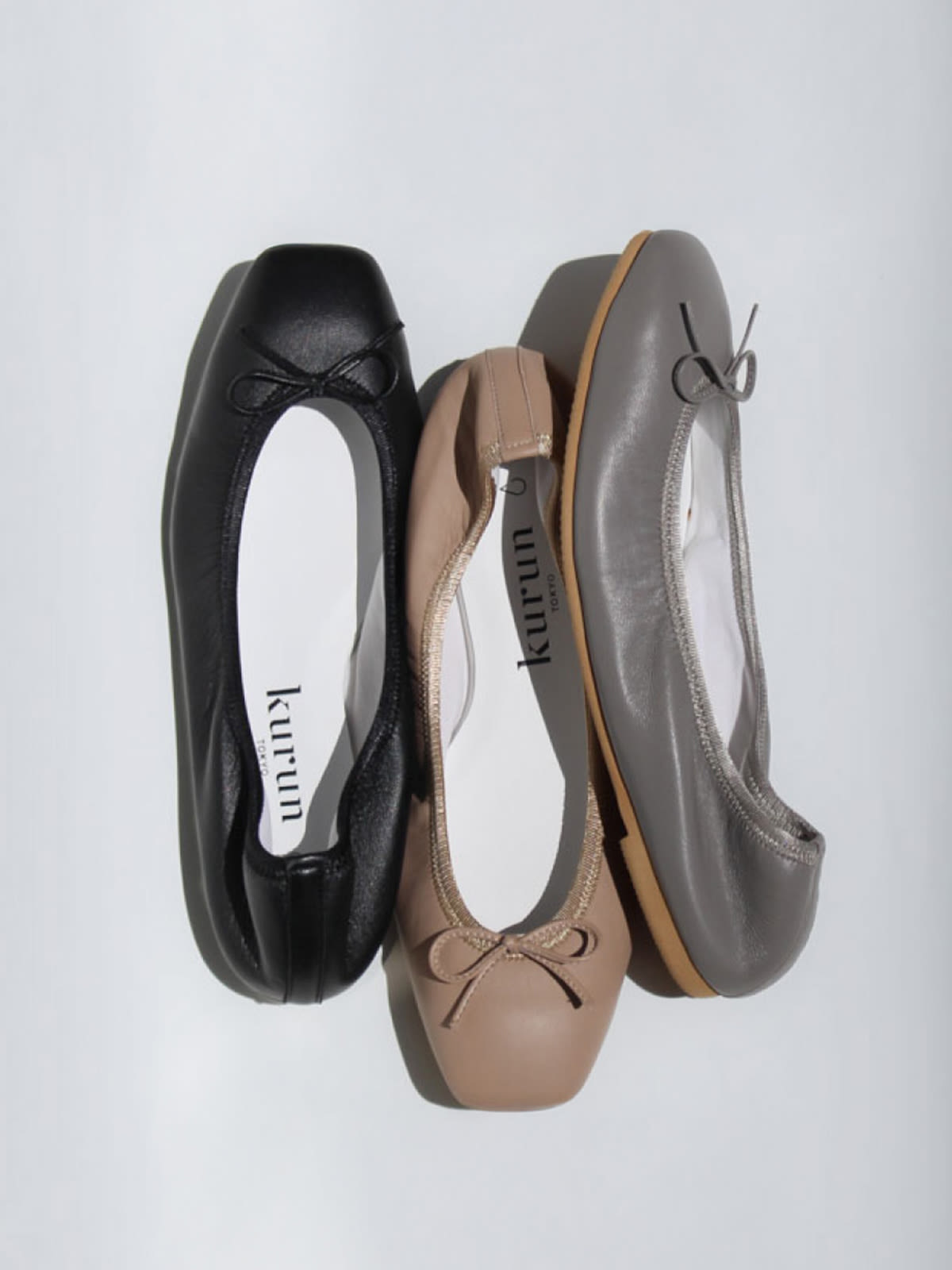
For first-time buyers, Yamashita recommends the Giselle Waterproof Smooth model.
“It features especially soft sheepskin leather for exceptional comfort and fit. The square-toe silhouette combines the sleekness of a pointed toe with the spaciousness of a round toe,” he said.
“Because of this balance, it transitions effortlessly from work to everyday wear, making it an ideal first pair of Kurun Tokyo ballet flats.”