From anti-counterfeit to cultural icon: How the Louis Vuitton monogram defined style for 130 years
What began as a clever way to outsmart counterfeiters in 1896 is now one of fashion’s most recognisable signatures. From Speedy to Neverfull, we trace the Louis Vuitton monogram’s rise – and the new drops celebrating 130 years.
In partnership with Louis Vuitton.
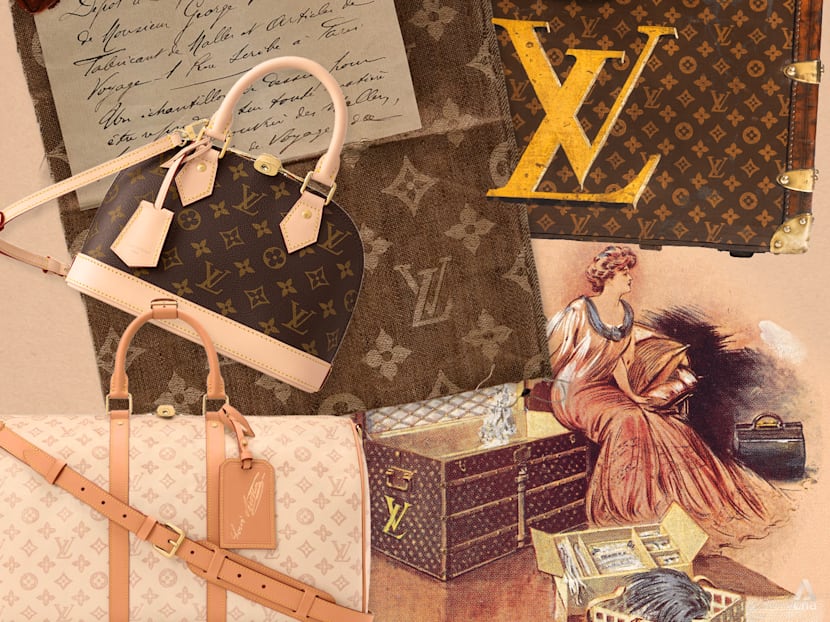
(Photos: Louis Vuitton; Art: CNA/Chern Ling)

This audio is generated by an AI tool.
When Georges Vuitton – the son of Louis Vuitton – created the house’s monogram in 1896, he couldn’t have predicted it would become one of the most enduring symbols in fashion.
The motif was also deeply personal – an homage to his father, who had passed away four years earlier in 1892. At its centre sat the “LV” initials, framed by stylised floral emblems – a composition that suggested remembrance and renewal. Long before brand marks became ubiquitous, the Louis Vuitton monogram stood among the earliest modern logos.
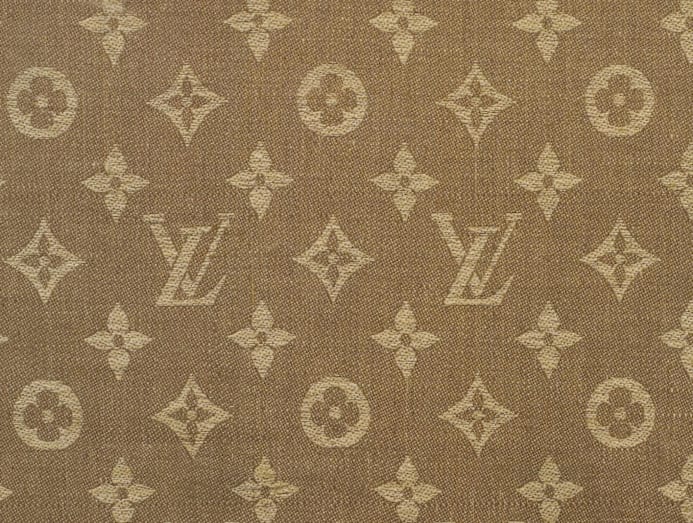
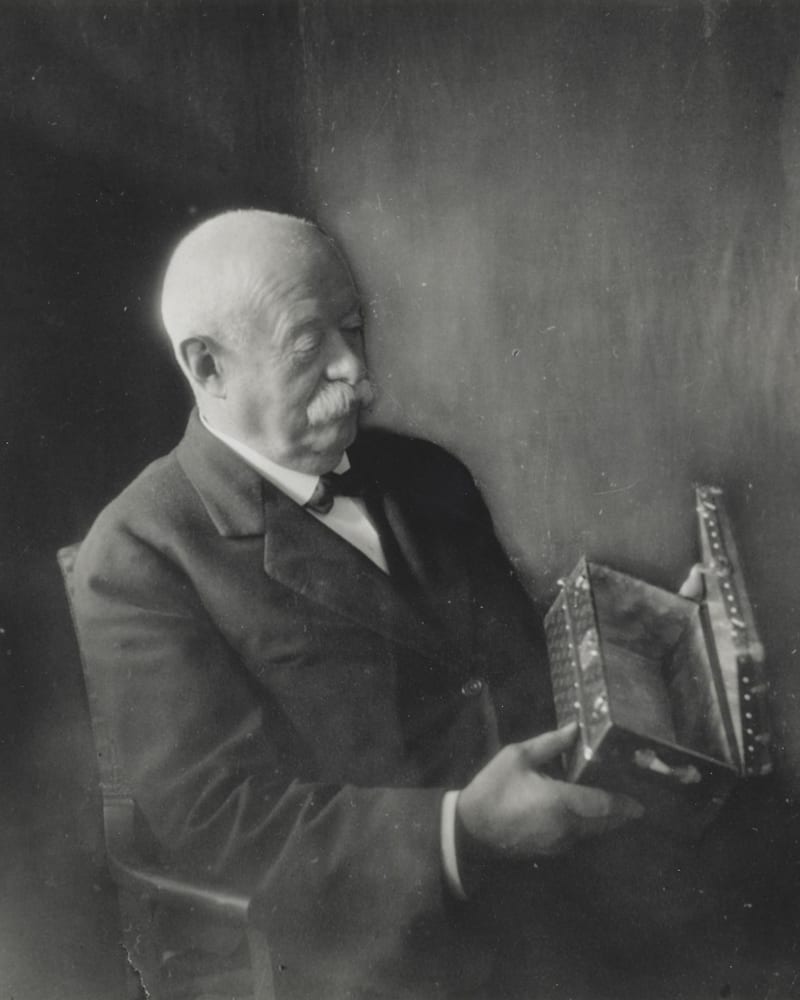
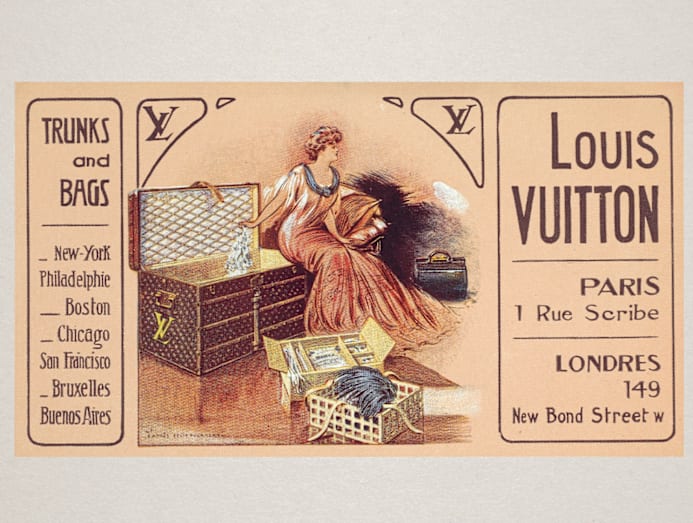
But beauty wasn’t the only goal. Georges had designed the monogram as a defence against the wave of counterfeit trunks imitating Vuitton designs even back then. Patented in 1897, the pattern was a remarkably forward-thinking move – one that positioned the house as an early pioneer of creative authorship and brand protection.
PATTERN MEETS MATERIAL
The monogram emerged at a moment when Parisian taste was being reshaped by Neo-Gothic influences, Japonisme, and the nascent Art Nouveau movement. It’s said the pattern drew from both Eastern and Western references, reflecting the era’s evolving ideas of beauty and ornamentation.
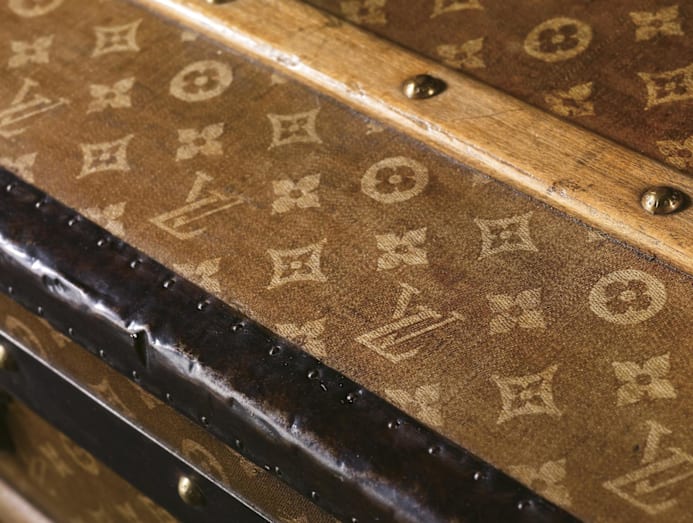
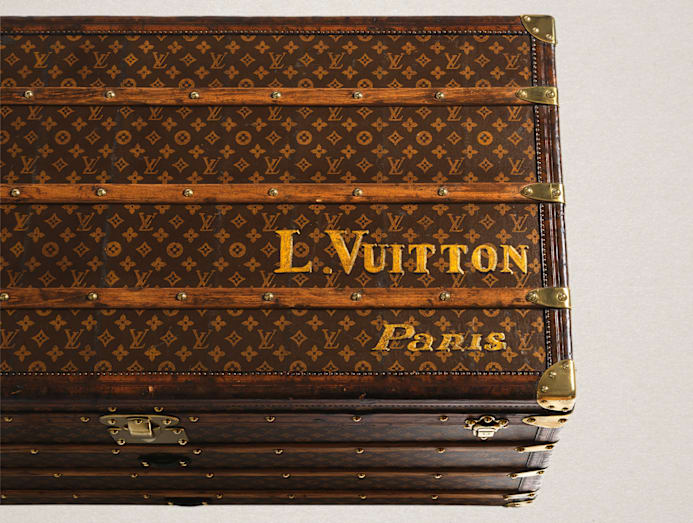
The monogram first appeared as a woven linen jacquard applied to Louis Vuitton trunks. In 1902, it was refined using the pochoir technique (stencilling), and it only became the version we recognise today with the introduction of monogram canvas in 1959.
As travel habits changed – and luggage grew smaller and more portable – the monogram moved beyond hard-sided trunks and vanity cases into softer bags made for modern transit.
Louis Vuitton’s canvas innovation was key to that shift. Built on a cotton base and finished with a protective vinyl coating, the material is supple, lighter than leather, waterproof, and wear-resistant. It’s a combination so effective that the monogram canvas has remained essentially unchanged in composition since its debut.
ICONS OF THE MONOGRAM
Monogram canvas has also helped define five signature bag silhouettes that remain central to Louis Vuitton’s legacy – and arguably even more coveted today than when they first launched.
SPEEDY (1930)
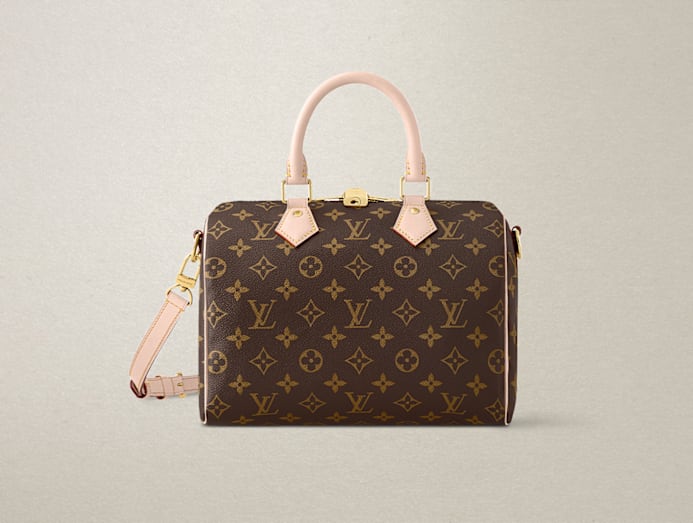
Compact and made for quick transit, the Speedy was designed to carry only the essentials – and it remains a favourite in monogram canvas. Over the decades, it has attracted fans across generations and aesthetics, from Audrey Hepburn and Catherine Deneuve to Pharrell, Naomi Campbell, Sarah Jessica Parker, and Kendall Jenner.
KEEPALL (1930s)
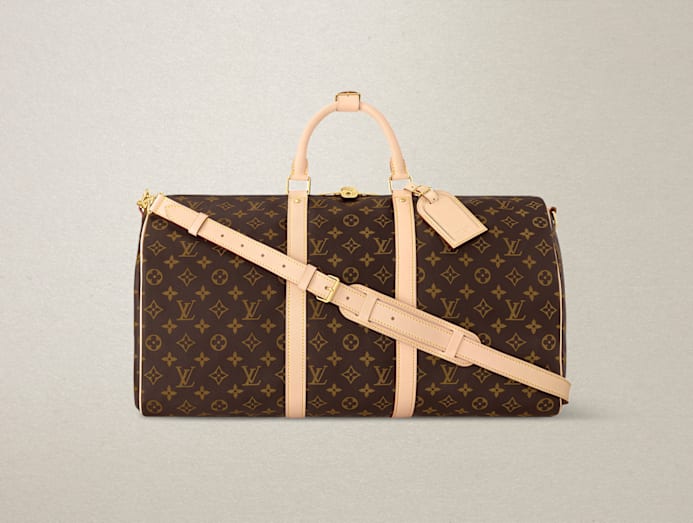
A spacious travel bag that helped shift luggage from rigid trunks to soft carry-ons, the Keepall captures the appeal of the monogram canvas at its best: Flexible, foldable, and effortlessly recognisable – ideal for short trips and stylish arrivals.
NOE (1932)
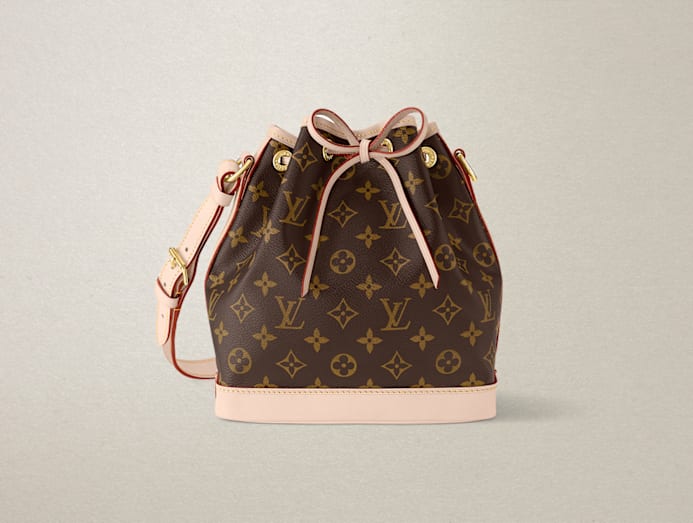
Casual yet refined, the bucket-shaped Noe surged in popularity during the 1990s. Its origin story is less known: It was created at the request of a champagne producer, designed to carry five bottles securely – a practical beginning that became a fashion mainstay.
ALMA (1993)
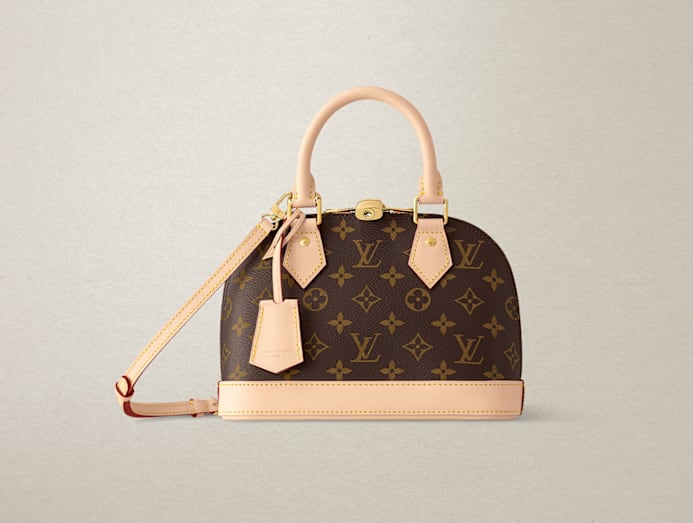
A modern icon that shows off the monogram’s polished side, the Alma is defined by its structured, dome-shaped silhouette. Elegant yet versatile, it proves how seamlessly the pattern elevates a more refined, ladylike form – finished with the instantly recognisable “LV” initials and floral motifs.
NEVERFULL (2007)
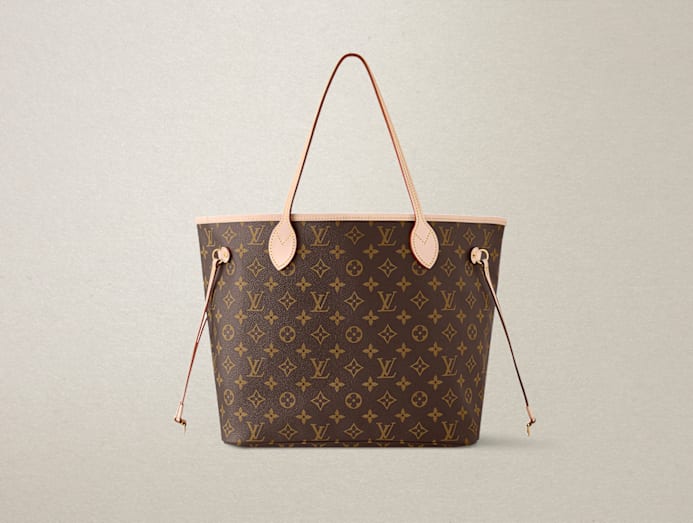
Relaxed, roomy and built for everyday wear, the Neverfull demonstrates the monogram’s casual ease. Its effortless tote shape lets the signature canvas do the talking, delivering that unmistakable Louis Vuitton look – the “LV” monogram and florals – in a practical, contemporary carryall.
130TH ANNIVERSARY HIGHLIGHTS
To mark the monogram’s 130th anniversary, Louis Vuitton is unveiling exclusive capsule releases that spotlight different facets of the pattern’s history – each anchored by silhouettes closely tied to the monogram canvas.
MONOGRAM ORIGINE
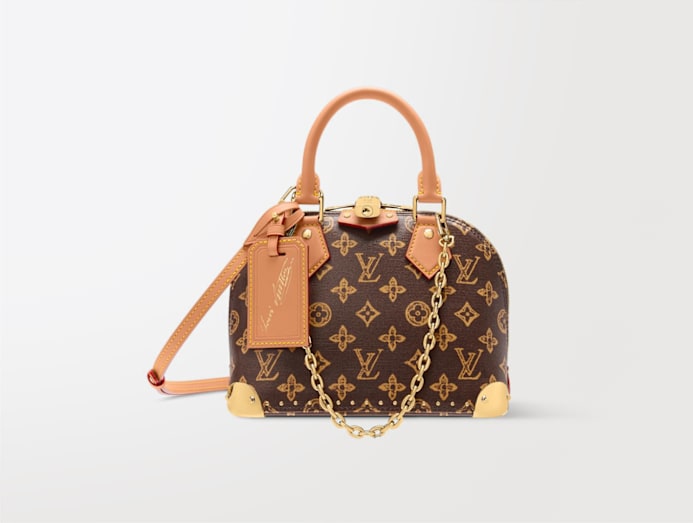
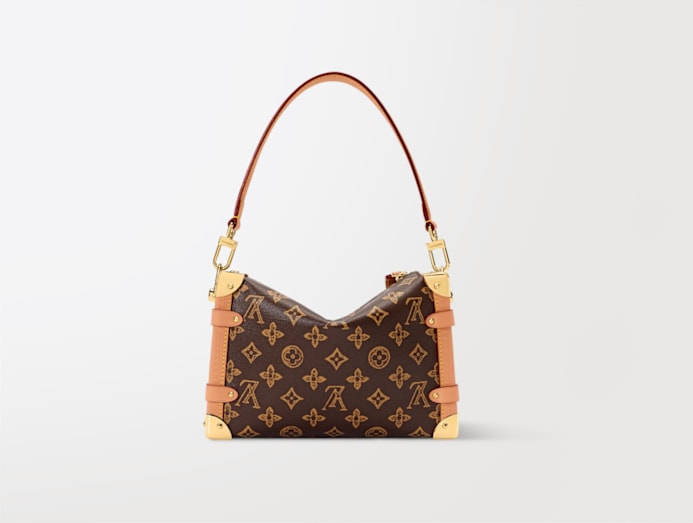
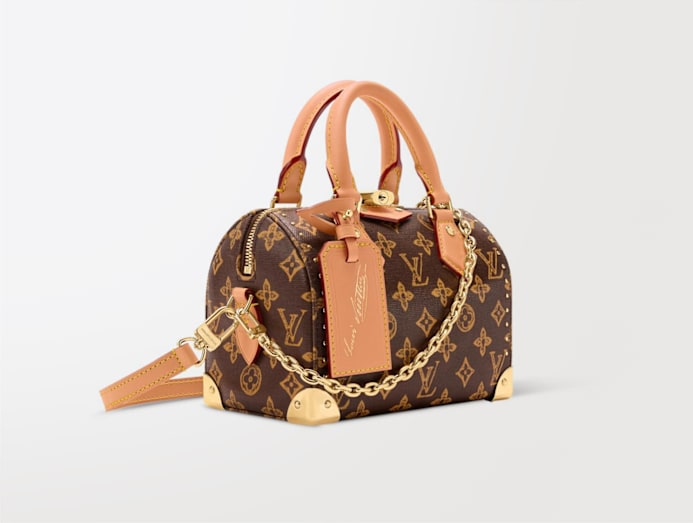
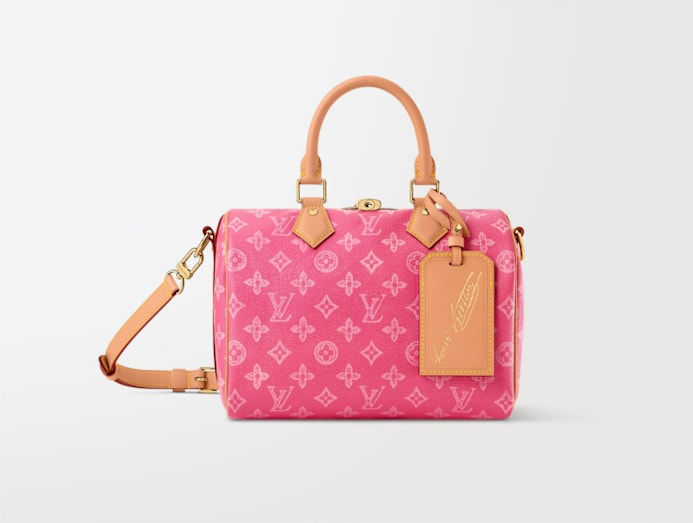
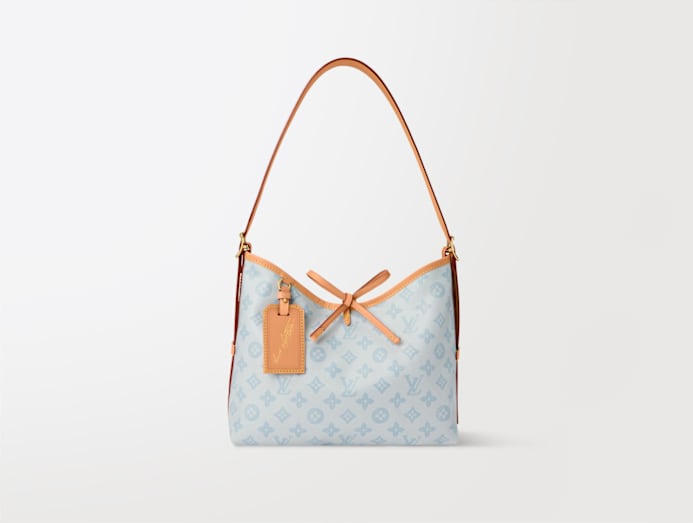
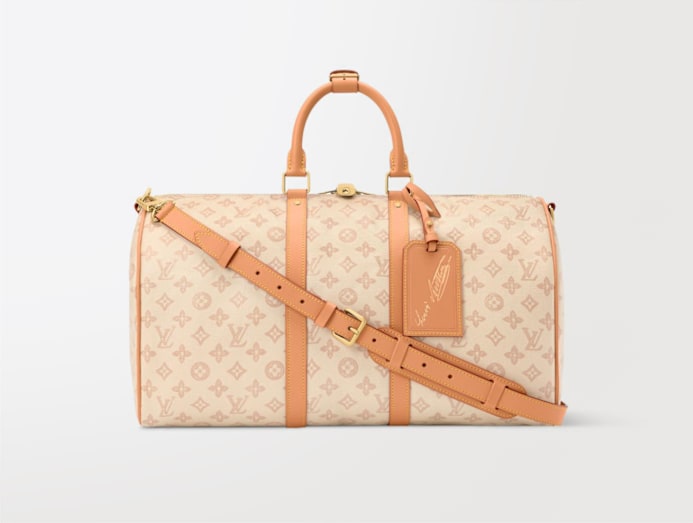
A vintage-leaning reinterpretation, featuring a new coated canvas with a softer, textured feel made from a linen-and-cotton blend, paired with a heritage-styled monogram.
The selection spans house classics such as the Speedy, Noe, Alma, and Neverfull, refreshed in pastel tones suited to spring. Each piece is finished with a name tag hot-stamped with Louis Vuitton’s handwritten signature – a decorative charm that also functions as a cardholder.
VVN
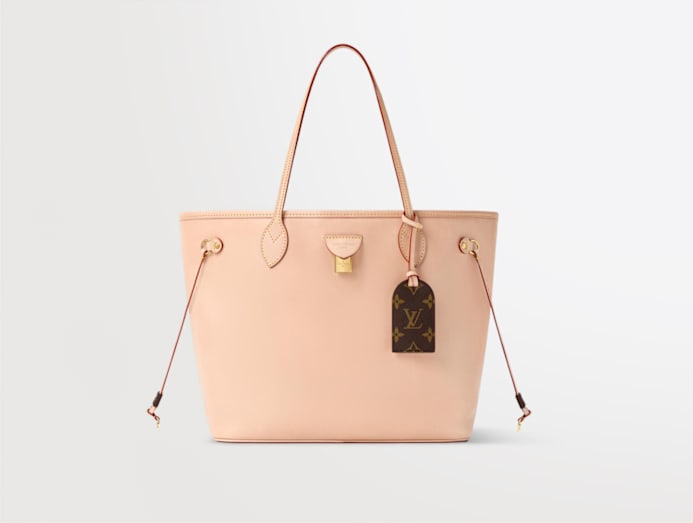
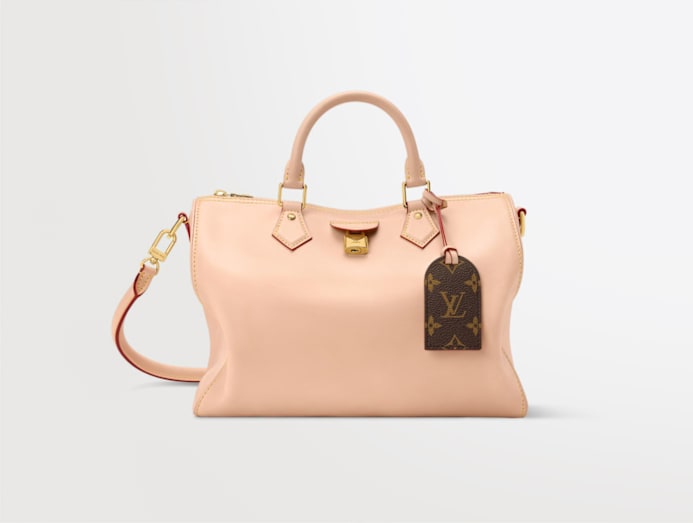
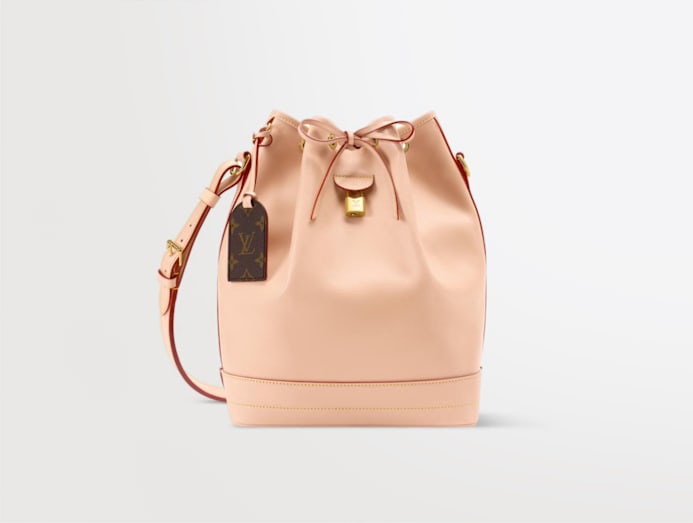
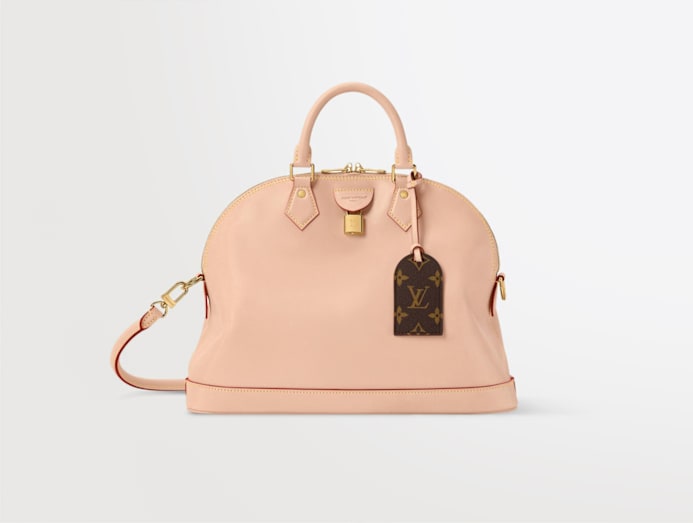
Short for Vache Vegetale Naturelle, this capsule pays tribute to Louis Vuitton’s pale, vegetable-tanned cowhide – prized for developing a rich patina over time, shaped by its owner’s use.
Here, key bag designs appear fully crafted in VVN leather for an unexpectedly clean, light look. The monogram returns in a surprising role: as interior lining, and on a detachable name tag that adds contrast to the exterior.
TIME TRUNK
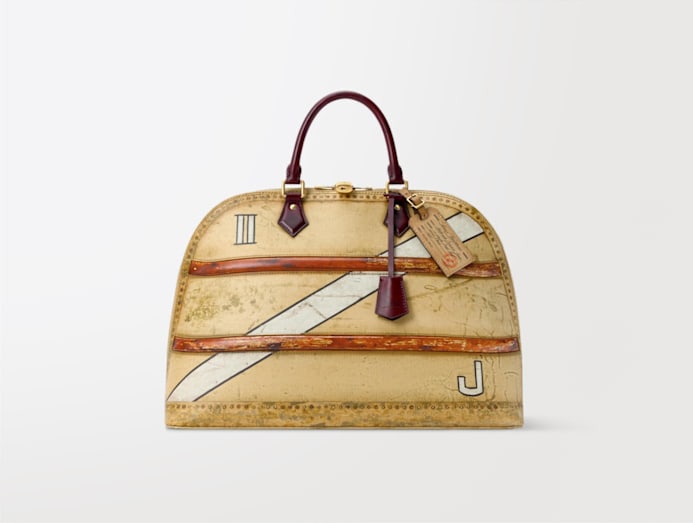
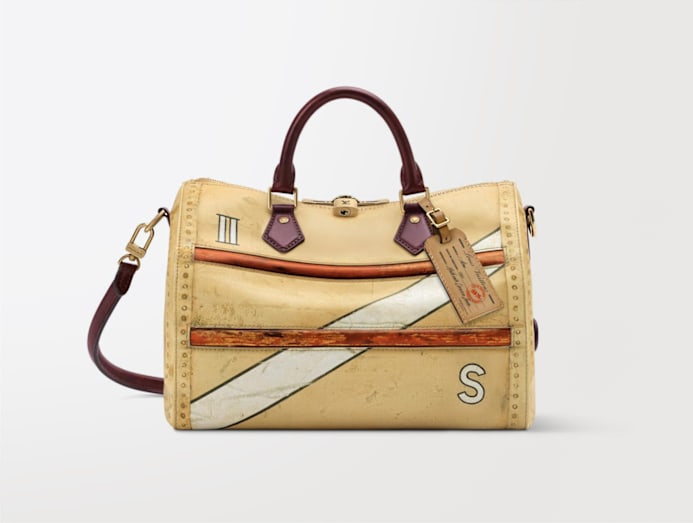
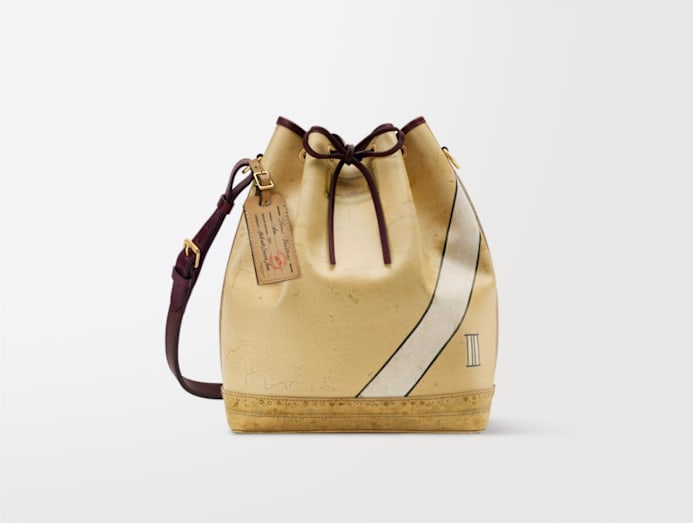
Trompe l’oeil takes the lead in a collection that recreates the look and feel of archival trunks through ultra-realistic, high-definition prints.
Historic trunks were photographed from every angle, with textures meticulously reproduced on canvas – right down to aged patina, metal corners, rivets, and leather marquetry. The result is a tribute to Louis Vuitton’s trunk-making heritage, reimagined for new-generation bags.