Not your usual Mexico 66: Inside Onitsuka Tiger’s Japan factory making sneakers that cost twice as much
Small-batch production, specialised craftsmanship and custom options explain the premium – and why these sneakers are meant to age with character. CNA Lifestyle went to Onitsuka Tiger's special factory in Japan to find out more.

Behind the scenes at Onitsuka Tiger's Onitsuka Innovative Factory in Tottori, Japan. (Art: CNA/Jasper Loh)

This audio is generated by an AI tool.


The Mexico 66 is perhaps Onitsuka Tiger's (OT) most iconic model. The Japanese footwear brand first introduced it in 1966 for athletes competing at the Summer Olympics in Mexico. It eventually went on to become a pop culture icon after Bruce Lee wore them in the film Game Of Death and, subsequently, Uma Thurman sported the same pair in Kill Bill: Volume 1.
These days, they’re pretty ubiquitous. But as it turns out, not all Mexico 66 sneakers are created equal.
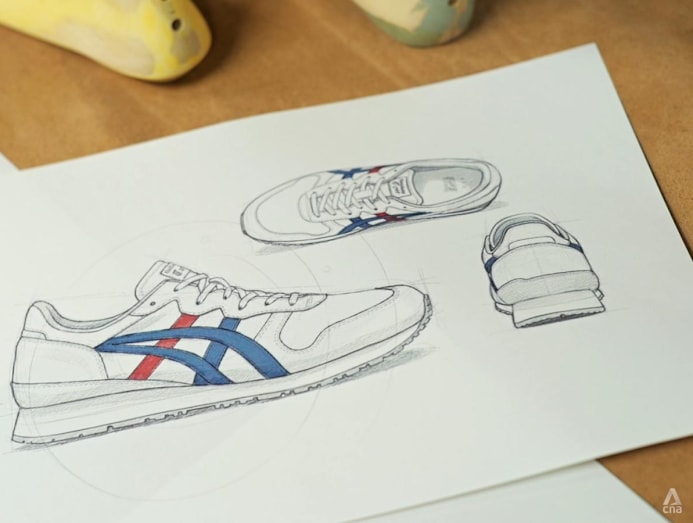
If you’ve ever visited the brand’s flagship at Ngee Ann City, you may have noticed there are actually two versions. Out front, the familiar stripes come at the familiar price tag of S$190. But at the back, framed intriguingly by a “Nippon Made” sign, is a near-identical silhouette that costs S$460 – more than twice as much.
So what's the difference? CNA Lifestyle recently travelled to Tottori, Japan, where Onitsuka Tiger has built a new facility dedicated to its premium "Nippon Made" line, to find out.
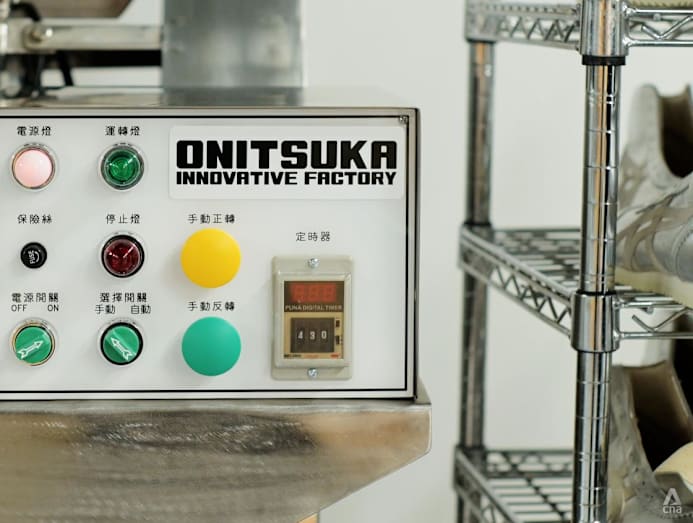
ONITSUKA INNOVATIVE FACTORY
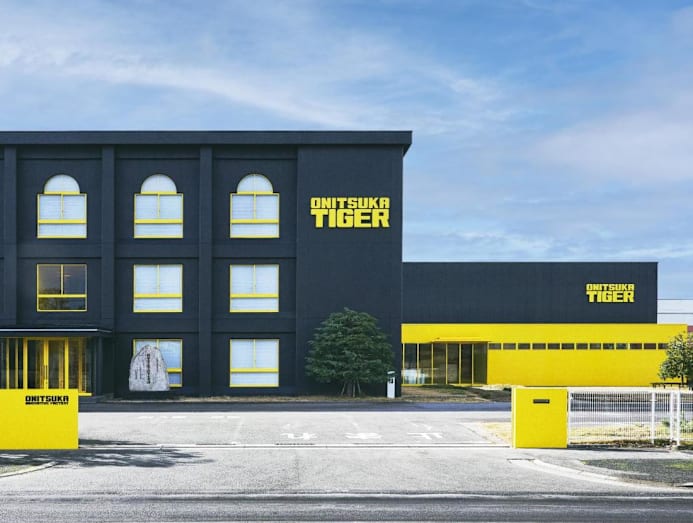
The Japanese city of Tottori is the birthplace of OT founder Kihachiro Onitsuka, who launched the brand in 1949.
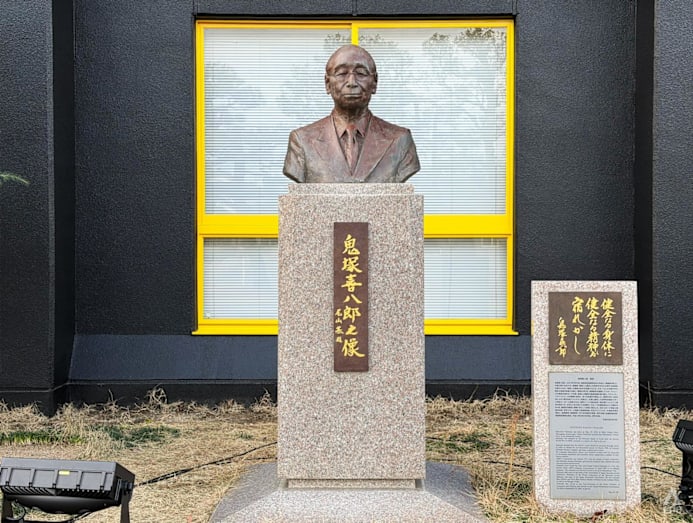
His company would famously merge with a couple of others to create Asics in the 1970s. OT would become the forerunner of the conglomerate. And while "regular" OT shoes are now primarily manufactured overseas, the new factory in Tottori, which officially opened last month, is dedicated to its more premium lines – the Onitsuka Innovative Factory (OIF), where the brand makes its small-batch "Nippon Made" sneakers and The Onitsuka formal line.
An OT representative said that even before the facility was relaunched as OIF, the "Nippon Made" sneakers have been made in Tottori at the same location.
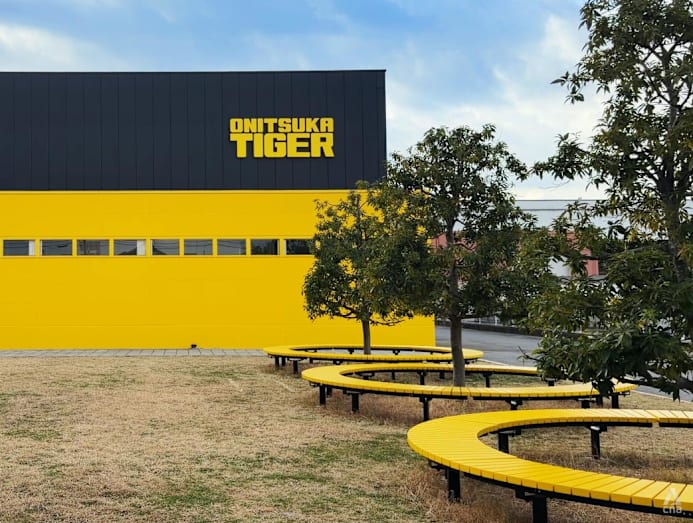
The Onitsuka Innovative Factory (OIF) is where the brand makes its small-batch "Nippon Made" sneakers and The Onitsuka formal line.
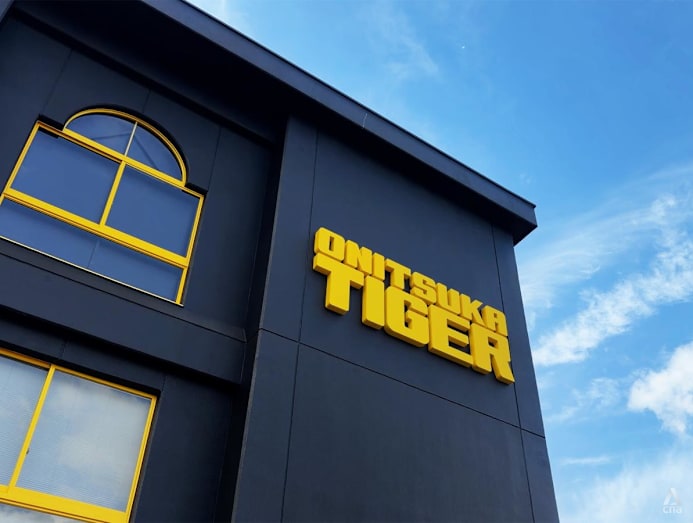
The building itself is hard to miss: Charcoal black with canary yellow accents, a bold block in an otherwise quiet town that's also a visual nod to the colourway made famous in those earlier movies.
According to Ryoji Shoda, head of Onitsuka Tiger Company, the facility serves as the Japanese shoemaker’s new “epicentre” that integrates global design and technology “with a foundation in Japanese craftsmanship”.
It's here where everything is done for what they call their "high value-added" footwear, from material development to design to production – the entire shoemaking cycle all under one roof.
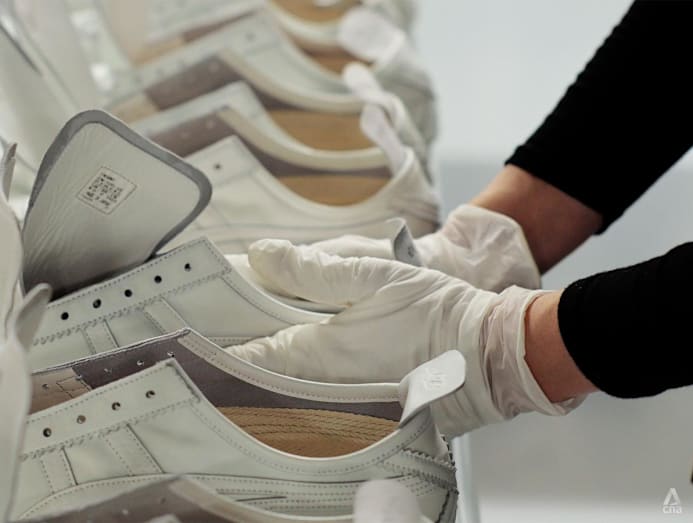
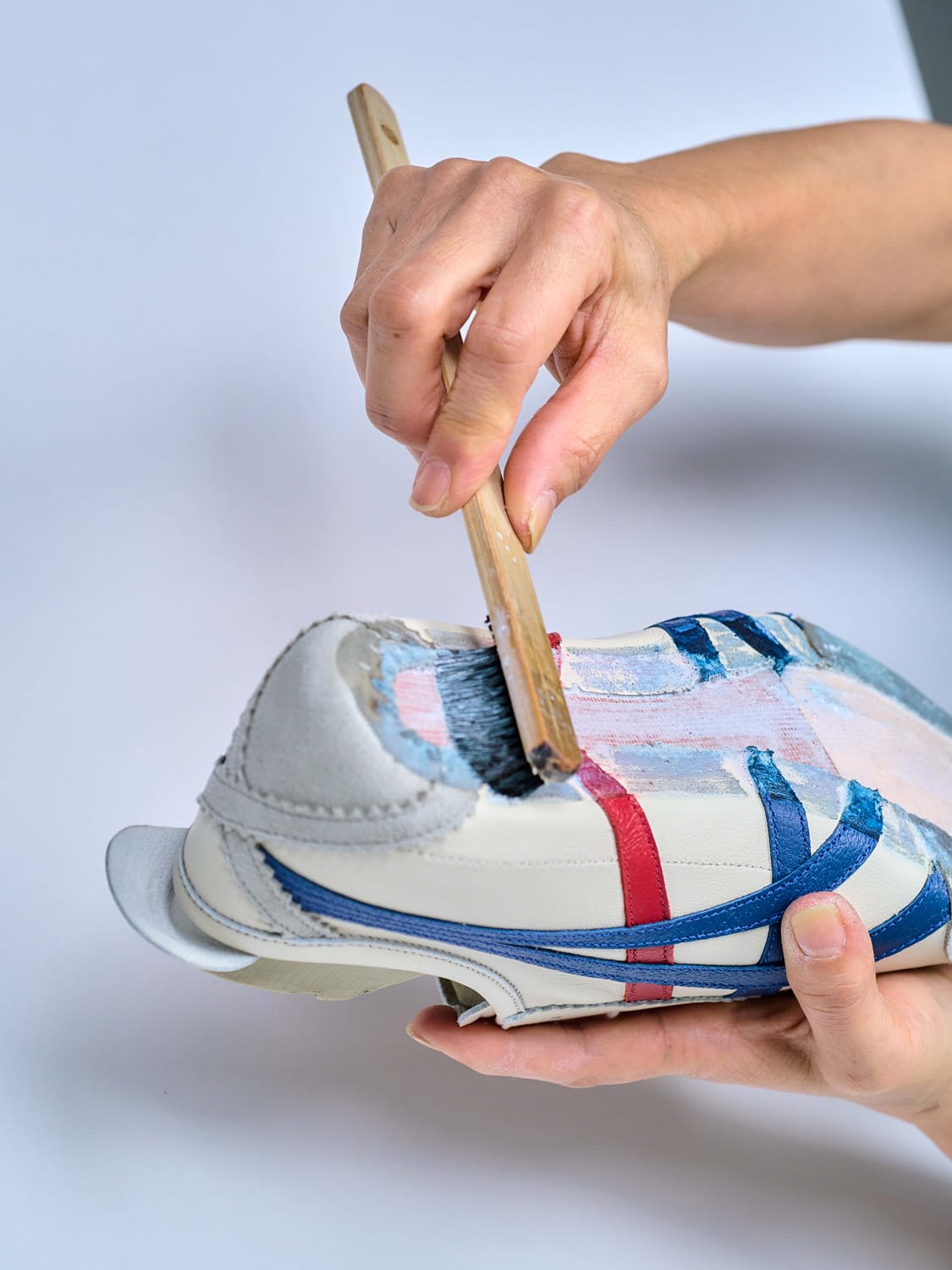
And that's the main difference between the "regular" Mexico 66 and the "Nippon Made" Mexico 66 Deluxe – the latter is entirely made in Japan, whereas the other model is manufactured in overseas factories, explained Shoda.
At the Tottori factory, you have skilled shoemakers combining traditional techniques with designs from OT's design centre in Milan, as well as some key insights from their in-house Institute of Sport Science, to refine the final product.
But there are other subtle nuances that hardcore sneakerheads would appreciate.
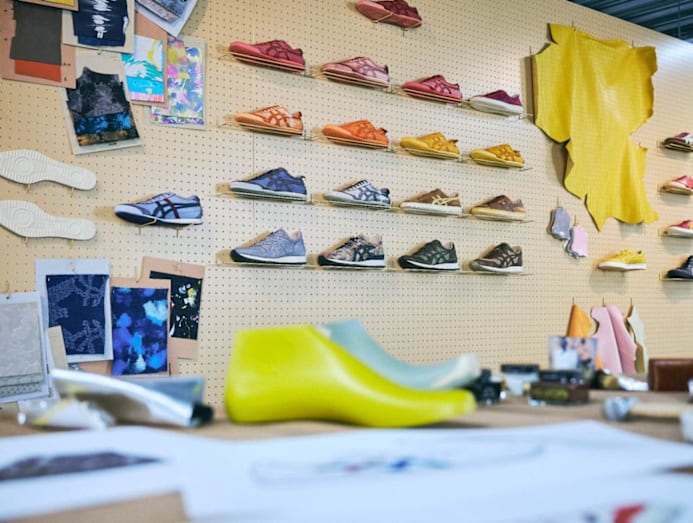
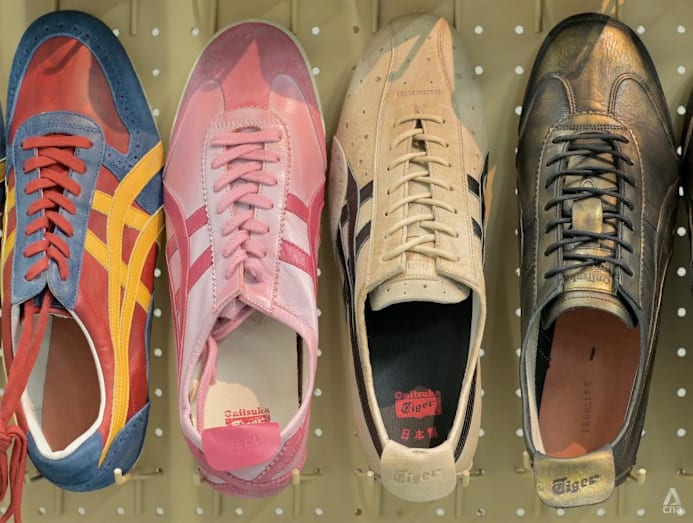
Shoda pointed out a key distinction between the two lies in their blueprint. "The 'last' (shoe mold) of the regular (Mexico 66) range uses a sneaker last close to our archives, (whereas) the 'Nippon Made' series adopts a dressier last akin to formal footwear that results in a unique silhouette."
Another difference is hidden from plain sight, he added. The "Nippon Made" collection features an exclusive insole designed for superior support. "(Despite) its sleek, thin-sole aesthetic, the shoe remains comfortable and reduces fatigue."
THE JAPANESE TOUCHES
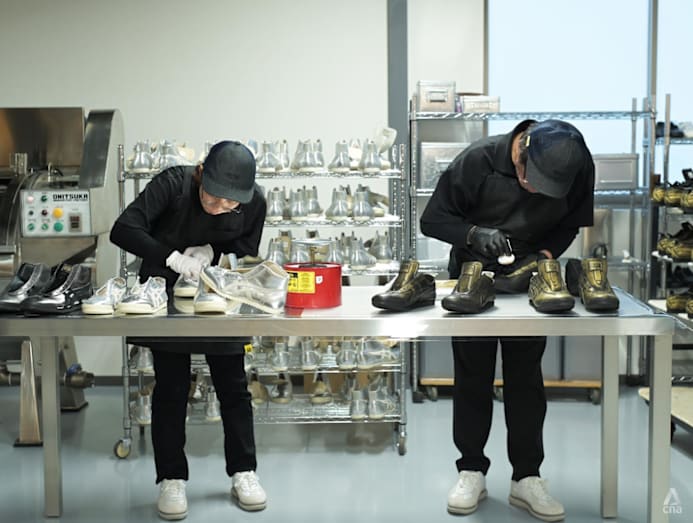
Walking through the shoemaking facility felt vaguely familiar. It reminded us of our earlier visit to Chanel’s haute couture ateliers in Paris. Like the French ateliers – only more industrial – this Japanese factory is divided into zones. Each one is dedicated to a particular craft that's part of what they call "secondary processing", which includes additional steps such as hand-dyeing, manual buffing and foil stamping.
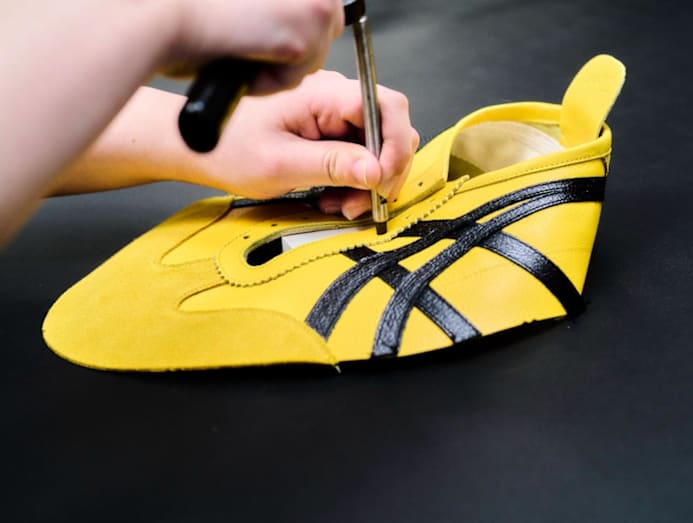
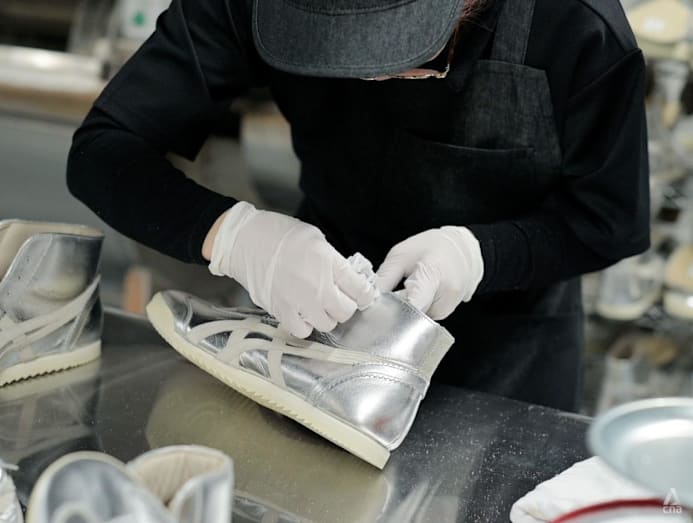
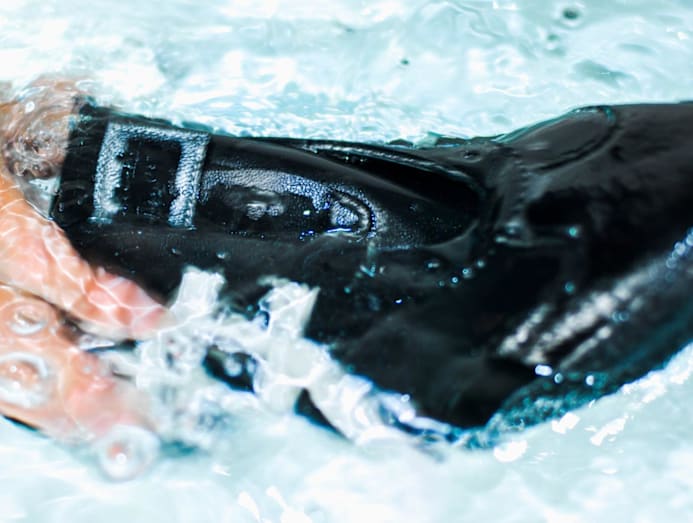
In one corner, shoemakers were creating deliberate wrinkles in the leather by dipping shoes into a clear softening solution. After a brief 30-second soak, the shoes were lifted out, then massaged and folded by hand to form whisker-like marks exactly where the leather needs to flex.
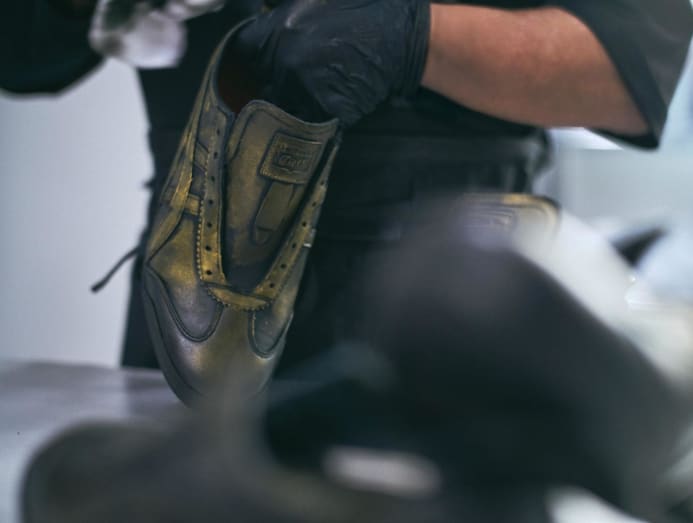
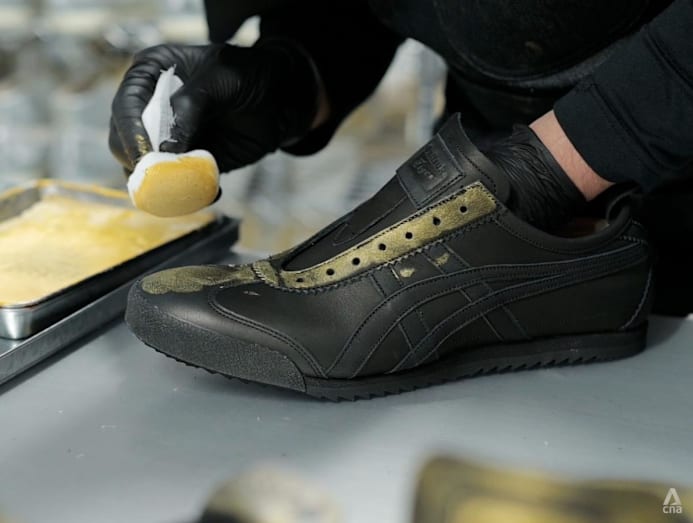
In an adjacent space, a group of artisans worked on what seemed to be the mundane task of dusting off shoes. Only on closer inspection did it become clear they were applying gold dust to create an iridescent metallic finish.
And in another corner, a row of craftsmen huddled over a pile of soles. Tugging and pulling at them – as if in a quiet game of tug-of-war – they shaped each one by hand before attaching it to high-quality Japan-made leather uppers.
The OT host told us that these extra hand-finishing steps mean pairs can vary slightly from one another. The payoff, they added, is a shoe that’s designed to feel supple out of the box, with less of the break-in period many leather shoes demand.
We asked how long it takes to make a pair of "Nippon Made" Mexico 66 Deluxe. An OT representative said it’s difficult to give an exact number of hours because the shoes go through meticulous, hand-finished secondary processes – and the time can vary from pair to pair.
That level of handwork – and the specialised techniques behind it – echoes what ateliers do for couture houses. It’s the kind of finishing machines struggle to reproduce, especially at scale.
When asked how many pairs of the "Nippon Made" Mexico 66 Deluxe have been made since the collection launched in 2009, the representative declined to share figures, pointing instead to the model’s “enduring style” as the reason for a sell-through of "significant numbers".
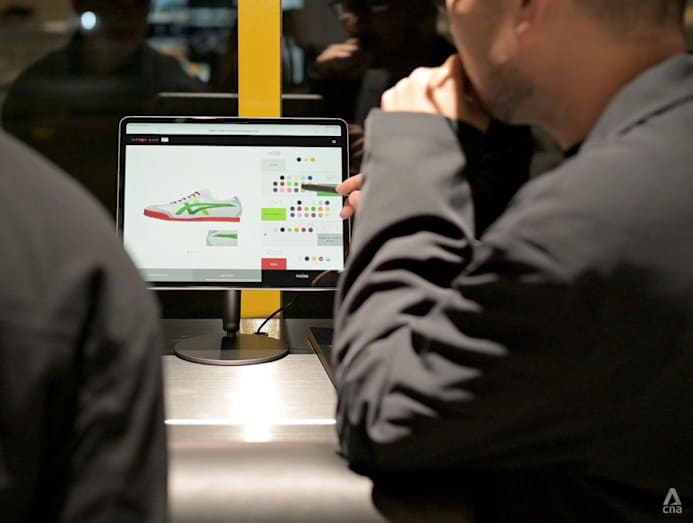
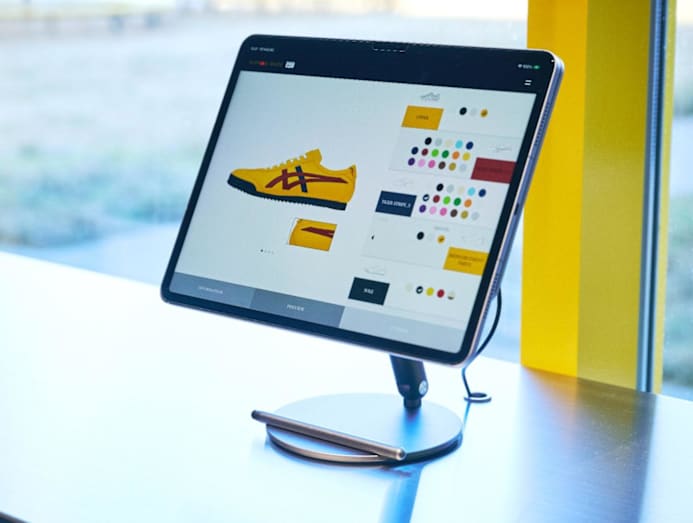
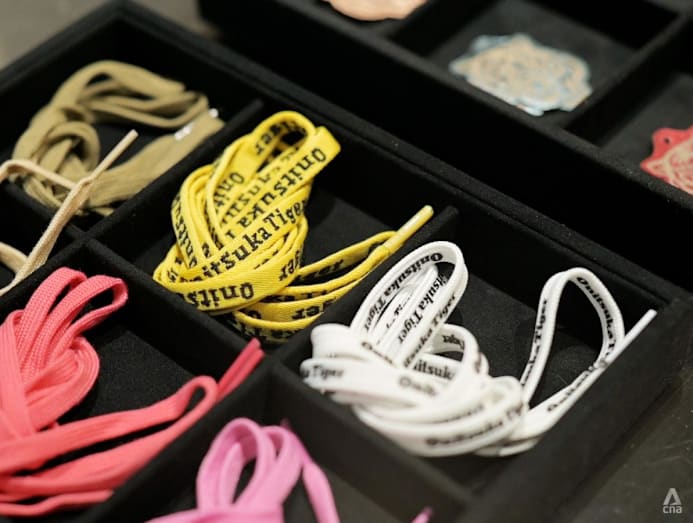
For hardcore OT fans, the Tottori factory also has a bespoke service in its gallery, where customers can choose colour combinations for shoes that are custom-made on site.
COLLABORATION WITH JAPANESE STAR TOMOHISA YAMASHITA
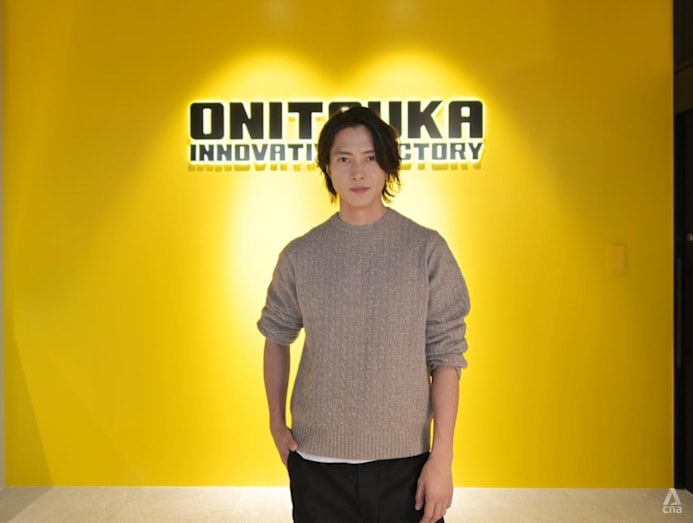
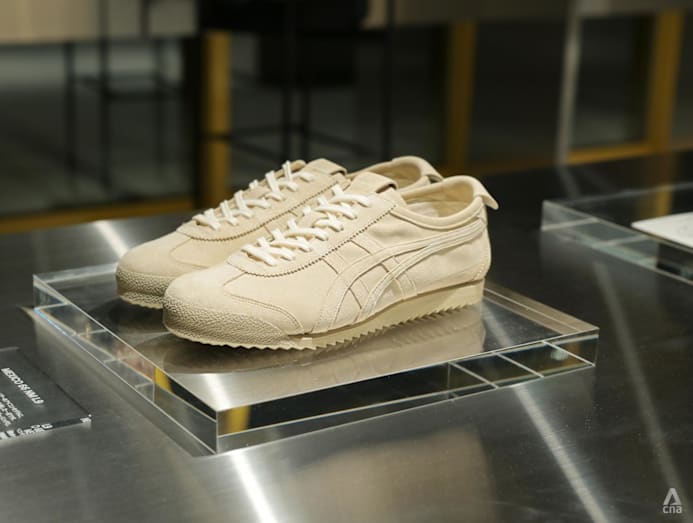
As part of its opening celebrations, the factory is also producing a limited-edition Mexico 66 NM L9 designed in collaboration with Japanese actor and singer Tomohisa Yamashita. Only 1,000 pairs of the all-beige shoes will be available from March at the Onitsuka Gallery Store in Tottori and the Onitsuka Tiger official online store.
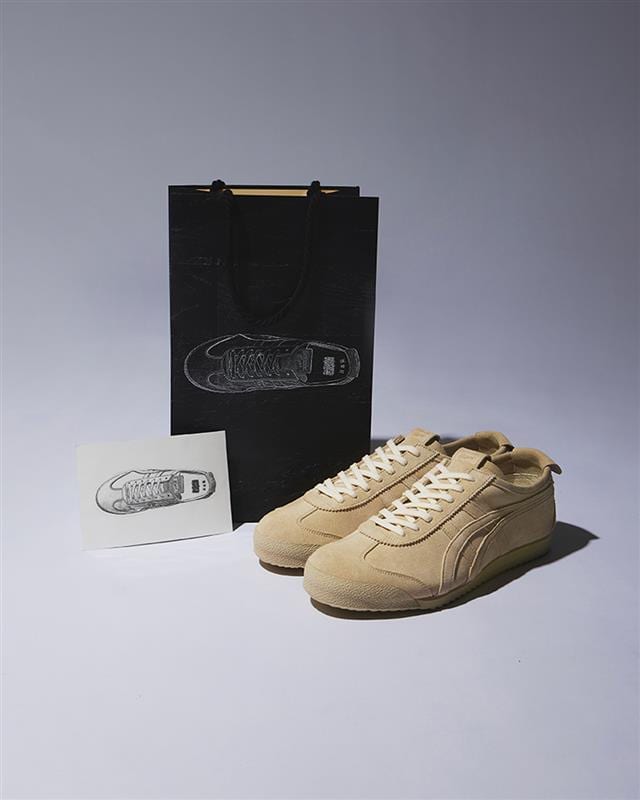
The understated palette is a departure from the brand’s typically flashier designs. On his “inconspicuous” approach, the Alice In Borderland star said: “It reflects what Onitsuka Tiger means to me. Simplicity, comfort, and being like a close friend who accompanies me in everyday life. I poured those feelings into every detail of this shoe.”
In many ways, that sums up the appeal of "Nippon Made": Made in Japan, produced in smaller quantities, and finished by skilled craftsmen – with the promise that, with wear, the shoes may develop character rather than simply wear out.
The next time I step into an Onitsuka Tiger store, I’m more likely than not to wade past the crowd at the front and make a beeline for the "Nippon Made" corner – not just to buy a pair of sneakers, but to see the difference up close.
CNA Lifestyle was in Japan at the invitation of Onitsuka Tiger.