A first-timer's guide to Chongqing: Navigating an '8D' labyrinth of culture and cyberpunk
Chongqing has spawned many viral videos for its hilly urban landscape, which makes for mind-bending "eight-dimensional" architecture. In her first visit to the city, this writer also found it to be a cultural and food haven, offering more than just mala hotpots.
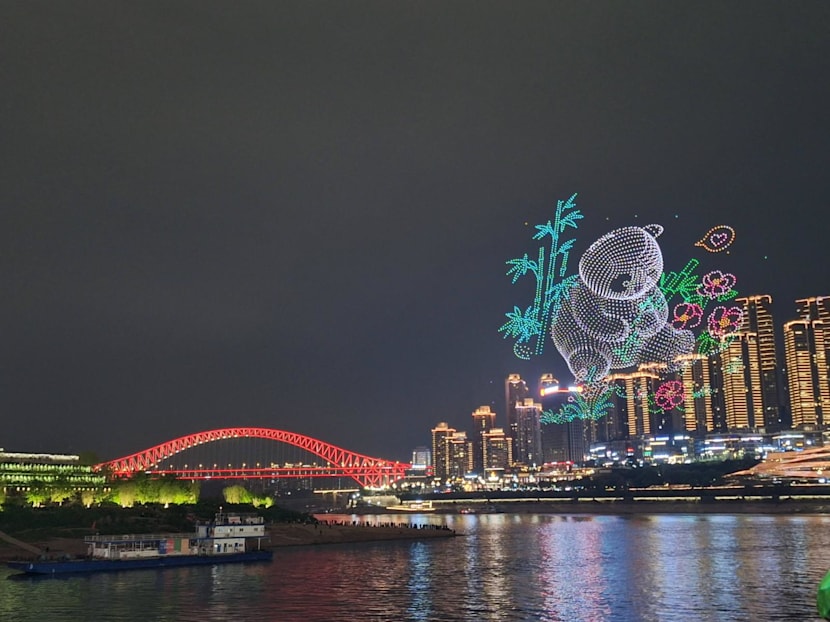
The weekly drone show in Chongqing, above the confluence of the Yangtze and Jialing Rivers, as seen from a river cruise. (Photo: Charu Srivastava)

This audio is generated by an AI tool.


In March, I took my first ever trip to China, specifically to the city of Chongqing. Excited as I was, the experience still exceeded my expectations in every single way.
My travel companions and I spent seven days in the southwest Chinese city, which has lately become a social media sensation, with videos going viral of its bewildering cityscape, mountains and, of course, mala hotpot.
What we found was a city that indeed deserves its reputation for being "eight-dimensional". Beyond its hilly landscape and infamously mind-bending architecture, Chongqing is where the past and future collide, and I found it to be a wonderful introduction to China for a first-time traveller to the country.
Here are my tips and tricks on how to make the most of your visit to the Mountain City.
THE DIGITAL SURVIVAL KIT
Before you even set foot in China, you have to get your mobile apps ready.
This means downloading and setting up WeChat and Alipay – the "super apps" for browsing and booking services, purchasing tickets for attractions and making payments. You should also download Amap for navigation and Didi for private hire rides.
The apps can be unstable and I would sometimes get logged out and be unable to log back in, so it's helpful to have all four.
I activated roaming data before landing so that I could continue using WhatsApp, Instagram and Google apps even after entering China. This meant I could use Google Maps whenever the Amap app failed to load.
Before the trip, I also downloaded the Simplified Chinese pack on Google Translate and the Chongqing map on Google Maps to reduce data usage.
And by the way, if you're an OCBC customer, you can also use the banking app to scan to make Weixin Pay payments in China, in addition to Alipay+ and UnionPay.
SAFETY AND COMFORT
As a group of five female travellers, four of whom don't speak Chinese and who stood out for our “exotic” looks, Chongqing proved to be an exceptionally safe city.
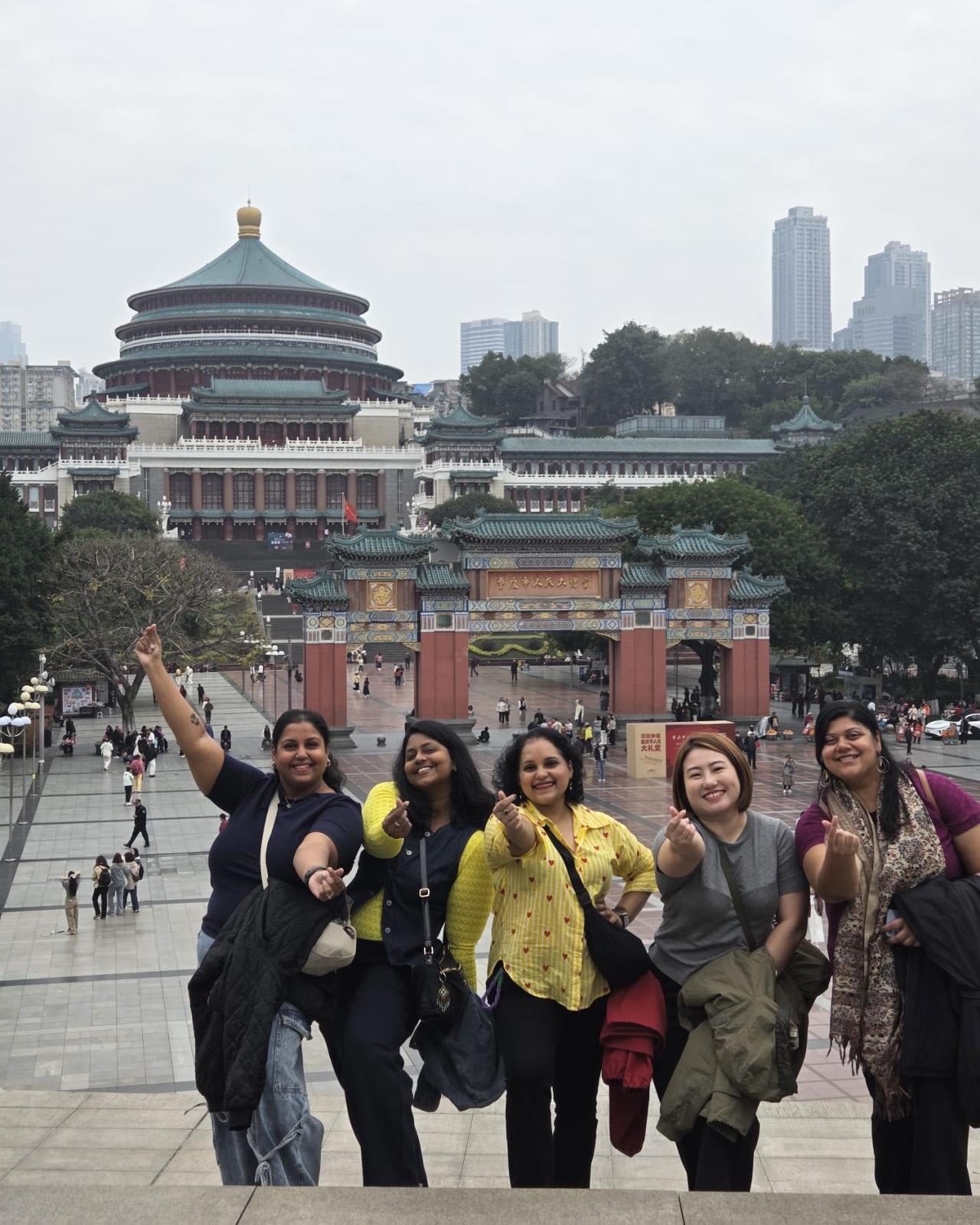
People were friendly and happy to help. My friends and I did attract some curious stares and questions – during our entire trip we did not come across anyone who didn’t look Chinese or East Asian – and a few locals even asked us for photos. We couldn't help but feel like minor celebrities, but we were never made to feel unwelcome or uncomfortable.
What was way more uncomfortable were the toilets. Most public toilets in Chongqing are the traditional squatting kind, and they do not provide toilet paper or soap.
Come prepared: I carried a kit of wet and dry tissues, sanitiser and soap with me everywhere we went.
ADAPTING TO AN "8D" CITY
Because of its hills, Chongqing has come to be known as an "eight-dimensional", or "8D", city, a reality I experienced on the first day when my friends and I alighted from a taxi and somehow entered a building on the 9th floor.
On another day, we walked into a mall on "Level 1", yet by the time we had walked across to the other side of the same floor, we were exiting "Level 4", at street level.
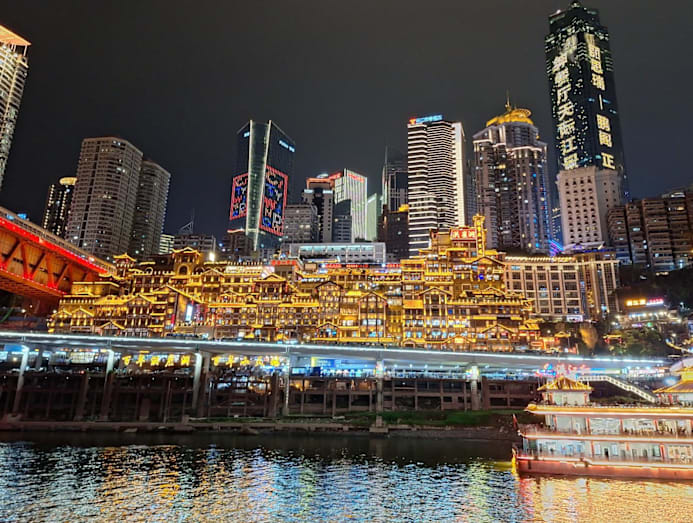
One of Chongqing's most famous tourist sites showcases this multidimensionality particularly well: the riverside Hongyadong area, where a complex of shops have been carved right into the hills, and which was made famous by the Studio Ghibli film Spirited Away.
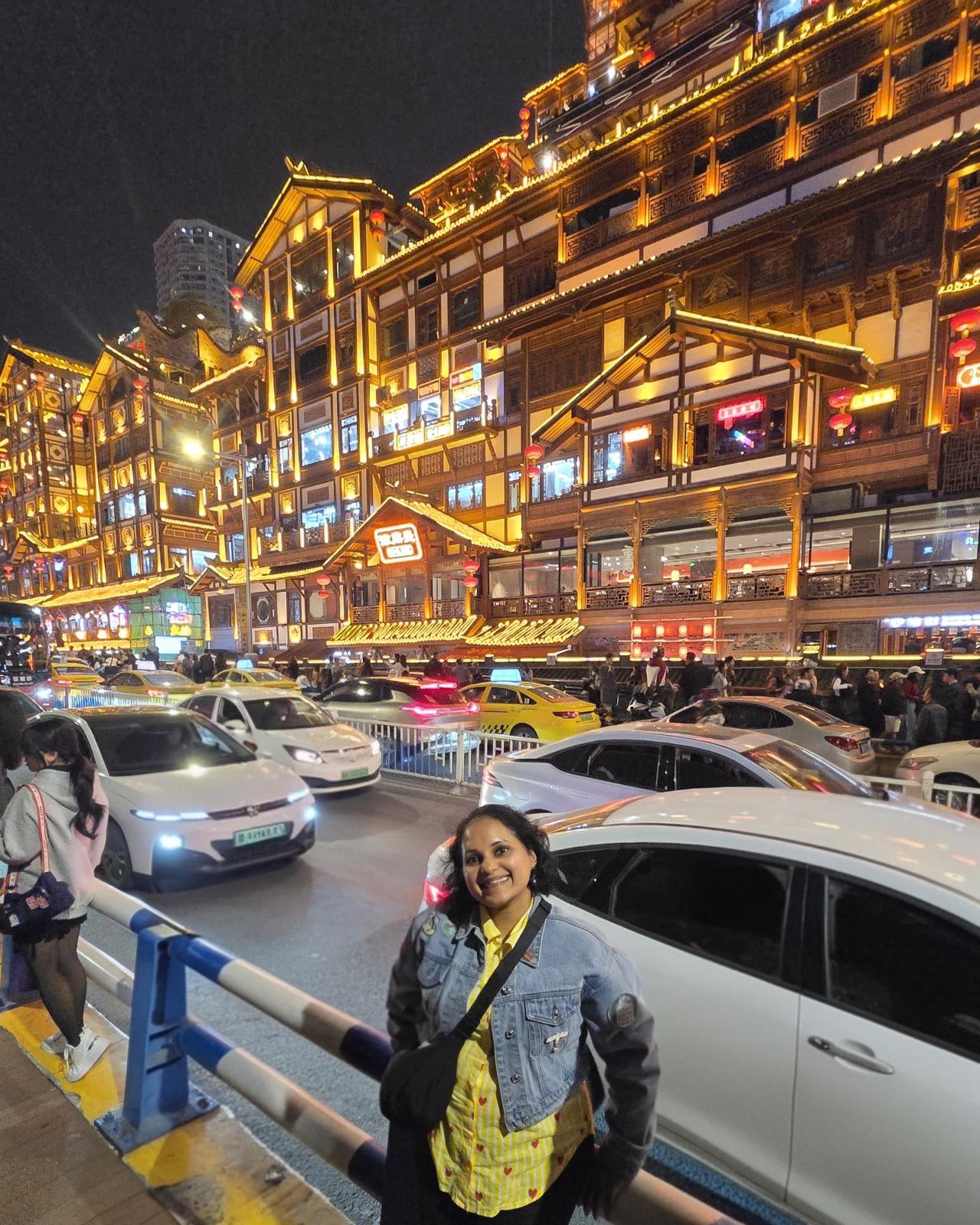
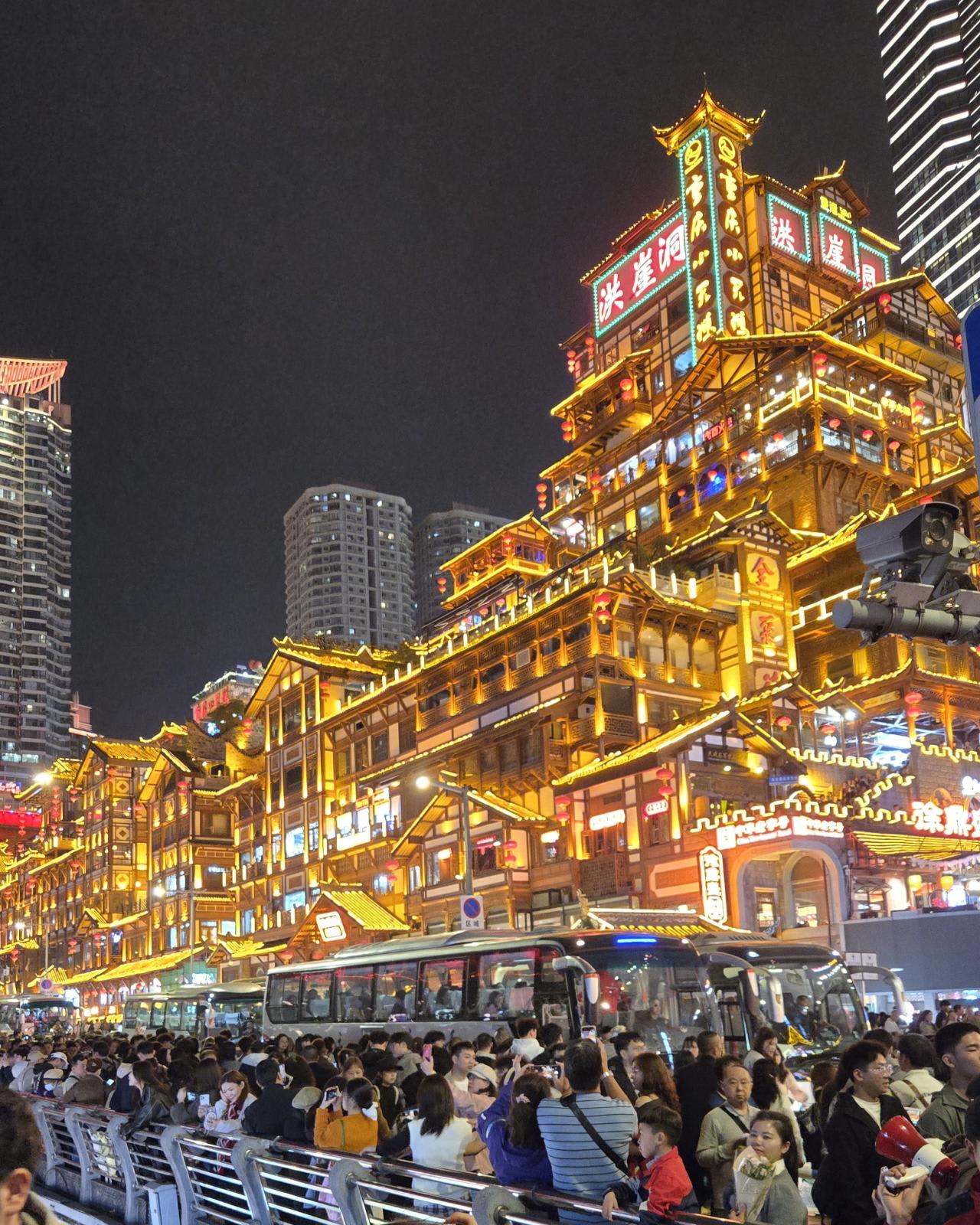
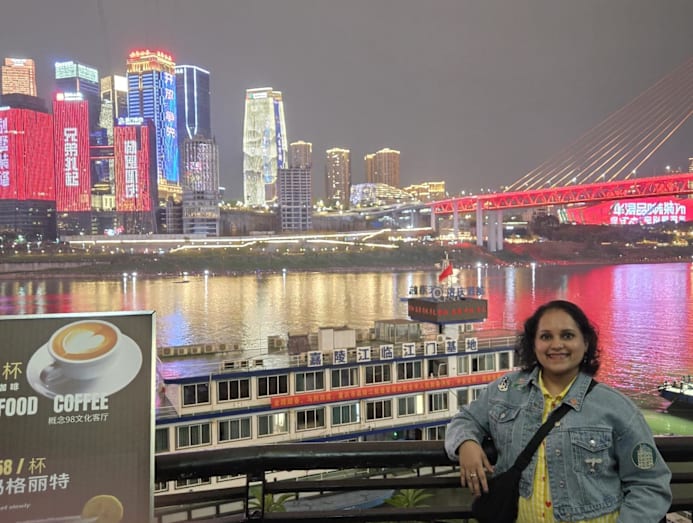
We opted for a Yangtze river cruise to better appreciate the view of Hongyadong and the layered cityscape. It was a good choice: We were greeted with a fully lit Chongqing as well as a drone show that is now viral on social media. My tip: Board the boat around 8pm to catch the drone show onboard, away from the crowds on shore.
While Chongqing's 8D landscape makes for some mind-bending exploration, the many inclines and tilted streets will work your calves. I would definitely advise wearing your most comfortable walking shoes.
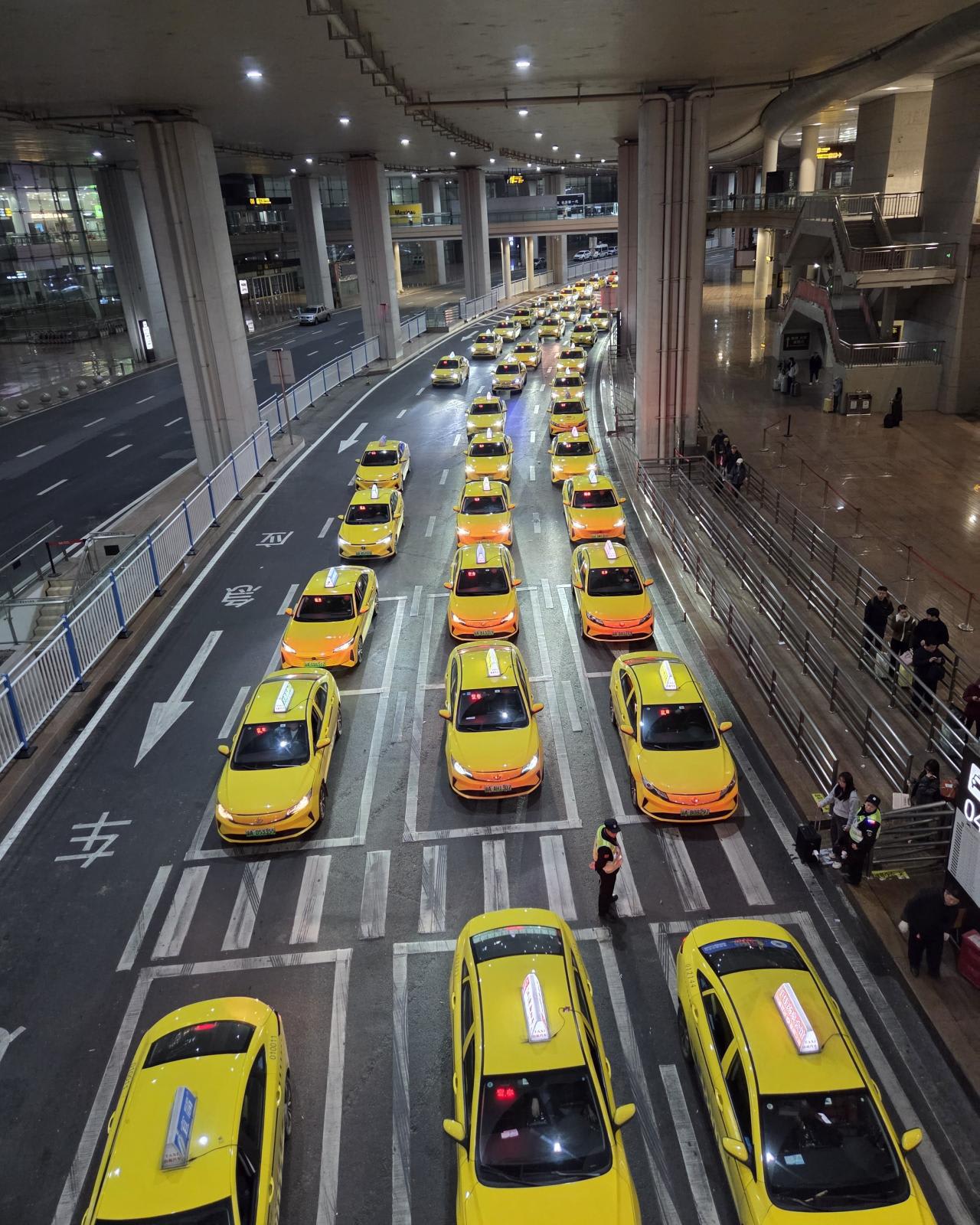
Another tip: choose Didi Premium (whether standard or XL) when booking rides. For less than the cheapest ride-share in Singapore, you get a Chinese electric vehicle stocked with bottled water and tissues, and, depending on the car model, integrated reclining massage seats.
OLD WORLD VS INDUSTRIAL PUNK
Exploring Chongqing means embracing the old and new at the same time.
The Three Gorges Museum is essential for understanding the "Mountain City", and serves as a fascinating archaeological deep dive into the city's pivotal role in China’s history, from its ancient Ba-Shu roots to its endurance as a wartime capital.
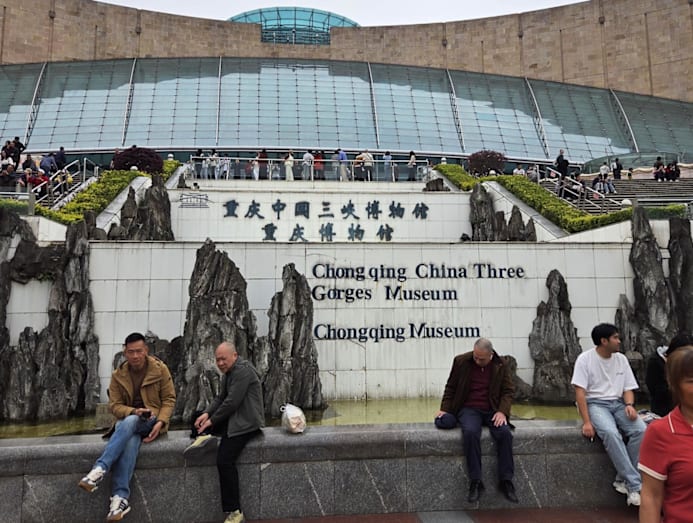
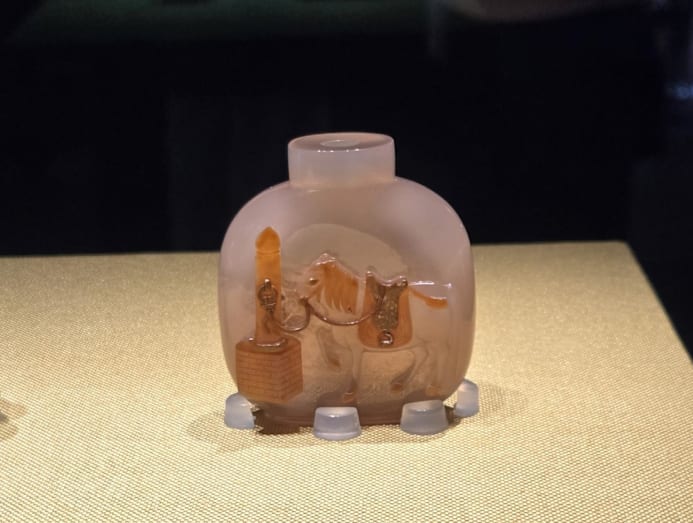
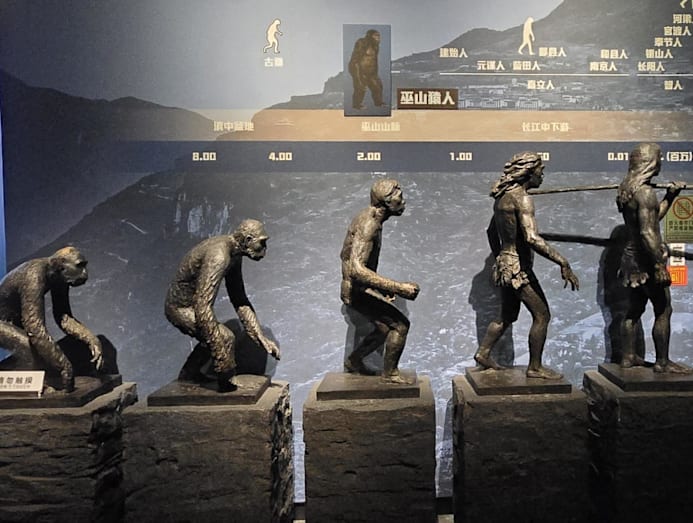
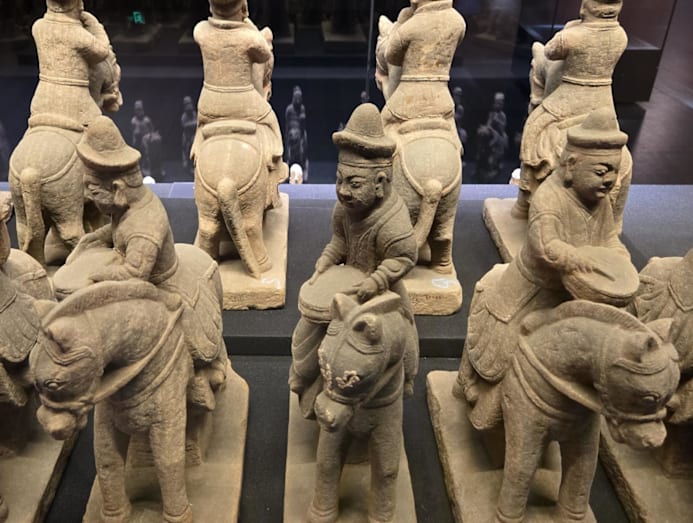
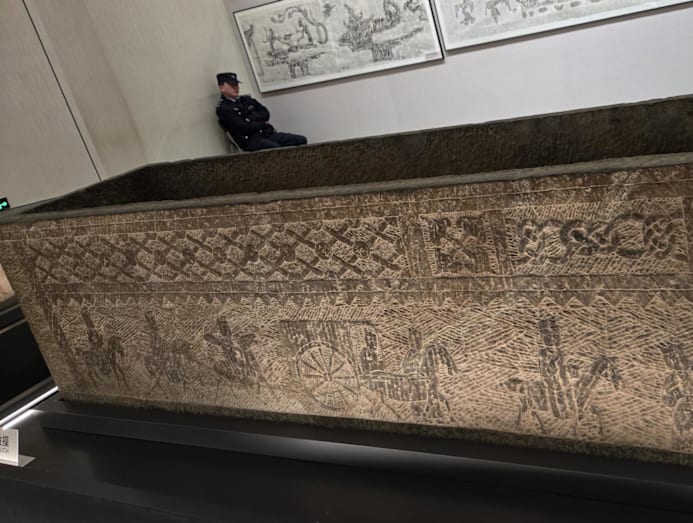
However, as a non-Mandarin speaker, I found that it was confusing to navigate the galleries even with an English audio guide, and I felt that I did not get a complete understanding of the exhibits.
At Ciqikou Ancient Town, also known as Little Chongqing, the architecture in the “town centre” is stunning, giving a peak into old China.
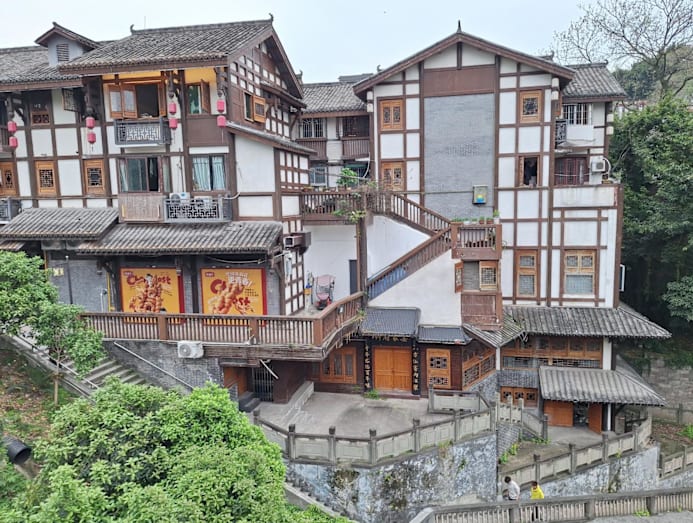
The main town centre is filled with numerous shops and street stalls selling traditional handicrafts and souvenirs that I didn’t spot in the main city.
There are also plenty of restaurants and street food vendors in the area. We enjoyed the street food – my favourite was a potato dish which was the perfect mix of spicy, tangy and umami – as well as a hearty lunch at a restaurant, a lipsmacking mix of local dishes including a fiery Gele chicken dish and the most tender pork I’d ever eaten.
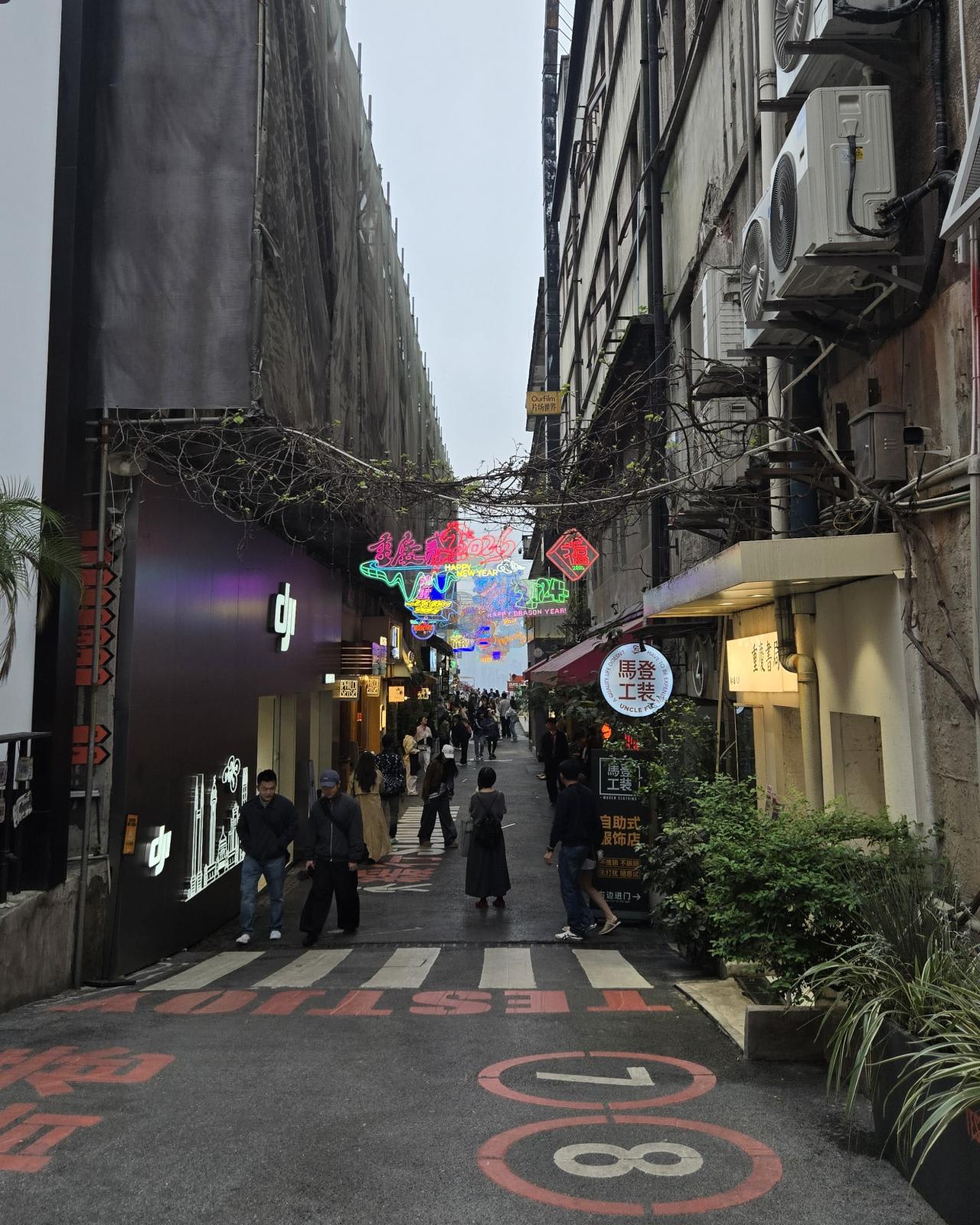
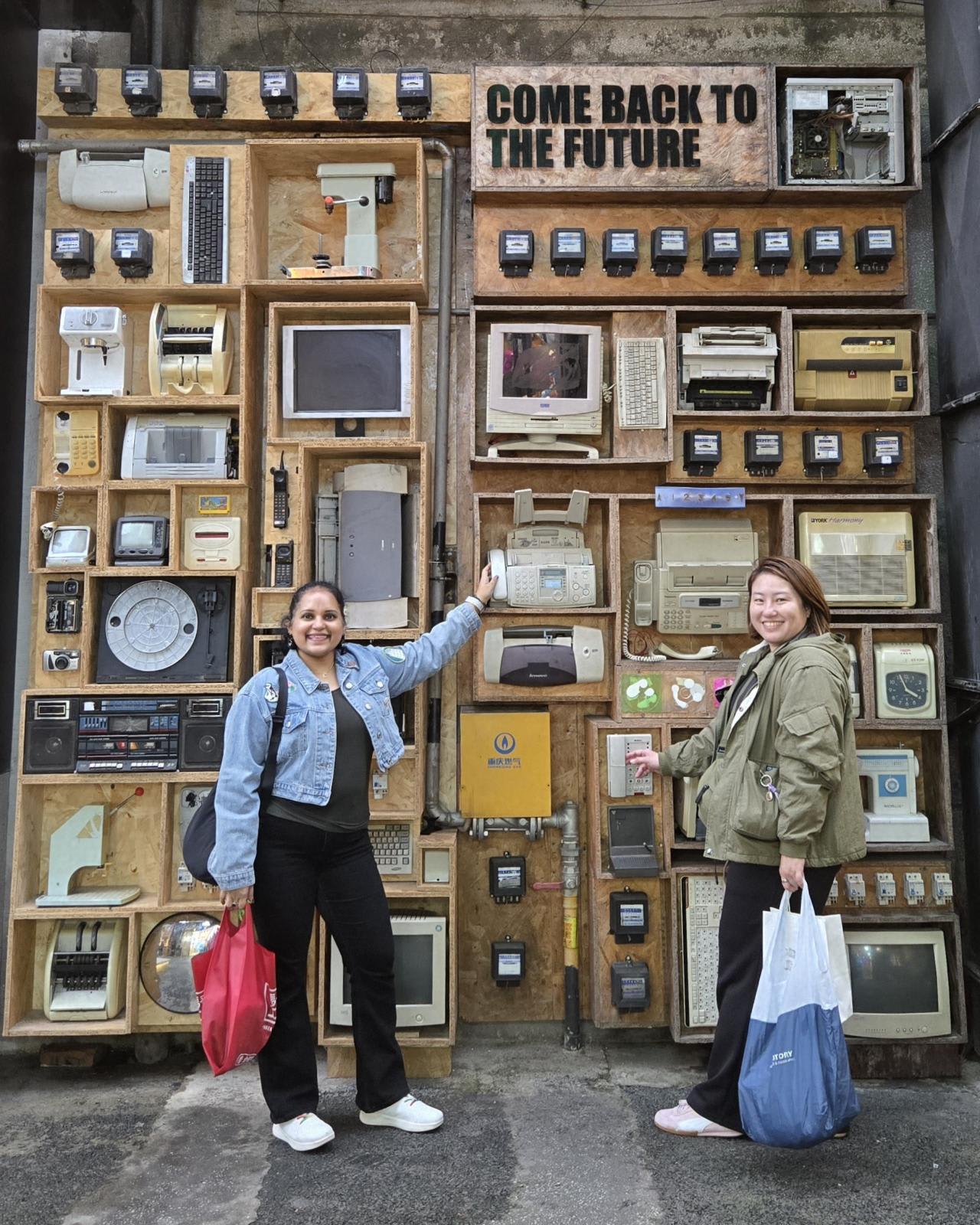
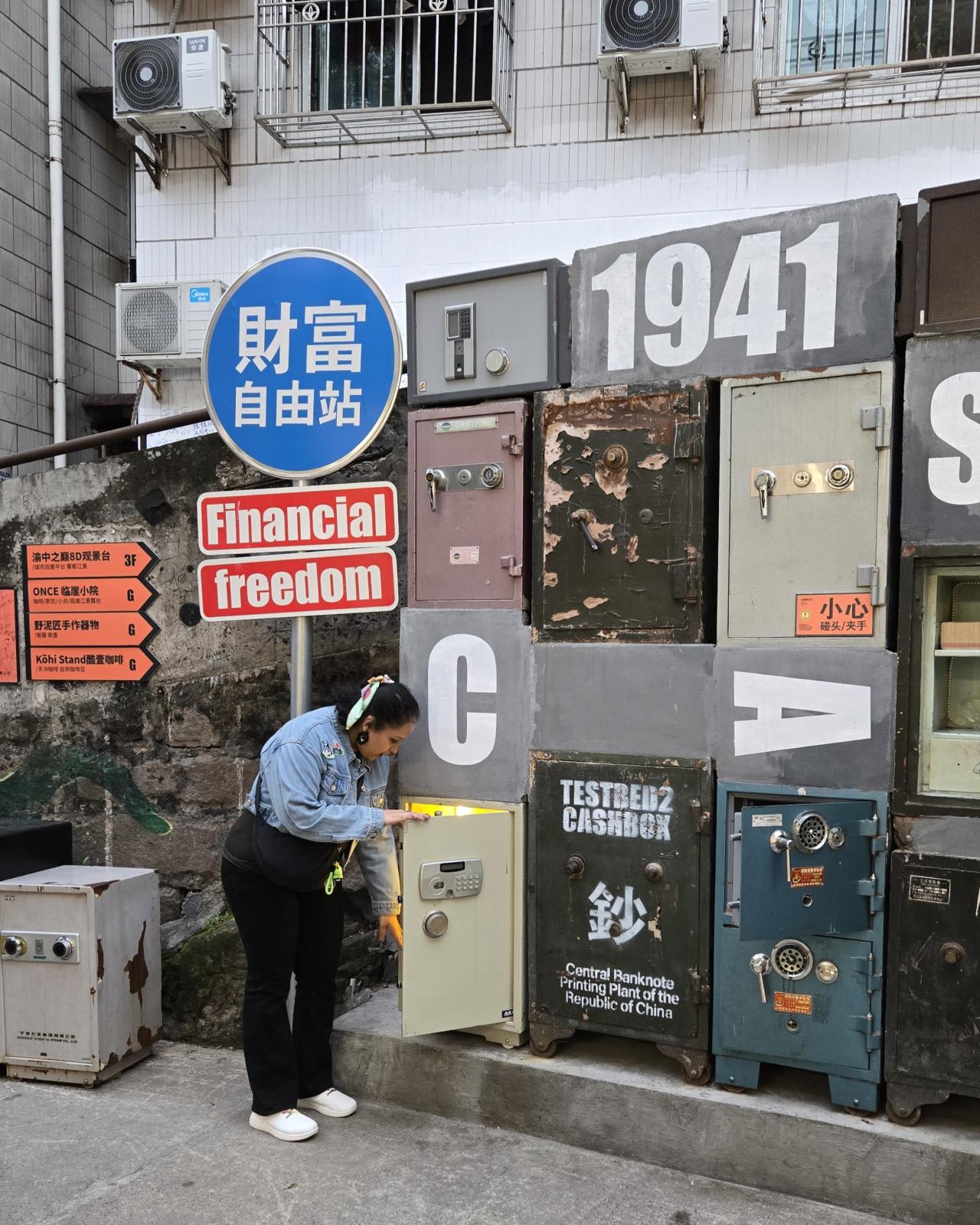
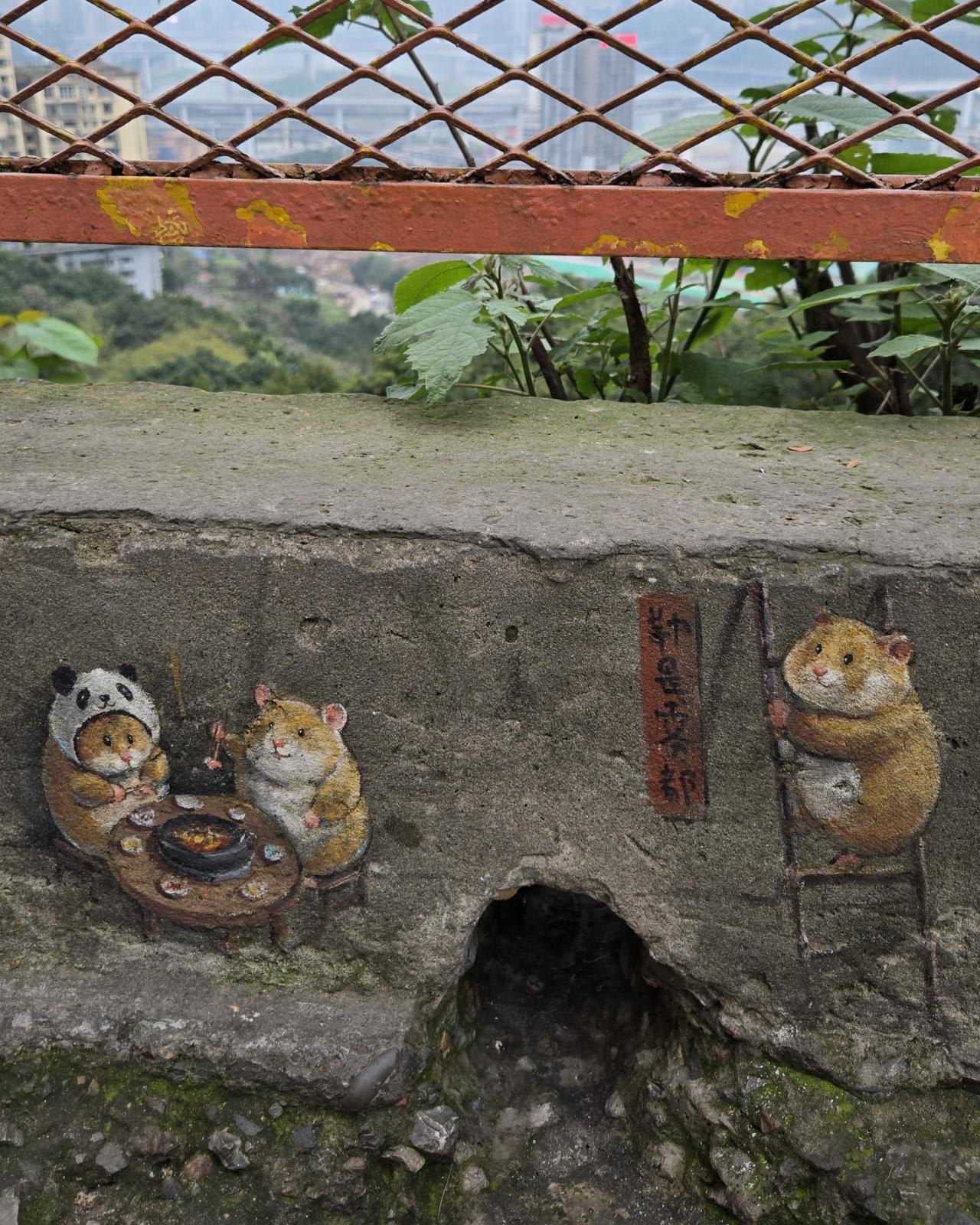
Back in the main city, Testbed 2 (Erchang), a former printing factory, is Chongqing's creative heart and it's easy to see why, with its mix of local boutiques, quirky Instagram spots and stunning mountain top views over the river.
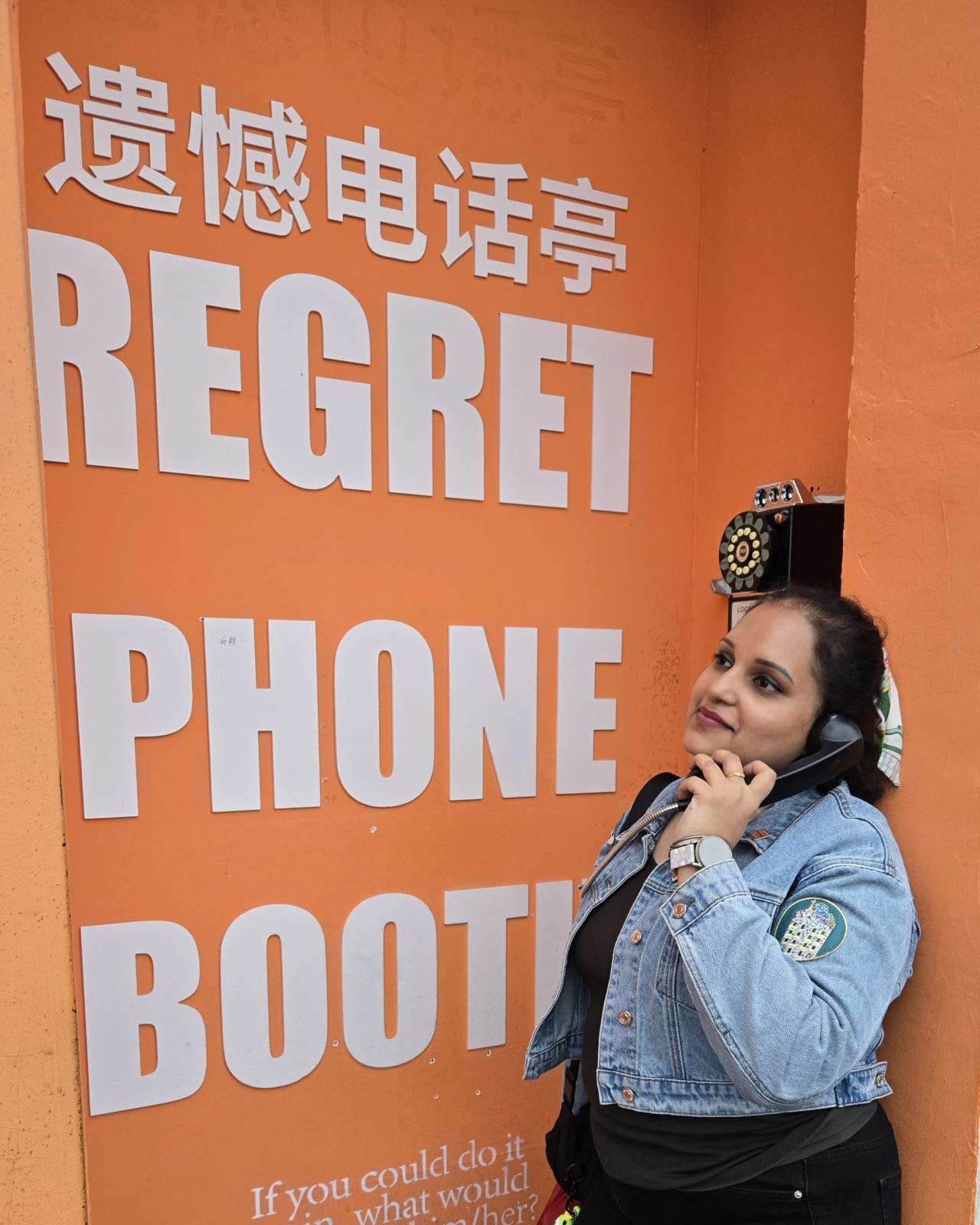
My favourite installation there was the "Regret Phone Booth", which poses the poignant question: "If you could do it again, what would you say to him/her?"
On our last day, we rode the Yangtze River Cableway that connects the south and north sides of the city, which is split by the river.
We boarded from the south side to explore the untouched north. Be sure to try and snag the prime window seats, which will reward you with panoramic views from a different perspective.
Upon reaching the north side, we indulged in a professional photo to capture the cableway, skyline, and the Yangtze. In true Chinese fashion, our photographer directed us on how to pose, which resulted in excellent photos.
MALA HOTPOT SPA, ANYONE?
During the trip, my friend stumbled upon a uniquely Chongqing offering: a mala hotpot foot massage in Yuzhong District which was walking distance to the Hongyadong Ferry Terminal.
This involves soaking your feet in 18 ingredients, including ginger, peppercorns and chillies – basically a mala hotpot.
Rooted in traditional Chinese medicine, it is designed to "expel dampness" in the city's foggy climate.
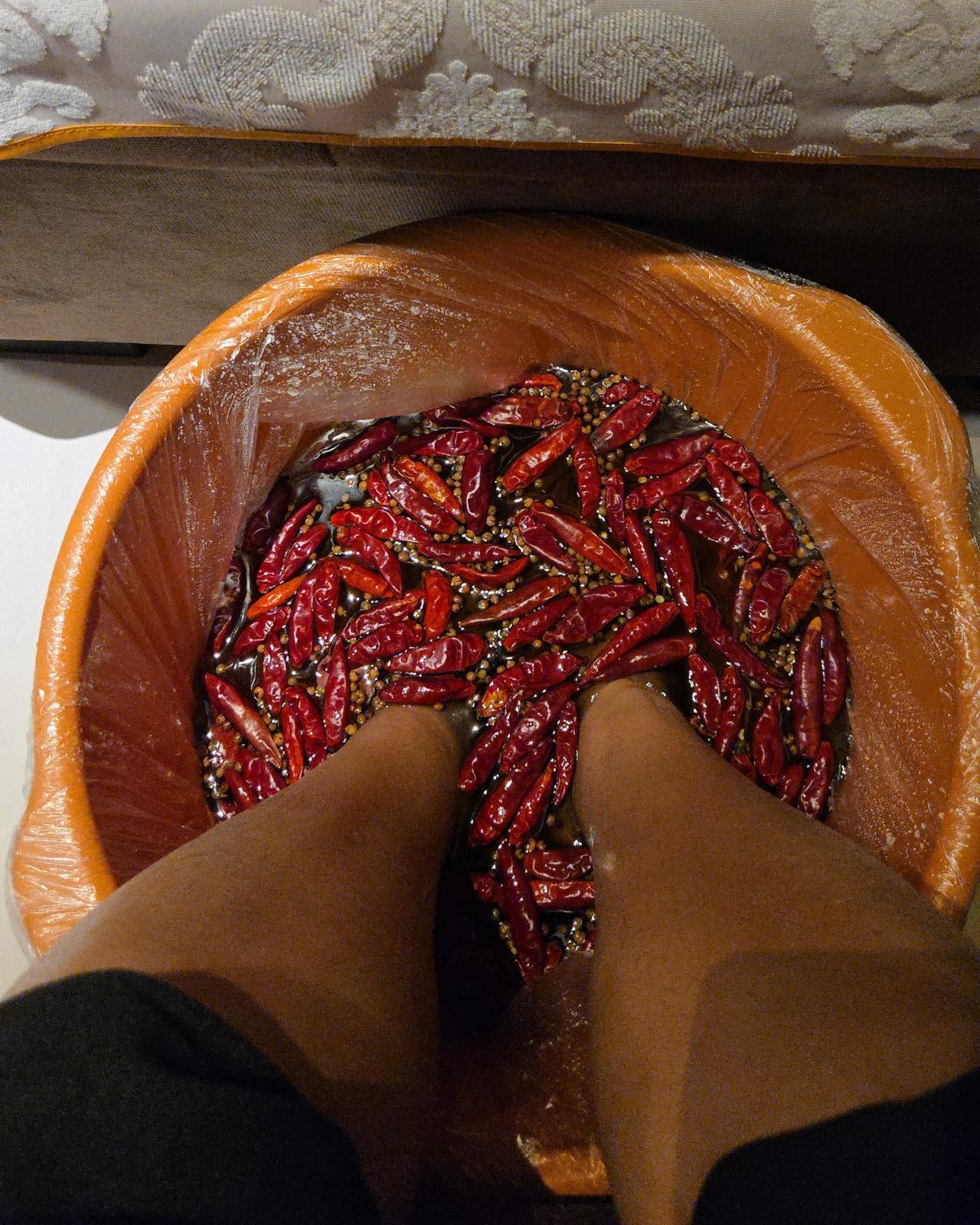
Sceptical but intrigued, we gave it a try. Despite my nerves, I enjoyed the experience. My feet soaked up the goodness of the herbs without any burning or stinging sensation. The soak was followed by an energising foot reflexology massage.
The whole experience cost 80 yuan (US$11.72) and I definitely recommend it for the novelty.
A FOOD PARADISE
Before the trip, I had been warned that food in Chongqing would be very spicy and oily, and to expect the cuisine to be "mala on steroids".
I prepared myself for this by carrying charcoal pills and digestion medication.
However, I was pleasantly surprised by the food in Chongqing. As someone who doesn’t eat beef, the menus were easy to navigate: anything labelled "meat" is pork by default, and beef and chicken dishes are clearly labelled.
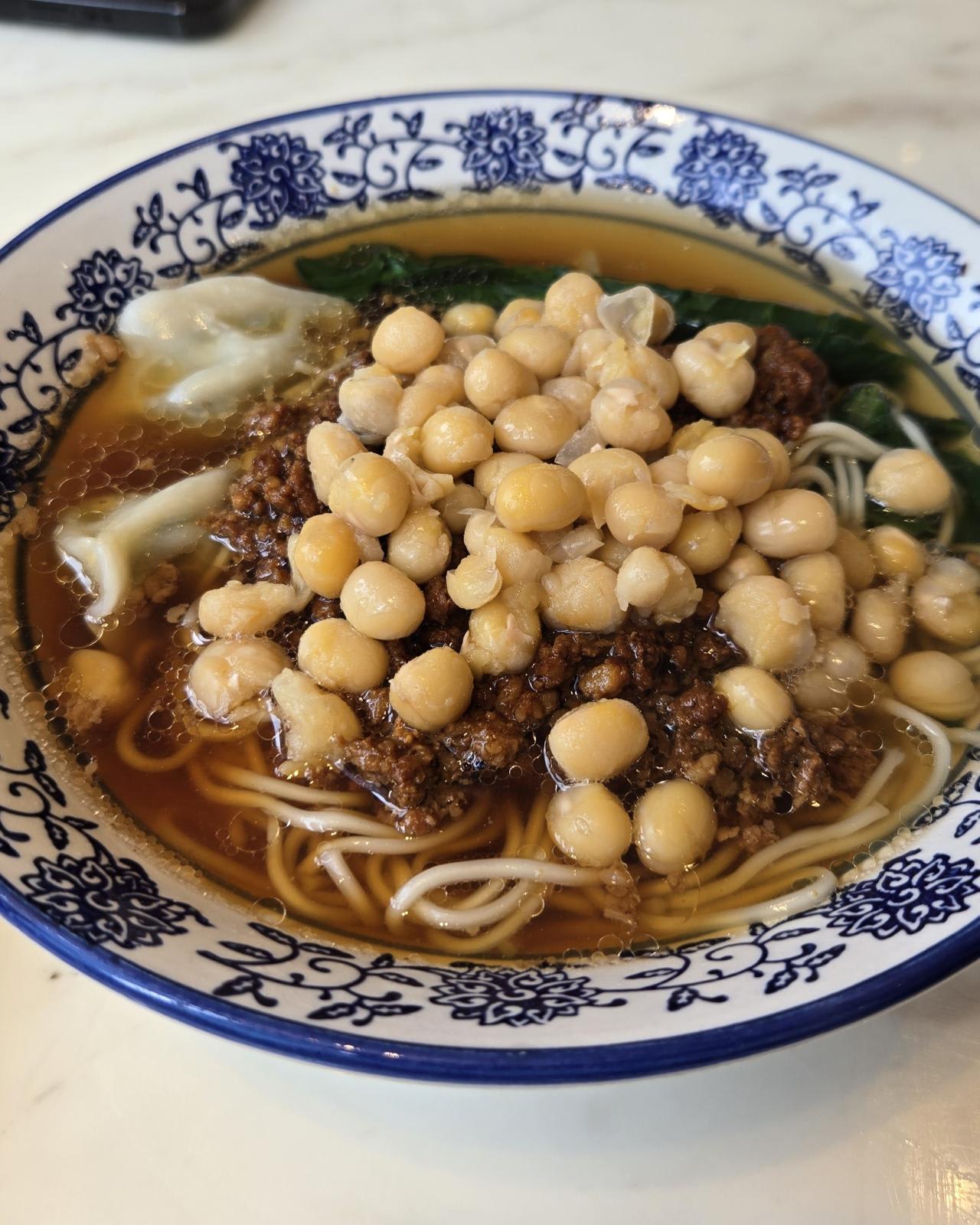
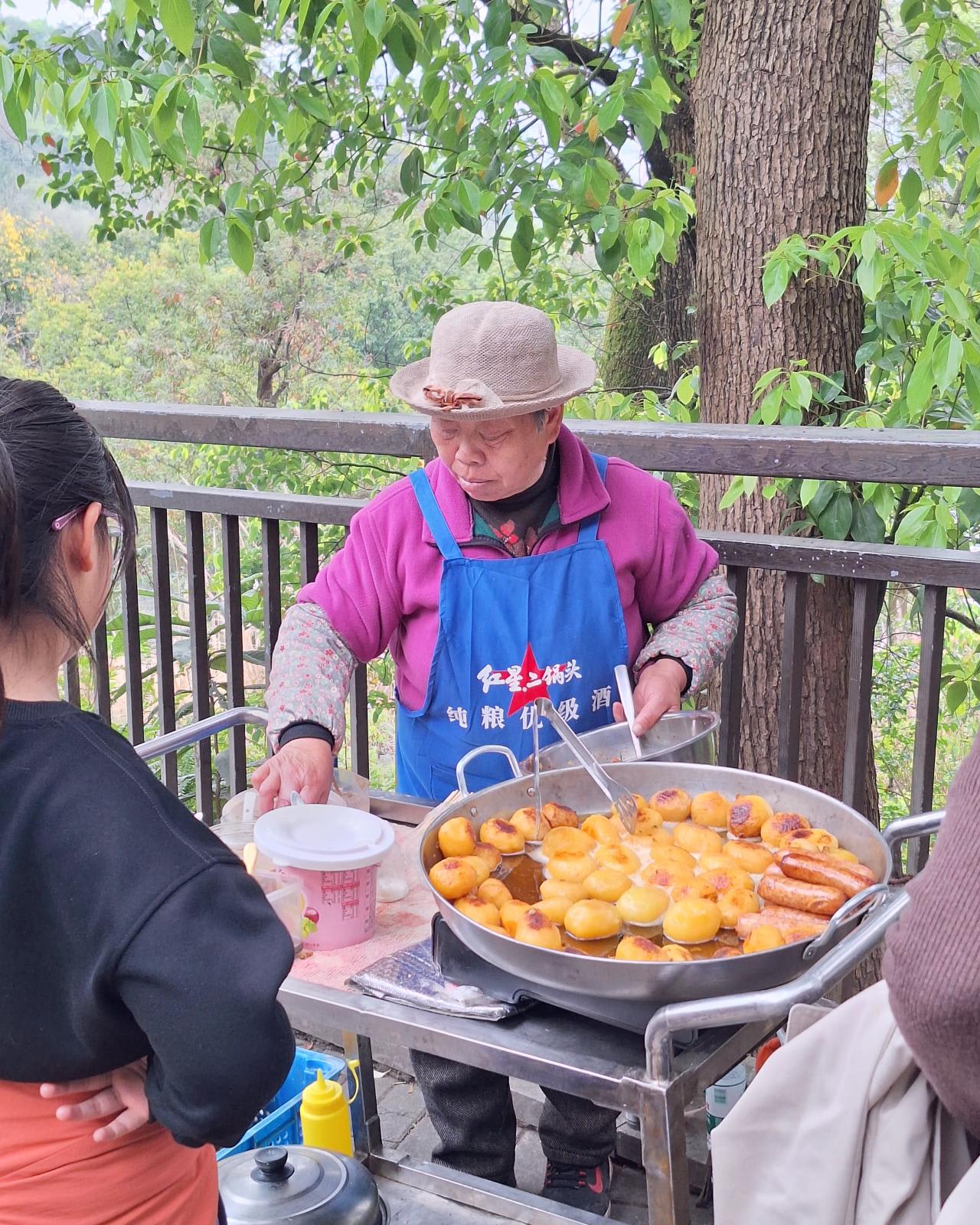
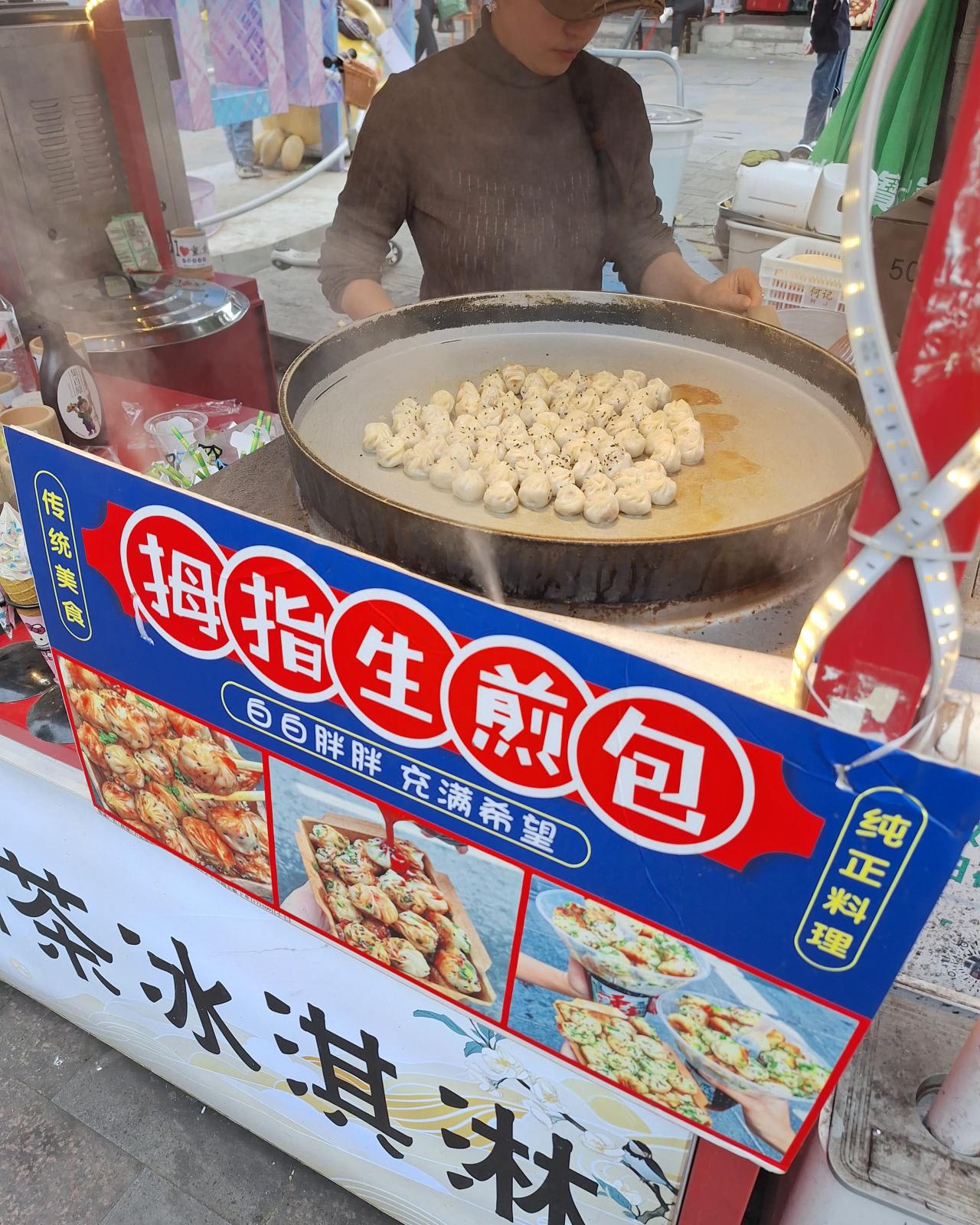
The standout dish of the trip for me was the wan za mian, soup noodles topped with minced pork and white pea sauce, which was comforting and addictive.
This dish is a Chongqing staple and can be found across the city from restaurants to small food stalls. Hot tip: You can customise the spice levels to your preference.
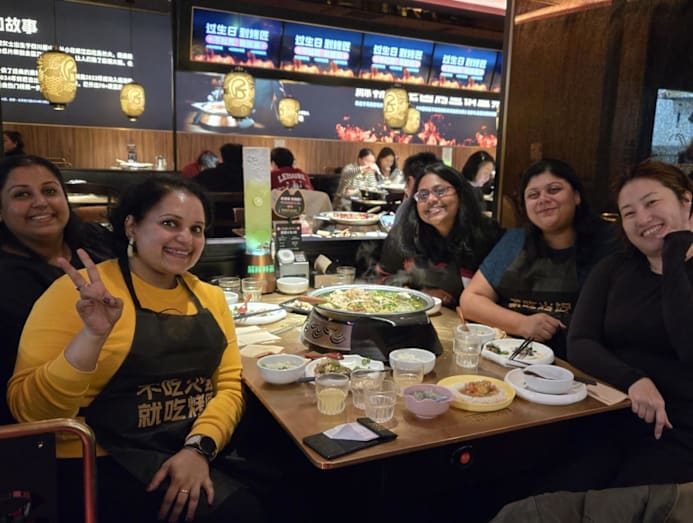
Another Chongqing must have: the ubiquitous meat skewers. Surprisingly, the ones I tried at Kaojiang Spicy Grilled Fish were outstanding. While the restaurant's signature fish dish was very fresh and tasty, the black pepper pork and lamb skewers far eclipsed it.
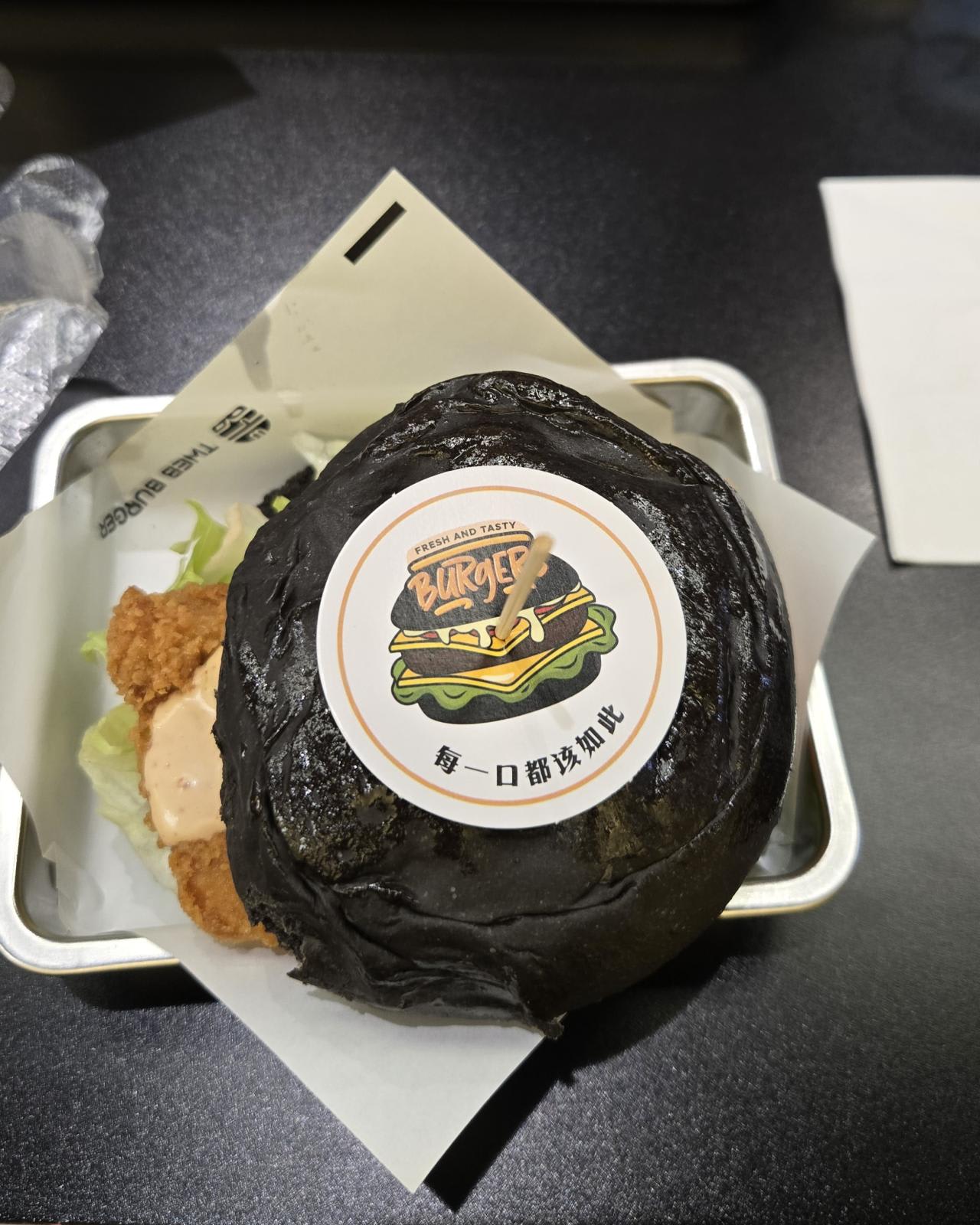
Tweb Burgers offered a break from the local food in the form of juicy and tender burgers with charcoal buns. I had the fried chicken burger, one of two chicken options, and absolutely loved it. Their sides were great too, and we especially enjoyed the onion rings that came with an addictive packet of seasoning (think shaker fries) which was so good that we went back for a second serving.
In my mind, a visit to China would have been incomplete without bubble tea, so I set out to try a drink from the viral Cha Yan Yue Se chain. But while I enjoyed the topping of light cream with crunchy pecan bits, I was disappointed by the milk tea itself. I enjoyed the fruity teas at Fangsi and Mixue a lot more.
The real joy of eating in Chongqing was the sheer variety, which quickly dispelled the notion that every meal would be a nuclear spice challenge.
It was the cherry on top of a city that far exceeded my expectations and served as a wonderful introduction to China. Safe to say, I am hooked and looking forward to exploring more of China and its many gastronomical delights.