Tired, sick or rundown while travelling for a holiday? Here’s what your body is telling you
Doctors explain why “leisure sickness” happens and how to keep your immune system from crashing the moment you relax.
(Photo: iStock/yuki-ramen1025)

This audio is generated by an AI tool.


It is the worst feeling in the world. You’ve put in OT to clear your work (mostly) for the year, and you’re finally on a much-anticipated holiday – whether it’s to visit the elevated park of New York City’s High Line, or Marrakesh’s ancient spice-filled souks.
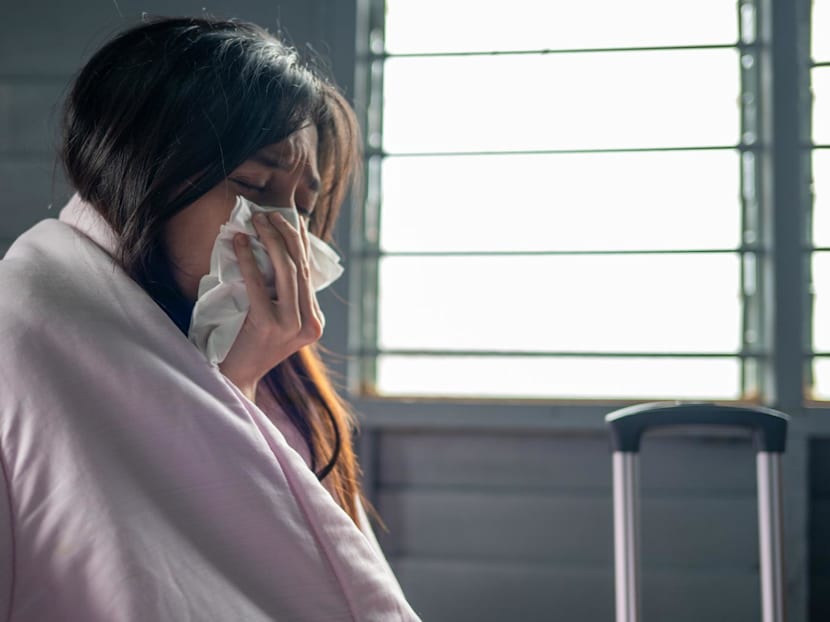
But a day in and you’re already feeling the dreaded itch at the back of your throat signalling the beginning of a cold. Or worse, the rumblings of a diarrhoea that end up confining you to your hotel room for the rest of your trip. Why does your body conspire to thwart your holiday plans? Every. Single. Time.
Dubbed “leisure sickness”, it is a pattern where people feel unwell or fall ill just as they finally take time off from work, said Dr Ong Li Anne, an associate consultant with Ng Teng Fong General Hospital’s (NTFGH) Psychiatry department. It is not a recognised psychiatric diagnosis (sorry, you can’t get an MC for it), she said, although it is as unwelcomed as that feeling after a long weekend off work.
“It tends to occur in those who struggle with transitioning from working to not working, especially for individuals in high-pressure jobs, and those who tend to hold high expectations of themselves,” said Dr Ong.
Dr Woo Han Yang, a general practitioner from Doctor Anywhere, also attributed this sick feeling to “a more psychological cause”. “I have not encountered patients who report feeling unwell upon starting their holidays.” More often, he said, patients see him for food poisoning or respiratory-related illnesses “due to abrupt changes in climate and weather” after returning from overseas.
No matter the timing, it’s no fun to fall sick. Here’s a look at what may make you think that your health is just trying to ruin your holiday.
IS IT BECAUSE OF STRESS?
To a large extent, yes. You’d think that you’d be better equipped to cope with stress after living with it for the most part of 2025. Unfortunately, your health is paying the price, especially during the last few months of the year when you’re extra stressed.
“When we are under the pressure of year-end deadlines, our bodies enter a state of high alert, triggering a ‘fight or flight’ response” that “releases a cocktail of stress hormones, primarily adrenaline and cortisol”, explained senior consultant Dr Yee Szemen, who also heads NTFGH’s Endocrinology Division.
“These hormones are powerful suppressants of the immune system in the long term. When stress hormones are chronically high, it essentially tells our immune cells – our body's security guards – to stand down, so the body can divert all energy toward managing the stress.”
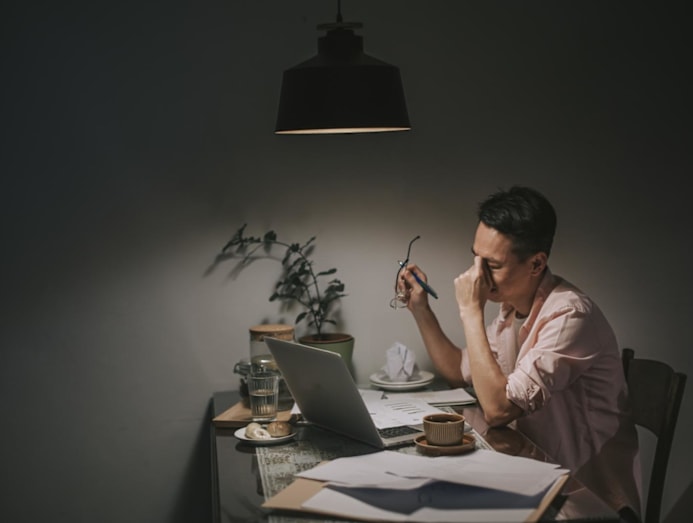
This suppression, continued Dr Yee, may reduce your body’s capacity to fight off common cold and flu viruses, making you more vulnerable to catching an illness right when you least want to.
Dr Ong added that “when we finally have a chance to relax, our immune system can shift and become reactive to viruses and the like, which could explain why some people start to feel unwell just as they take a break”.
“Also, when people slow down, they become more aware of their bodies,” said Dr Ong. “Symptoms like fatigue, aches, and other discomforts that were previously ignored can feel more prominent when we have time away from busy schedules.”
HOW DOES TRAVEL MAKE YOU SICK?
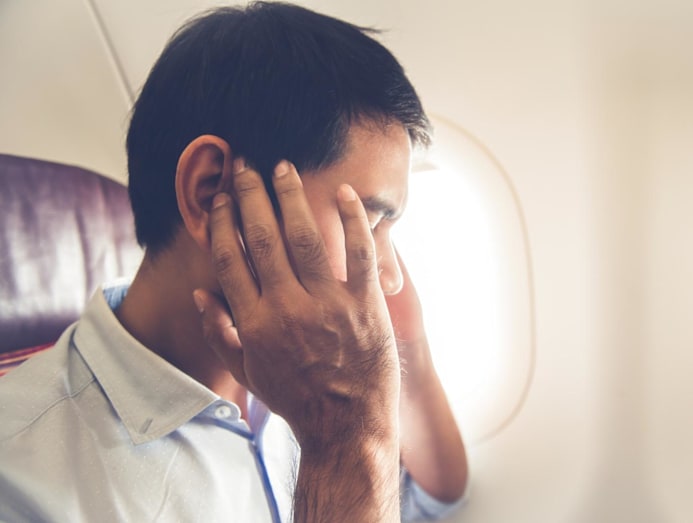
For starters, blame the dry cabin air in the plane. “The linings of our nose and throat contain sticky mucus that helps trap foreign particles such as dust, viruses, and bacteria,” explained Dr Woo. “This mucus is then either expelled from the body, or swallowed and broken down by stomach acid.”
However, dry air leads to dried-out mucus, which is not effective at doing its job, he said. “As a result, foreign particles can travel to places they are not meant to, such as the lungs, where they may cause problems and infections.”
Interestingly, Dr Woo noticed that air travel itself is often not the direct cause of illness. “Patients almost always appear healthy on their outgoing flights. It is typically after settling into the new environment that symptoms develop, usually within the first few days.”
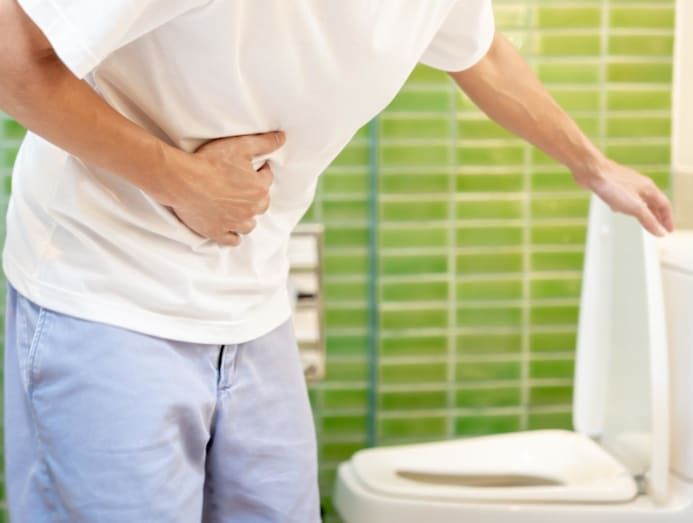
Diarrhoea is, by far, the most common complaint, said Dr Woo, and it’s often linked to the differences in food preparation standards, local bacteria, or water contamination.
“Being in a foreign environment with different climates, unfamiliar surroundings, and sometimes language barriers, can make it challenging to communicate symptoms effectively and receive timely care,” said Dr Woo.
“These factors can contribute to feeling unwell or vulnerable abroad. At the end of the day, nothing compares to the comfort and familiarity of home when it comes to recovery and peace of mind.”
ARE THERE OTHER REASONS?
Even if you’re not travelling, the holiday season is a time for gatherings and unfortunately, it also creates more opportunities for falling ill, said Dr Woo.
“You have more time to meet friends, family, and loved ones. You do your Christmas shopping in crowded malls with thousands of others celebrating as well. You come into contact with many more people than usual, multiplying your chances of catching a bug from someone else.”
And with all the imbibing and toasting you'll be doing, your immune system will also function less effectively. According to Dr Woo, alcohol intoxication is known to "impair normal physiological processes and weaken immune defences”.

Another reason that could make you fall ill is exercise – when you go overboard. “There is an ‘open window theory’, which describes a period of temporary immune suppression that can occur following prolonged, strenuous exercise,” said Dr Woo.
Coupled with the elevated stress hormone levels, over-zealous exercise may reduce the immune function, leaving the body more susceptible to infections. “While this effect is usually short-lived, it highlights the importance of balancing intense physical activity with adequate recovery and overall health maintenance,” he said.
HOW DO YOU PREVENT FALLING SICK DURING THE FESTIVE PERIOD?
When travelling, you can’t go wrong “practising safe eating and drinking habits abroad such as consuming bottled water, avoiding raw or undercooked foods, and being mindful of hygiene”, said Dr Woo.
As for supplements to safeguard your health, he emphasised that the fundamentals matter most. “A balanced diet, regular physical activity, and adequate rest are the cornerstones of a healthy immune system,” he said. “In some cases, I may suggest a multivitamin, but it’s important to remember that no supplement can replace the benefits of these basics.”

On the whole, it helps to change your POV on rest, advised Dr Ong. “It can be helpful to think of stress regulation as an ongoing process throughout the year. For the body, rest is not an on-off switch but works as a gradual adjustment.”
Her tips: Focus on a few core tenets of a healthy lifestyle to avoid shocking your system. “Pace yourself and take regular breaks at work. Stay physically active and keep a social calendar of people and things that bring you joy. Practise mindfulness, good sleep hygiene and have a balanced diet.”
Dr Ong added that the goal is to maintain an overall more regulated state throughout the year. “This allows us to enjoy transitioning into the holidays as a gradual shift rather than an abrupt switch.”