Can you build muscles without touching a dumbbell? Here’s what experts say
From Hyrox to Pilates, resistance bands and even yoga, experts explain what actually builds muscles – and why it gets harder with age.
(Photo: iStock/iprogressman)

This audio is generated by an AI tool.


There are over 600 muscles in the human body but the only times you might notice them is when you have a cramp or strain. Or you might be on the wrong side of your 40s – and you seriously want to do something about sarcopenia, the dreaded age-related muscle loss. (Scroll on if you’re already following a fitness programme or know what to do.)
Here’s the thing: Yes, you want strength but no, you don’t want to look like Ronnie Coleman (Google him). Besides, you’re not sure about stepping into a testosterone-charged gym where everyone and everything look like they could knock you out.
You have questions, too. Like, can you do yoga or Pilates instead? Does tugging on a resistance band count? What about sit-ups and push-ups? Must you sign up for Hyrox to build muscles worthy of Physical: Asia’s Amotti?
In short, can you build muscles without touching a single dumbbell? But first…
WHY SHOULD YOU BUILD MUSCLES AT ALL?
Much has been said about sarcopenia – and its inevitability in middle age – but for the sake of the Gen Xers and elder millennials at the back, here’s why again: You’ll want to have the minimal strength to get up from the chair in your senior years.
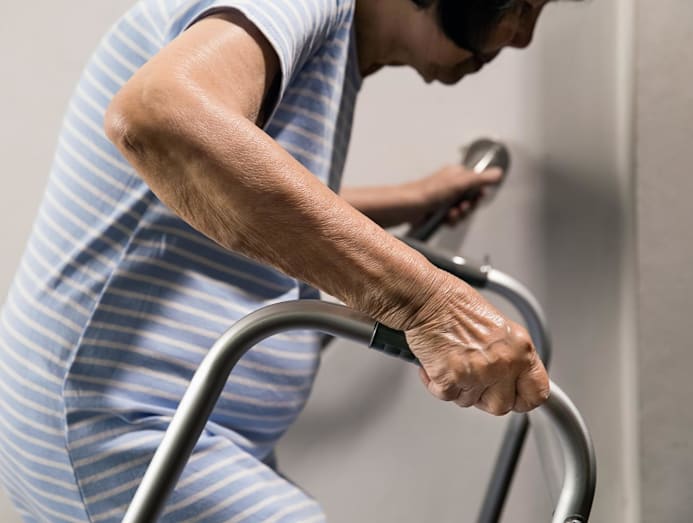
Reduced muscle mass and strength “would make it harder to perform daily activities or play sports that one was used to doing”, said Dr Leong Jiajie Nicholas, an associate consultant sports physician with Tan Tock Seng Hospital’s (TTSH) Sports Medicine & Surgery Clinic. “This can lead to reduced independence and a poorer quality of life.”
And it’s not about aesthetics either, though looking trim and healthy are a definite bonus.
“Strength training also confers the same general benefits as any form of regular physical activity of moderate intensity,” said Dr Leong. “These include reducing risk factors for chronic metabolic diseases such diabetes, hypertension as well as improvements in mental health and sleep.
AREN’T MUSCLES JUST, WELL, MUSCLES?
There are three main types of muscles in your body: skeletal, cardiac (they make up your heart) and smooth (found in organs such as the gut, bladder, uterus and blood vessels). Skeletal muscles, the ones connected to bones, tendons and ligaments – and responsible for moving your body – are what we’re talking about here.
Each skeletal muscle consists of bundles of small muscle fibres or myofibrils that are woven together like a quilt. “During strength training, we cause microscopic tears in the muscle fibres,” explained Isaac Lim, a senior physiotherapist with Core Concepts. “Our body then repairs these microscopic tears, resulting in a larger cross-sectional area of those muscles.”
Not all skeletal muscles are the same, of course. Endurance activities such as marathon running, cycling and even daily movements such as sitting upright rely on slow-twitch or type I muscle fibres that are more resistant to fatigue. Fast-twitch or type II muscle fibres are the ones that generate powerful but short movements, and they tire out quickly.
Most people are born with about 50 per cent slow-twitch and 50 per cent fast-twitch muscle fibres. But with training, you can develop a higher percentage of either type of muscle fibres.
On the molecular level, muscle building is powered by mitochondria, the powerhouses of your cells, said Dr Claudine Pang, the founder of Asia Longevity, who is board-certified by the American Board of Anti-Aging/Regenerative Medicine.
“They are tiny structures within our cells responsible for taking nutrients and converting them into adenosine triphosphate (ATP), which our cells use for energy,” she said. In other words, mitochondria produce the fuel for your body’s energy, especially when it comes to exercise that involves muscle contraction. “If you have too few or poor-quality mitochondria, this will limit your ability for muscle-building and hypertrophy.”
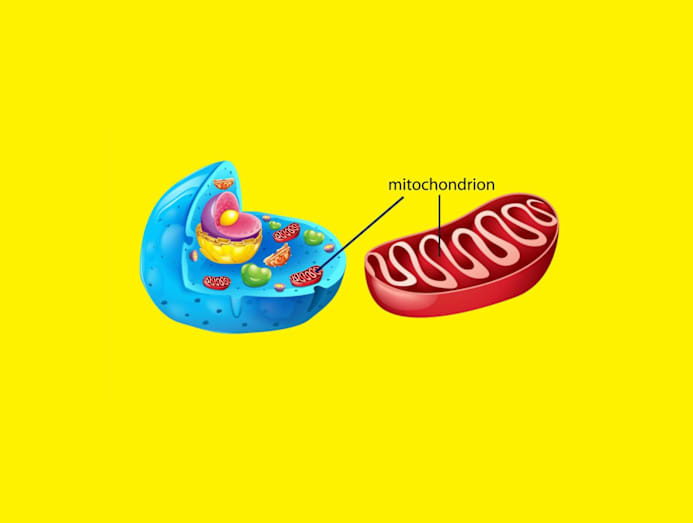
In fact, there is a symbiotic-like relationship between exercise and mitochondria, said Dr Pang. “Exercise has been shown to impact mitochondria by driving the creation of new mitochondria. Exercise improves the quality of mitochondria, which then powers exercise better, resulting in better performance and muscle growth.”
DOES MUSCLE SIZE MATTER?
Having bigger muscles doesn’t always mean having greater strength and power, said Eng Xue Wen, a senior physiotherapist with TTSH’s Sports Physiotherapy Clinic.
Strength is not only dependent on muscle size but also your neural efficiency, she explained. “Strength depends heavily on your nervous system’s ability to recruit and coordinate the muscle fibres in multiple muscles to fire synchronously to produce a movement. For instance, Bruce Lee, a legendary martial artist, was widely known for his lean build but remarkable strength and power. A bodybuilder may have larger muscles but he may also have less efficient neural recruitment patterns,” said Eng.
And yes, power, too, is also important. “While strength and power are often used interchangeably in everyday conversation, they represent two distinct qualities in physical performance,” said Lim. “Strength refers to the ability of a muscle or group of muscles to exert force against resistance. Power, on the other hand, combines force with speed.”
Both strength and power, continued Lim, help you to move more efficiently. “Strength provides the foundation for stability and load tolerance, while power supports quick, dynamic actions.”
SO CAN YOU BUILD MUSCLES WITHOUT TOUCHING A SINGLE DUMBBELL?
Yes, you can, said Deon Tan, a senior physiotherapist with Changi General Hospital’s (CGH) Physiotherapy Department. “Muscles grow when they are challenged through progressive overload, which means gradually increasing the difficulty of your exercises over time. While weights make this process easier to track and adjust, they are not the only way to achieve it.”
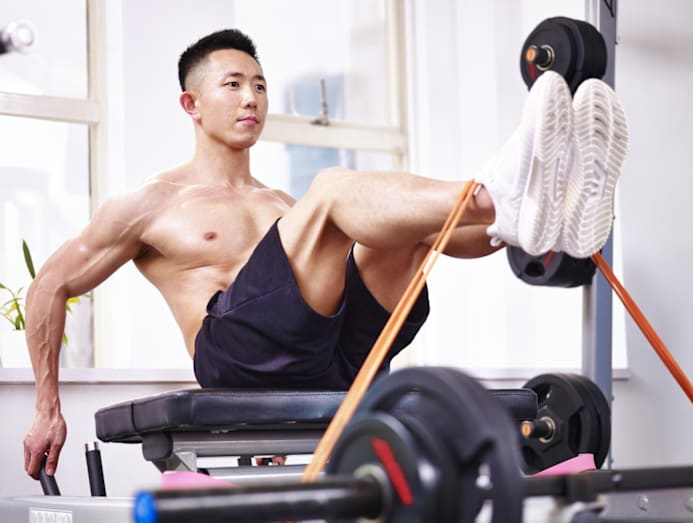
To build muscle, the key is mechanical tension, said Benson Poh, the founder and director of Vigeo Personal Training. “A muscle must be challenged close to its limit with enough load and repetitions until you can barely complete more repetitions with proper control.”
Lim agreed: “If we are making the exercises more difficult and constantly challenging ourselves, we will get stronger. Whether through home-based bodyweight workouts or using resistant bands, as long as we are exercising harder than the last time, we will build muscles”.
And yes, even a resistance band can do the job. “They add external tension to basic movements, helping your muscles work harder through a full range of motion without need for heavy equipment,” explained Jean Behrend, a clinical exercise physiologist from CGH’s Rehabilitative Disciplines.
Slowing down your movements and making “small adjustments in body positions, like extending your limbs or adjusting your angle, increases load and make familiar exercises harder”, suggested Behrend. “However, as you get stronger, you’ll need to increase resistance for further progression.”
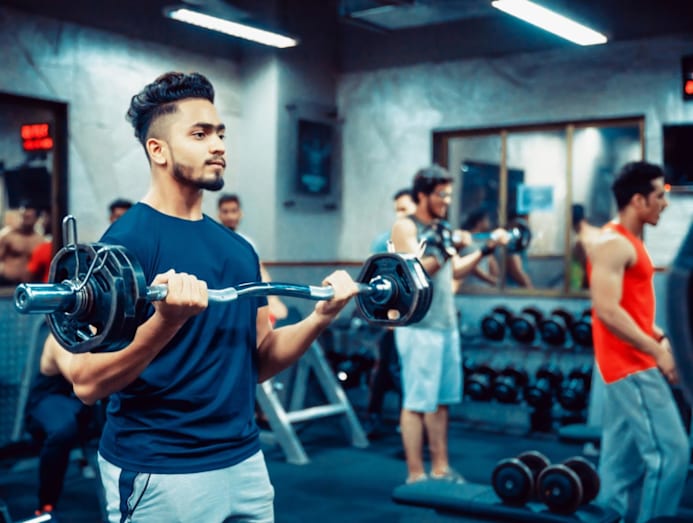
As for why strength training is often associated with the gym, that’s because the equipment there easily lets you track muscle-growing parameters such as the weight used, repetitions performed, and duration you put your muscles under tension, said Lim. “Machines also help to ensure proper and consistent form while doing these exercises.”
Furthermore, gyms provide a wide range of weights that let you challenge different muscles in the body from different directions and angles, and at an intensity that is high enough for your body to get stronger, said Poh.
CAN HYROX OR EVEN YOGA BUILD MUSCLES?
There is actually a variety of workouts that help with building strength and power – some more effective than others. Here’s a look:
HYROX
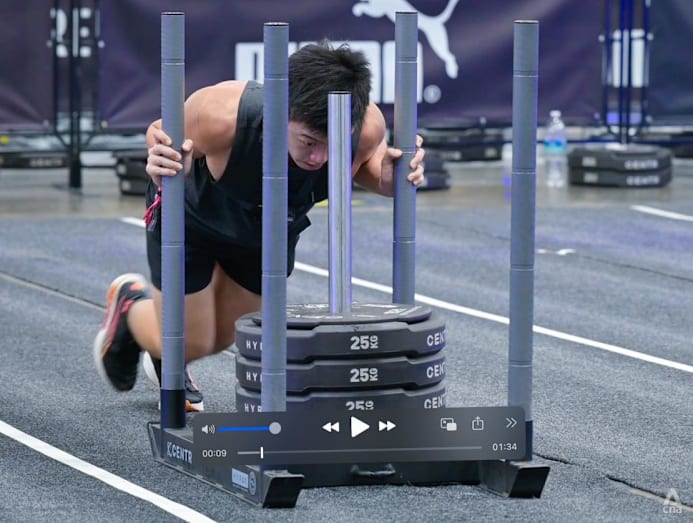
- What is it? This indoor fitness competition alternates eight 1-km runs with eight workout stations, including SkiErg, sled pushes and pulls, burpee broad jumps, rowing, farmers carry, sandbag lunges and wall balls. It’s a timed race, so completing the stations fast is key.
Can it build muscles? “Hyrox improves functional strength and endurance, but may not isolate muscle growth as effectively as traditional lifting,” said Lim.
Poh added that while the sleds and lunges can offer some lower-body strength challenges, “the load is usually too light and too endurance-focused to create high mechanical tension, so it’s not ideal for muscle growing”.
CROSSFIT
- What is it? It is a high-intensity fitness programme that features functional movements such as weightlifting (eg. power cleans), gymnastics (eg. pull-ups) and cardiovascular exercises (eg. running, rowing and biking). Each day’s programme changes and the exercises are done with maximum effort, which means working with the heaviest load you can handle.
- Can it build muscles? Heavy lifts can certainly build muscle and strength, said Poh. However, Crossfit’s emphasis is not on muscle growth but speed, which can lead to technique failure under fatigue – and potentially, injuries, he said.
HIIT (HIGH-INTENSITY INTERVAL TRAINING)
- What is it? An efficient workout style (no longer than 30 minutes per session) that alternates short bursts of all-out exercise (such as sprinting or burpees) with brief recovery periods of walking or rest. The emphasis is on exercising within 80 to 95 per cent of your maximum heart rate to max out fat burning, even post-workout.
Can it build muscles? “The short bursts of effort followed by rest can build muscle endurance but may not maximise muscle size,” said Lim.
Poh added that “the loads used are often too light, and the high-impact drills can stress joints without much muscle gain”. “But HIIT is great if you want to boost your calorie burn in a time-efficient way, he said.
CALISTHENICS
- What is it? It is a form of strength training that utilises your body weight as resistance. Exercises can include planks, push-ups, squats, pull-ups and crunches.
- Can it build muscles? “Calisthenics can build good upper body and core muscle if progressed properly,” said Poh. However, it is more difficult to overload some parts of the body such as the legs. “It needs smart progressions to keep your muscles challenged.”
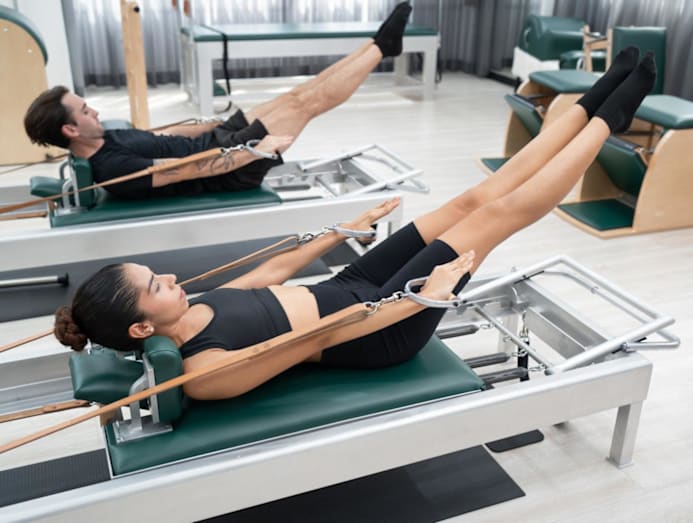
PILATES
- What is it? It is a mind-body exercise that focuses on core strength, posture, flexibility and body control through controlled movements and precise breathing – and is performed on a mat or spring-loaded equipment such as the reformer or cadillac. “Rather than focusing on how many repetitions you can do, Pilates emphasises the quality of each movement,” said Dipti Mistry, a Pilates instructor at UFIT.
Can it build muscles? “Pilates is a form of strength training, but it’s designed to improve control, stability, posture, and muscular endurance rather than maximise muscle size,” said Mistry. “You’ll build strength and tone the body, but you generally won’t see the same increases in muscle mass as you would with gym-based strength training.”
Pilates, however, is an excellent complement to strength training, she added. “It improves movement quality, core strength, mobility, flexibility and alignment – all of which support safer, stronger lifts and more balanced overall strength.” However, building longer muscles is something else altogether.
YOGA
- What is it? Yoga is an ancient Indian practice combining physical postures (asanas), breathing techniques (pranayama), and meditation to promote strength, flexibility and inner peace.
- Can it build muscles? Yoga can help with muscle building to some extent, said Dr Leong. “With the lower intensity, and controlled and steady movements, yoga targets and activates more of the slow-twitch muscle fibres. These muscle fibres use aerobic respiration to generate energy as well as fatty acids and glucose as fuel. As such, lean muscles are indeed achievable as the fat stores in the body would be burned with prolonged and consistent sessions of yoga.”
WHY IS MUSCLE BUILDING SO DIFFICULT WITH AGE?
Building muscles in your 40s is more difficult than in your 20s and 30s because you have a lower muscle fibre count to begin with, said Lim. “When we are older, there is also a lower concentration of anabolic hormones that are crucial in muscle building.”
But this is not to say that past age 30, it is impossible to build muscles, Lim emphasised. “We should continue exercising and working out, but improvements in strength and mass might slow down as we age.”
Another reason to keep active: remember mitochondria, those cell powerhouses? As you age, their efficiency drops, which then leads to reduced ATP levels; this affects muscle protein synthesis and repair. Furthermore, ageing mitochondria produce more free radicals as a by-product of energy production. But the good news is, regular exercise, especially strength training, can mitigate those effects.
HOW SHOULD YOU TRAIN?
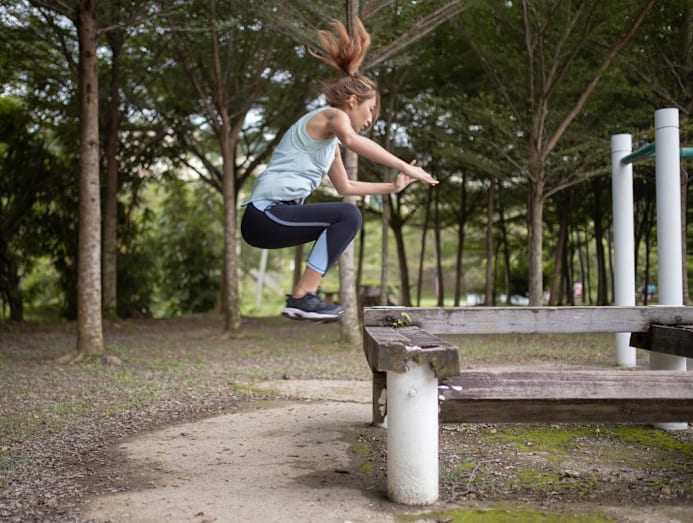
“If your fitness goals involve strength and power, you’ll want to focus on training type II muscle fibres,” noted the National Academy of Sports Medicine in the US. “These fibres also tend to achieve hypertrophy (or muscle growth) easily.” That means focusing on explosive workouts such as box jumps, burpees and sprinting. When strength training, focus on moving slower against gravity or resistance.
For most adults, suggested Tan, two or three sessions per week are enough to stimulate muscle growth. For each exercise, perform eight to 12 repetitions for two to four sets. “Rest is also essential,” he said, advising 24 to 48 hours between sessions for recovery.

“It is advisable to begin with body weight exercises, especially if you are just starting out. Most importantly, your exercises should be pain free, and if you experience any persistent discomfort, stop, rest, and seek guidance from a professional,” said Tan.
There is hope, even for frail and injured individuals, said Dr Pang, who suggested starting off with pulsed electromagnetic fields (PEMF) to stimulate the mitochondria.
“PEMF is helpful as an adjunct, especially for people who cannot perform heavy resistance training – due to injury, joint issues, mobility limitations – to rebuild or maintain muscle mass,” said Dr Pang.
She emphasised that “PEMF cannot fully substitute the benefits of resistance training, which provides the mechanical load and metabolic stimulus that drives muscle growth”. “But it has been shown “to improve muscle strength and functional mobility, especially in those with poor mobility, or are frail or sedentary”.