Chasing the Chinese period drama look – inside Singapore’s growing makeover photo shoot trend
From Tang Dynasty-inspired attire to elaborate updos, period C-drama aesthetics are driving a growing makeover photo shoot trend in Singapore, both in studios and outdoor settings.
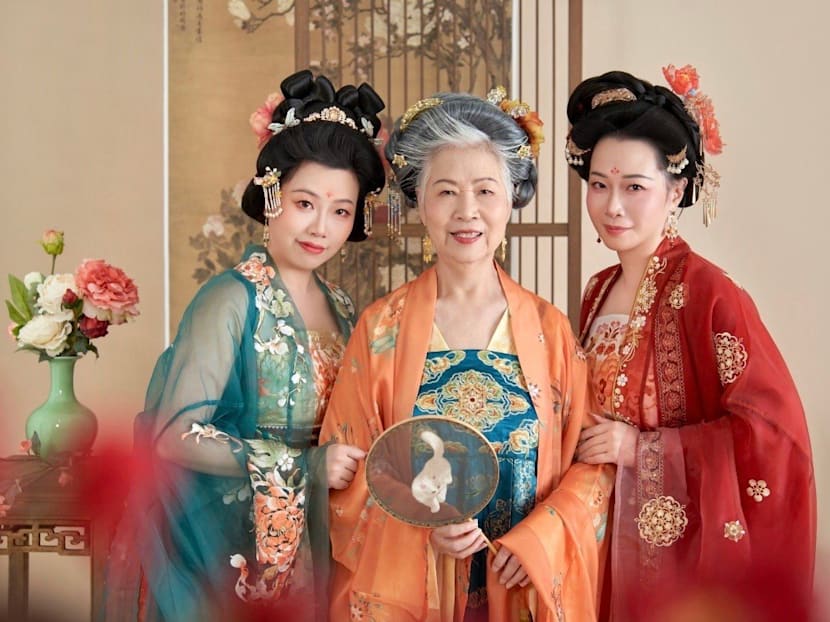
Cynthia Hou (right), her sister Bernice (left) and their 74-year-old mother wearing Tang Dynasty-inspired hanfu in their photo shoot. (Photo: Dressed Up Dreams)

This audio is generated by an AI tool.
Homemaker Cynthia Hou had always been fascinated by the opulence of the Tang Dynasty, remembered for its prosperity and lavish fashion. The 43-year-old often wondered what it would be like to dress up in the traditional attire of that era.
“I was especially drawn to its aesthetic richness. And on a slightly cheeky note, since I’m not exactly a standard-sized Asian, I like to think I might have fit the beauty ideals of that era quite well,” she quipped.
Hou had originally considered travelling to China for a photo shoot but discovered that the experience was available here in Singapore. She decided to turn it into a family outing with her sister and 74-year-old mother.
The trio spent seven-and-a-half hours getting styled in Tang Dynasty-inspired hanfu (traditional Chinese clothing), complete with elaborate updos and intricate accessories, before stepping in front of the camera. Even her mother was on board and needed no persuading.
“The whole experience was such a joy,” Hou said. “I didn’t realise how much thought went into every single detail – the outfits, colours, fabrics, hairstyles, accessories.”
Their experience reflects a growing appetite for Chinese-inspired makeovers as the aesthetics of period C-dramas spill into real life.
RENEWED APPRECIATION FOR CHINESE AESTHETICS
Local businesses say the trend is fuelled largely by the recent C-drama wave and a renewed interest in traditional Chinese aesthetics.
At hanfu photography studio Dressed Up Dreams, where Hou had her photos taken, demand for such photo shoots has risen by around 20 per cent in the past year, said photographer and creative director Sharon Ling.
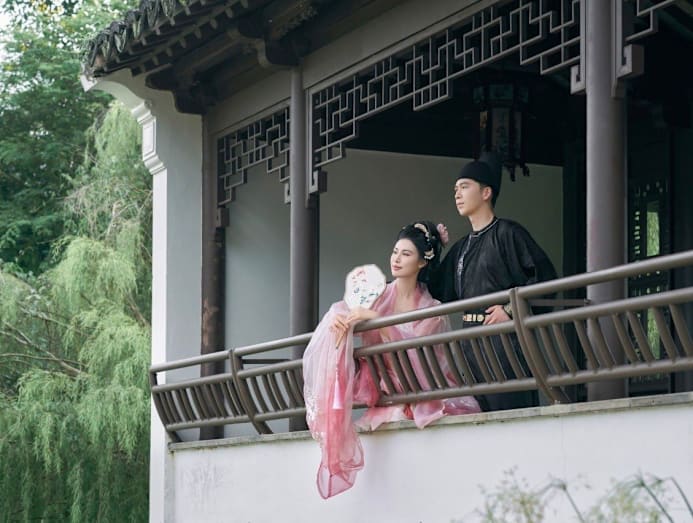
Once considered a niche offering in Singapore, Ling observed that attitudes towards hanfu photo shoots have shifted noticeably in recent years.
“When I was younger, China-related culture wasn’t always seen as ‘cool’,” said Ling. “Now, it’s almost the opposite. There’s a renewed interest in the aesthetics and identity behind it, and that’s definitely reflected in what clients are asking for today.”
Another local studio, LunarWorks Studio, began offering an oriental-themed backdrop around four years ago when interest in C-drama-inspired aesthetics picked up.
The space features traditional Chinese furniture, wooden screens and lanterns for customers looking for an immersive setting.
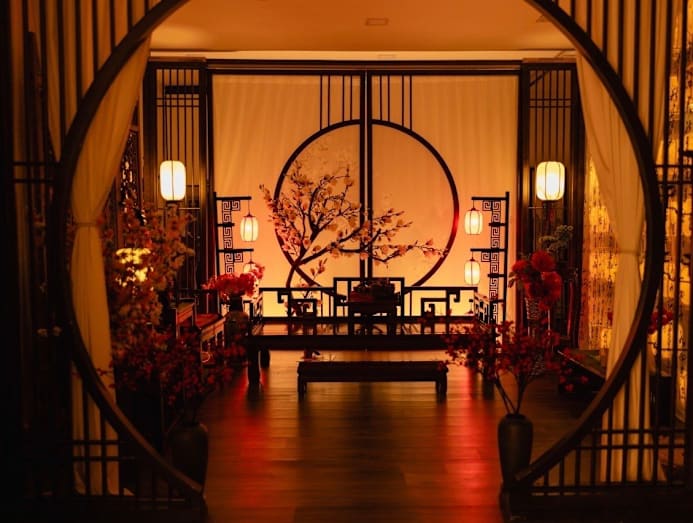
Co-founder Alice Goh said demand has remained steady, with around eight to 10 bookings per month. Demand increases during Chinese New Year and the Mid-Autumn Festival.
LunarWorks Studio also offers a hanfu experience package. In the session, staff guide the client through the process of wearing the hanfu and explain the significance of the garment. A professional photo shoot follows.
At wellness brand Yagyo Haven, hanfu makeovers and photo shoots are also part of its immersive cultural experiences set against tranquil Chinese-inspired backdrops featuring natural wood, stone and water elements, garden settings and moonlit walls.
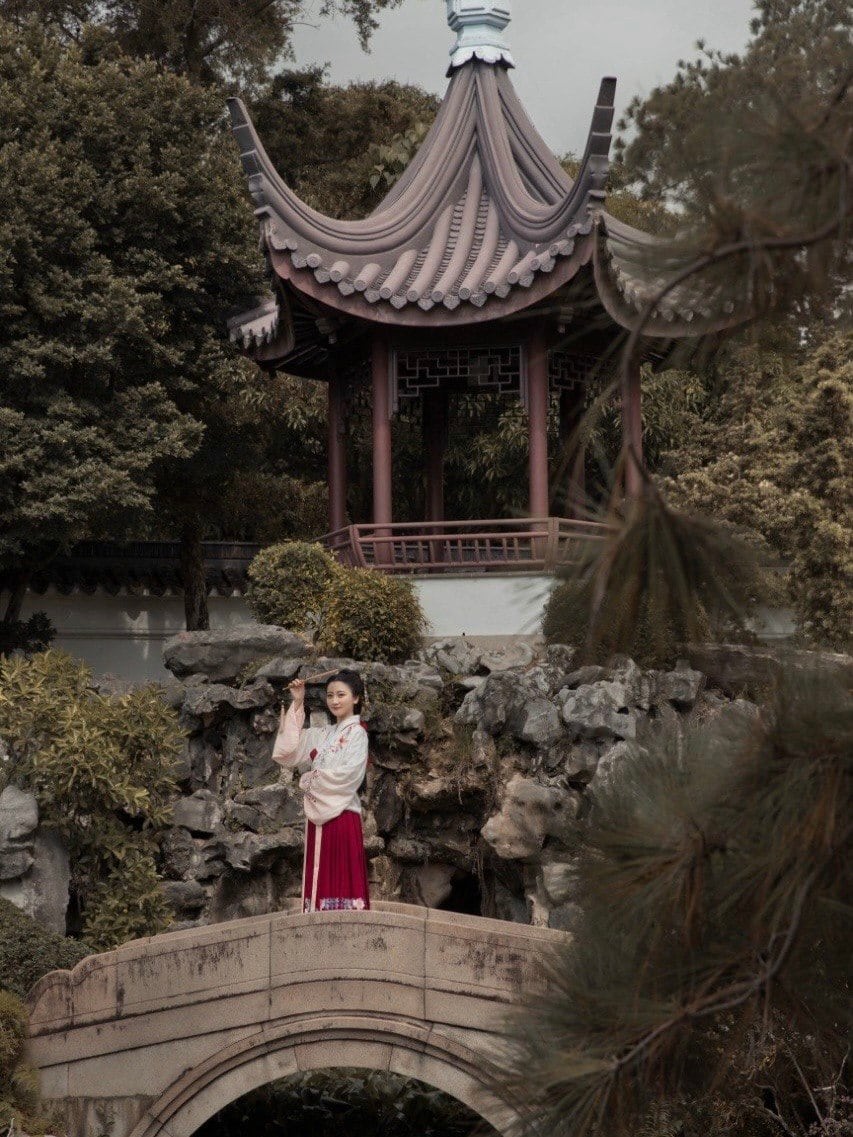
The appeal spans generations, with most in their 20s to 40s, though Ling’s youngest client was just six months old while the oldest was in her 70s.
“It’s less about age and more about what the experience means to them, whether that’s cultural connection, creativity or simply trying something different,” she said.
Most clients are women but there are some men too, many of whom were “dragged” to the photo shoot by their other halves, said Goh.
Ling added that some men also request for a long hair wig often seen in period dramas, though the style may not suit everyone.
The studios are also seeing growing interest from non-Chinese clients and tourists. “Some of them considered doing a similar experience in China but find it easier to communicate in English here," Ling said.
4 OUTDOOR SPOTS IN SINGAPORE FOR A HANFU PHOTO SHOOT
Singapore may not have sprawling palace grounds or ancient pavilions, but there are still pockets of spaces that can offer a dreamy backdrop for hanfu photo shoots. Photographer and creative director Sharon Ling from Dressed Up Dreams suggests the following outdoor spots:
- Chinese Garden within Gardens by the Bay: Bamboo groves, decorative rocks and water features lend a classical Chinese feel.
- The Jackie Chan Pavilions at Singapore University of Technology and Design (SUTD): These are restored Ming- and Qing-era antique treasures donated by the Hong Kong action star. The ornate architectural details instantly take you to another era.
- Jurong Lake Gardens: Its artificial hills, rolling greenery and wild lalang fields evoke the atmosphere of an untamed grassland. While you are there, check out the rejuvenated Chinese Garden, an all-time favourite photo shoot spot. Its Suzhou-style Bonsai Garden is said to be the largest outside China, making it one of the most authentic local settings for period-style portraits.
- Singapore Botanic Gardens: Though not traditionally Chinese, its lush floral landscapes pair beautifully with flowing hanfu silhouettes.
CREATING THE PERIOD DRAMA LOOK
One of the most requested looks is the Tang Dynasty aesthetic, which is flowy, feminine and almost ethereal, said Ling. She believes it is partly due to the enduring popularity of xianxia dramas, the fantasy genre inspired by Chinese mythology.
“The Tang Dynasty styles have more volume and movement, and are flattering across different body types,” Ling added.
The yuanlingpao (round collar robe) is a popular outfit for men going for a Tang Dynasty-inspired look, said Ling. This traditional garment has a circular collar that fastens on the side and is comfortable and easy to put on.
To complete the look, styling extends to the finer details, like hair, makeup and even the poses.
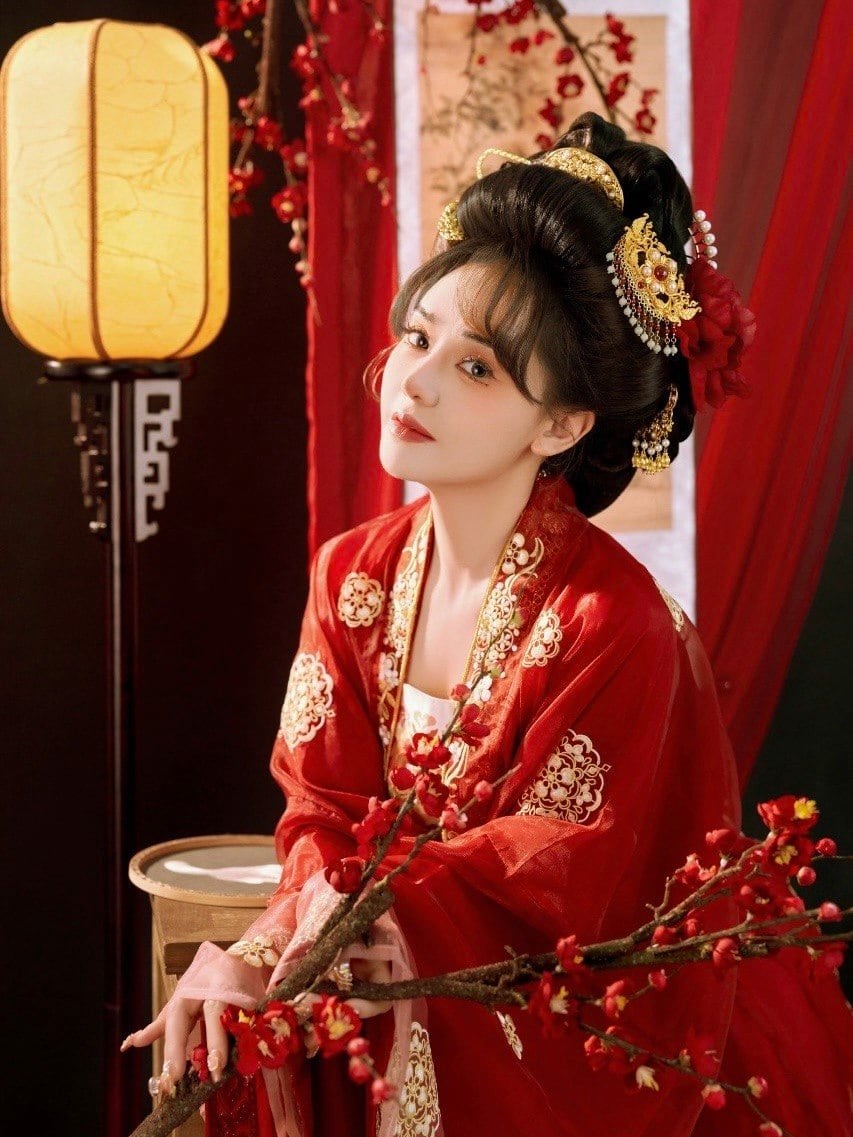
Makeup artist Su Jing from Dressed Up Dreams said the look usually focuses on a soft matte, fair complexion with delicate, slightly arched brows.
Hairstyling is typically high buns or intricate updos, finished with traditional hairpins or ornaments. A full studio-style makeover can take anywhere from 1.5 to 2.5 hours.
“Compared with more everyday styles like the K-beauty look, this look is more dramatic and photographs beautifully,” Su said.
Ling added that she often draws inspiration from classical Chinese paintings, favouring softer lighting, flatter visual depth and contemplative poses.
“Pose-wise, they may be seen looking off-camera, as if they are in their own world, which is a bit different from the Western portrait style. This may be less intimidating for first-timers because they don’t always have to make eye contact with the camera,” she added.
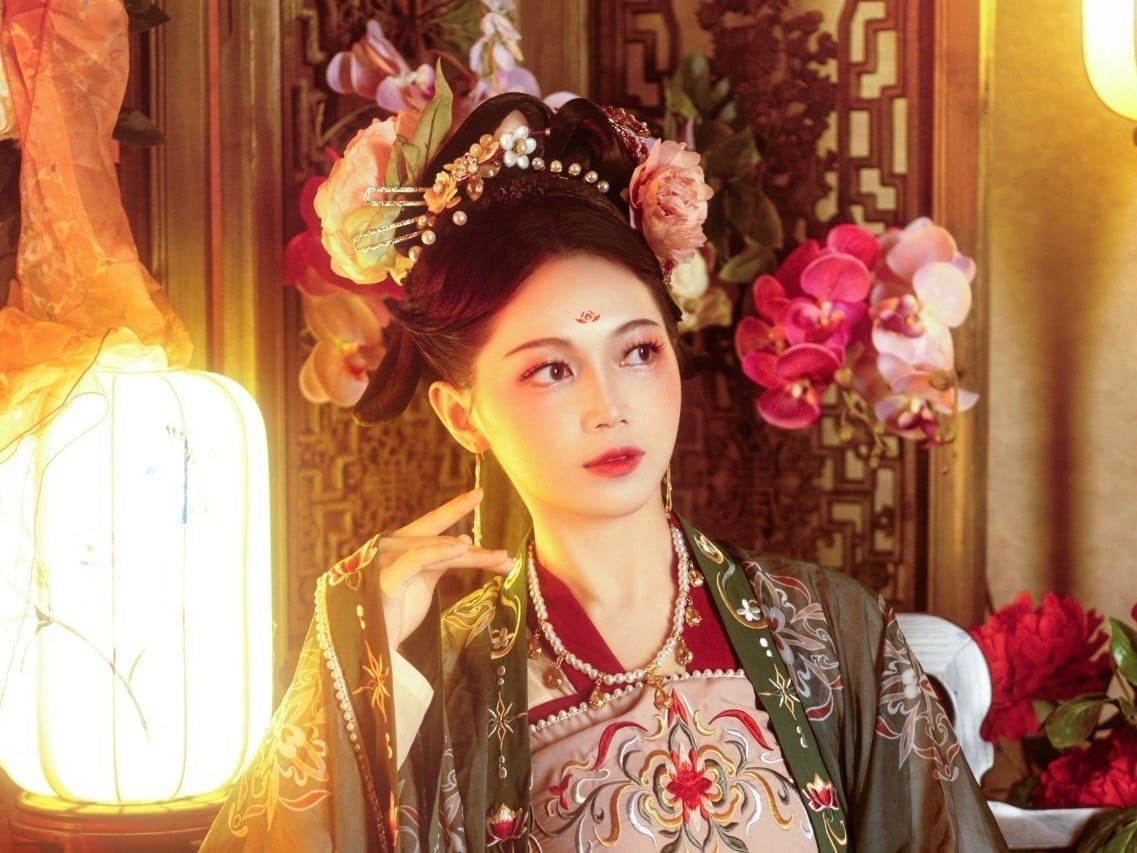
Yet, what many people associate with “traditional” may not be historically accurate. For instance, the popular hit series Pursuit Of Jade is adapted from a web novel and not based on any real-life historical figure, said LunarWorks Studio’s Goh.
Ling pointed out that many of today’s popular C-drama looks are designed for visual storytelling rather than historical accuracy.
Each historical period has its own hanfu style, with distinct silhouette, layering and proportions. But drama-inspired styles tend to be more stylised, sometimes combining elements from different time periods with exaggerated details like large flowing sleeves or dramatic silhouettes, she added.
“Even the colour scheme may be quite different. The floaty, pastel colours (and) more feminine tones are quite trendy now but historically, those colours may not be available because dyes came from more organic sources,” said Ling.
She believes that the broader interest in Chinese-inspired aesthetics is more than a passing fad.
“It’s tied to a growing appreciation of culture and identity. So while specific looks may come and go, the core interest is here to stay and will just continue to evolve,” Ling said.