Fashion revolution: How a new generation of creative directors is transforming Dior, Chanel, Gucci and more
From Dior and Chanel to Gucci and Balenciaga, a new generation of creative directors is rewriting the visual language of luxury fashion – here’s the breakdown.
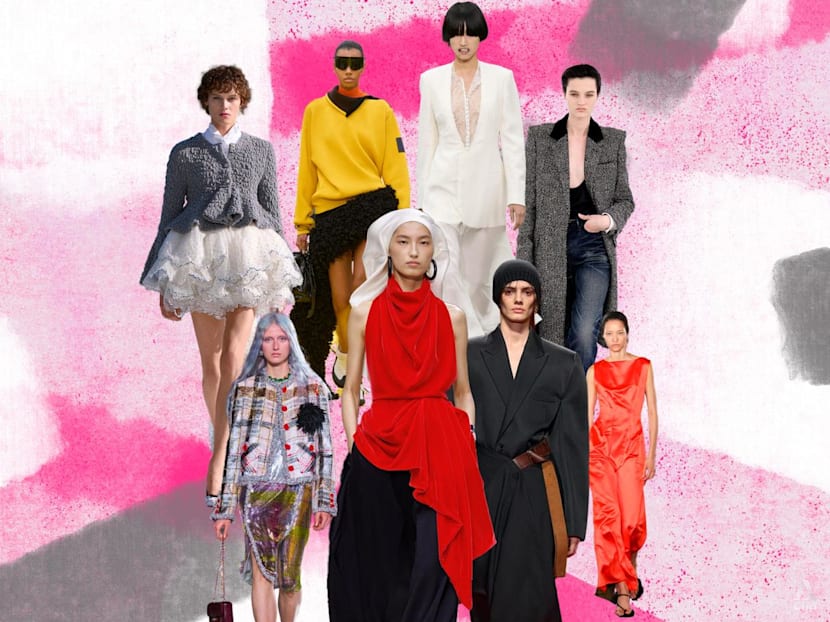
The most striking looks from Fall/winter 2026. (Art: Jasper Loh)

This audio is generated by an AI tool.


After a period of high-profile creative reshuffles, fashion’s biggest houses are entering a decisive new era. The conversation is no longer about who exited, but about the distinct sensibilities a new crop of creative directors is bringing to the runway – and how those perspectives are reshaping some of luxury’s most recognisable identities.
At Dior, Jonathan Anderson tempers structure with tactility and ease. Chanel’s Matthieu Blazy experiments with tweed and proportion to lighten the brand’s polish. Michael Rider steers Celine toward tailored restraint, while Loewe’s Jack McCollough and Lazaro Hernandez inject playful craft and colour into Spanish heritage.
Elsewhere, Pierpaolo Piccioli brings couture discipline to Balenciaga’s street instincts, and Demna leans into Gucci’s archival sensuality with unapologetic glamour. Louise Trotter heightens texture at Bottega Veneta, Sarah Burton sharpens femininity at Givenchy, and Antonin Tron recalibrates Balmain with restrained opulence.
What unites these varied visions is a focus on clarity: heritage revisited rather than erased, experimentation grounded in craft, and silhouettes refined for modern life. Together, they signal not a break from the past, but a thoughtful rewriting of it.
JONATHAN ANDERSON FOR DIOR
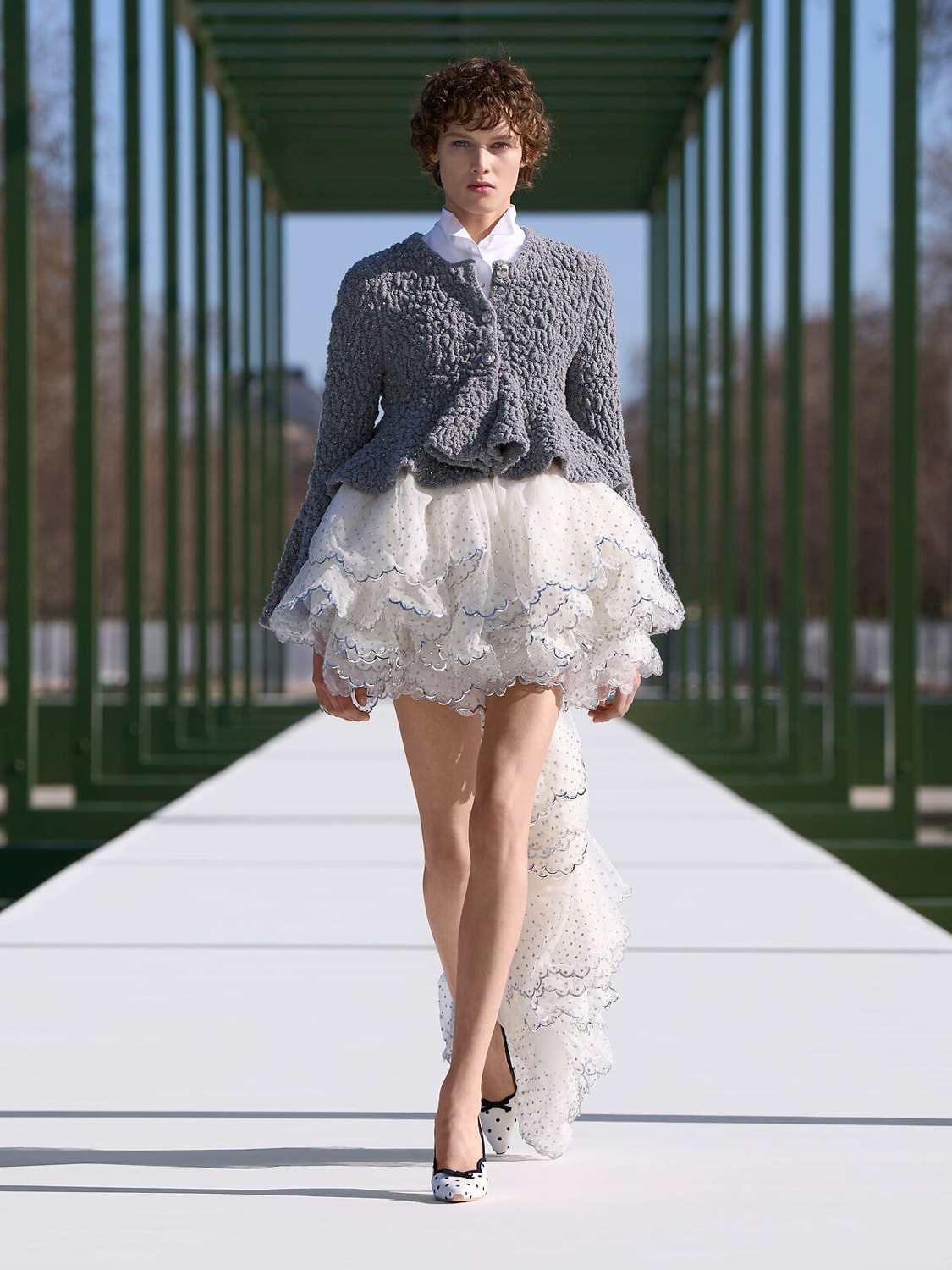
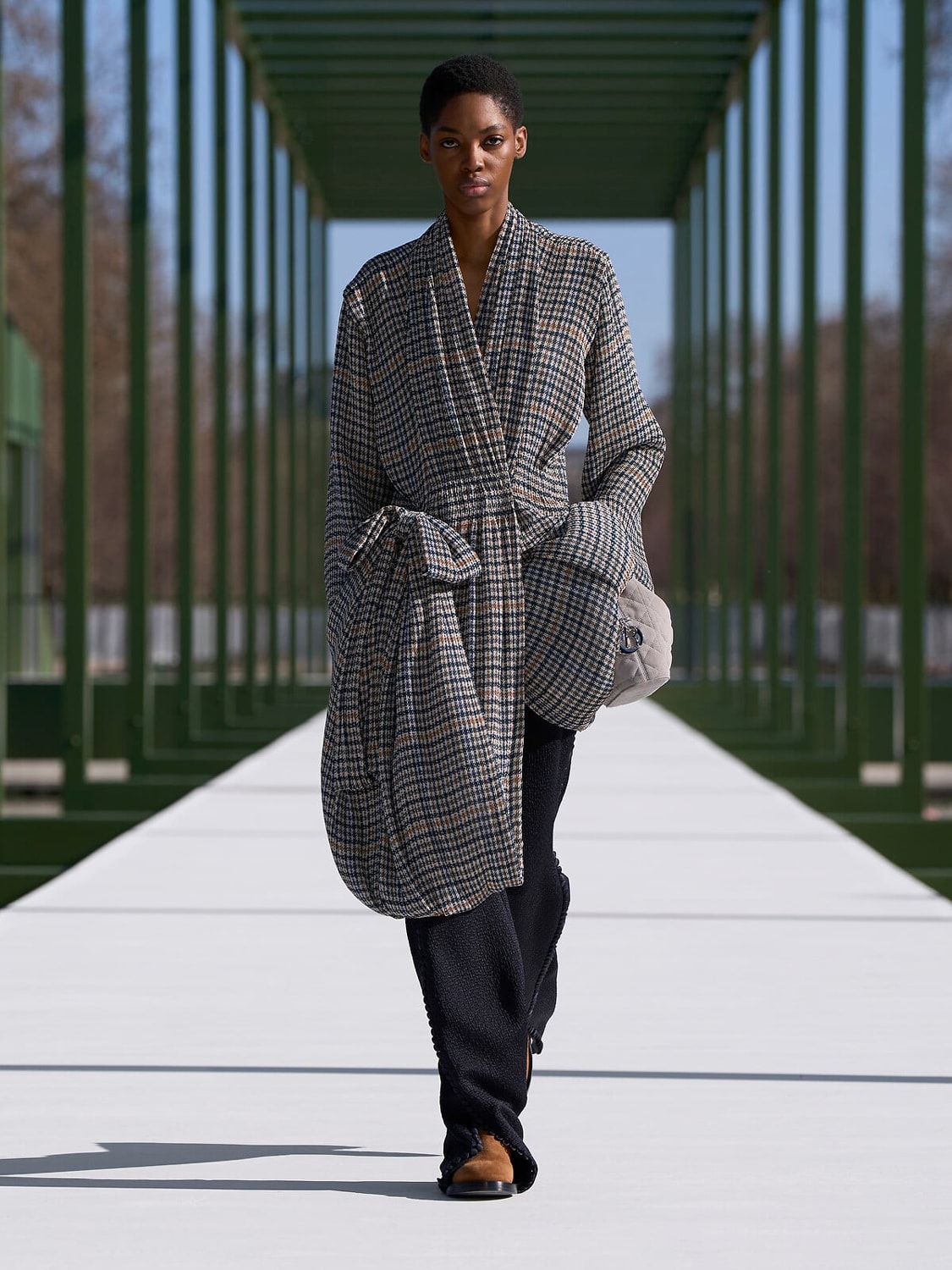
Following Jonathan Anderson’s Spring 2026 debut for Dior, which emphasised proportion and texture, his Fall 2026 collection turned to softening the house’s most recognisable silhouettes. The Bar jacket resurfaced as a knitted peplum cardigan, while ruffled skirts carried embroidery inspired by founder Christian Dior’s iconic Junon gown.
Elsewhere, Anderson’s instinct for ease and tactility came through in coats that wrapped like dressing gowns, and lace dresses trimmed with raffia florals. The effect loosens Dior’s historic structure, trading strict architecture for movement and intimacy.
MATTHIEU BLAZY FOR CHANEL
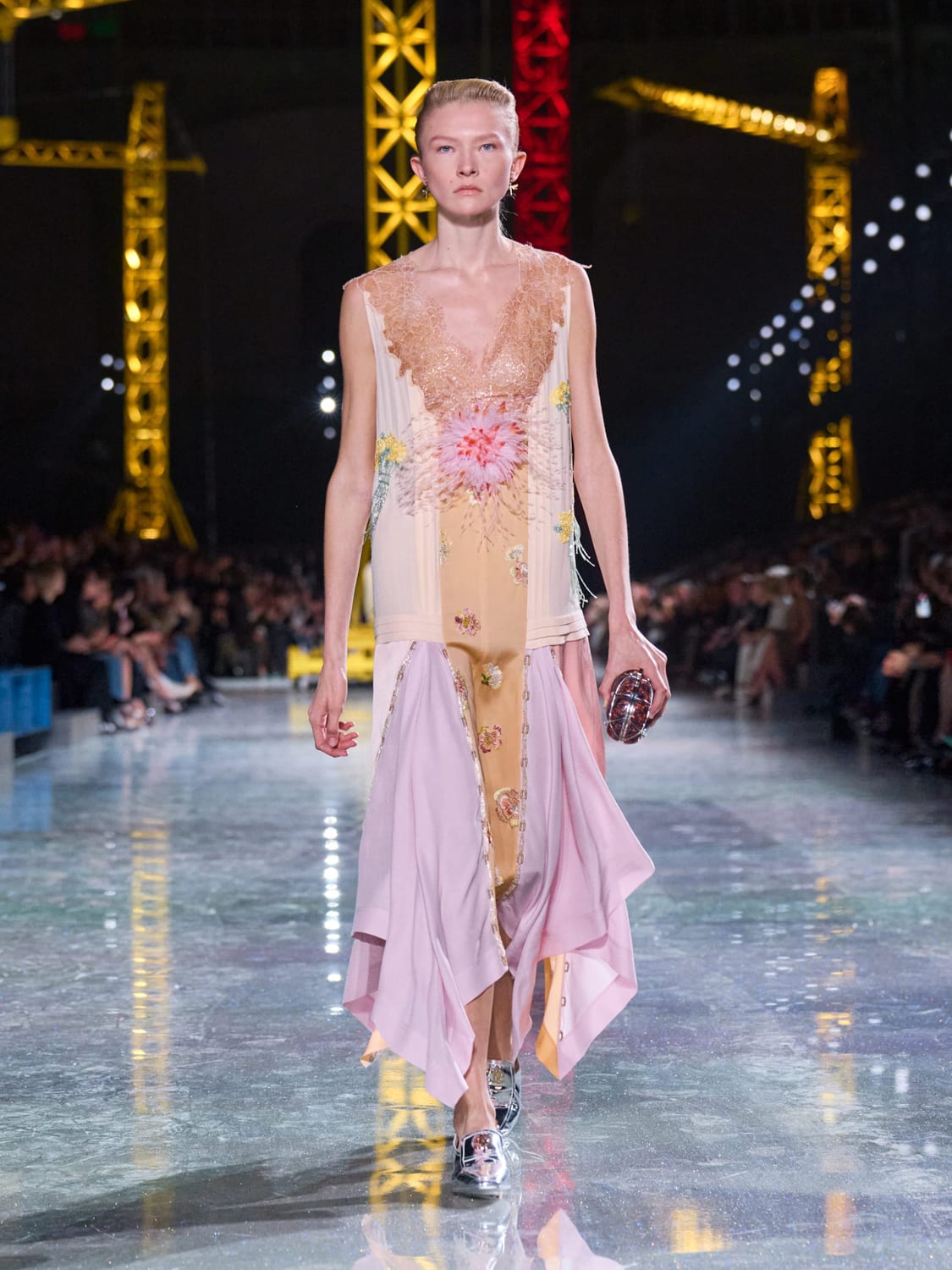
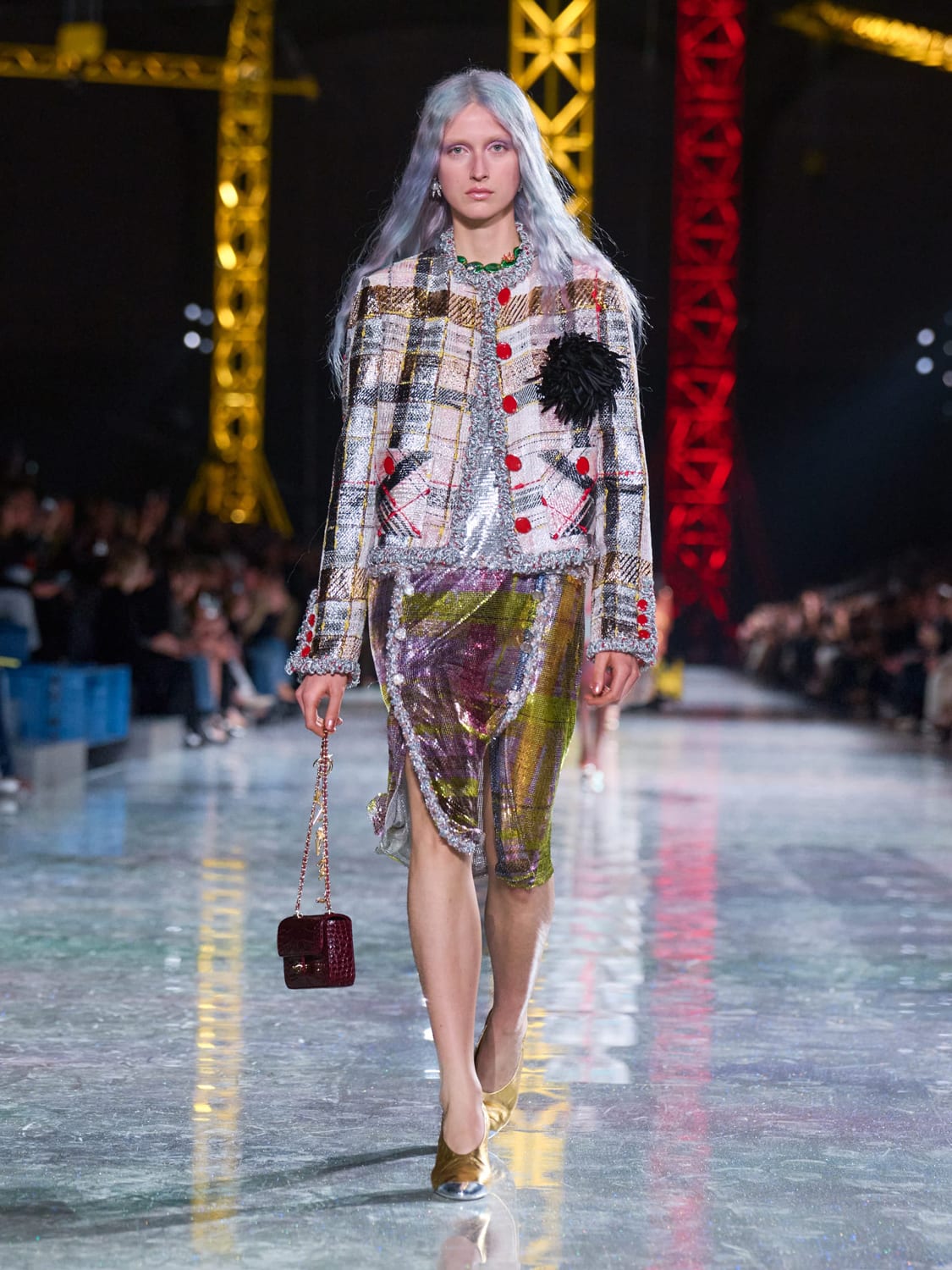
Matthieu Blazy is only the fourth creative director in Chanel’s 116-year history and his tenure so far has centred on material experimentation. His Fall 2026 collection reworked the house’s signature tweed in vivid colours, alongside versions woven with metallic mesh.
Proportions shifted too: oversized blousons, dramatically dropped waistlines recalling 1920s flapper silhouettes and relaxed layers. Boyish tailoring – boxy blazers and shirts worn untucked – introduced a casual ease to the house’s traditionally polished look. The result remains unmistakably Chanel, but noticeably lighter in spirit.
MICHAEL RIDER FOR CELINE
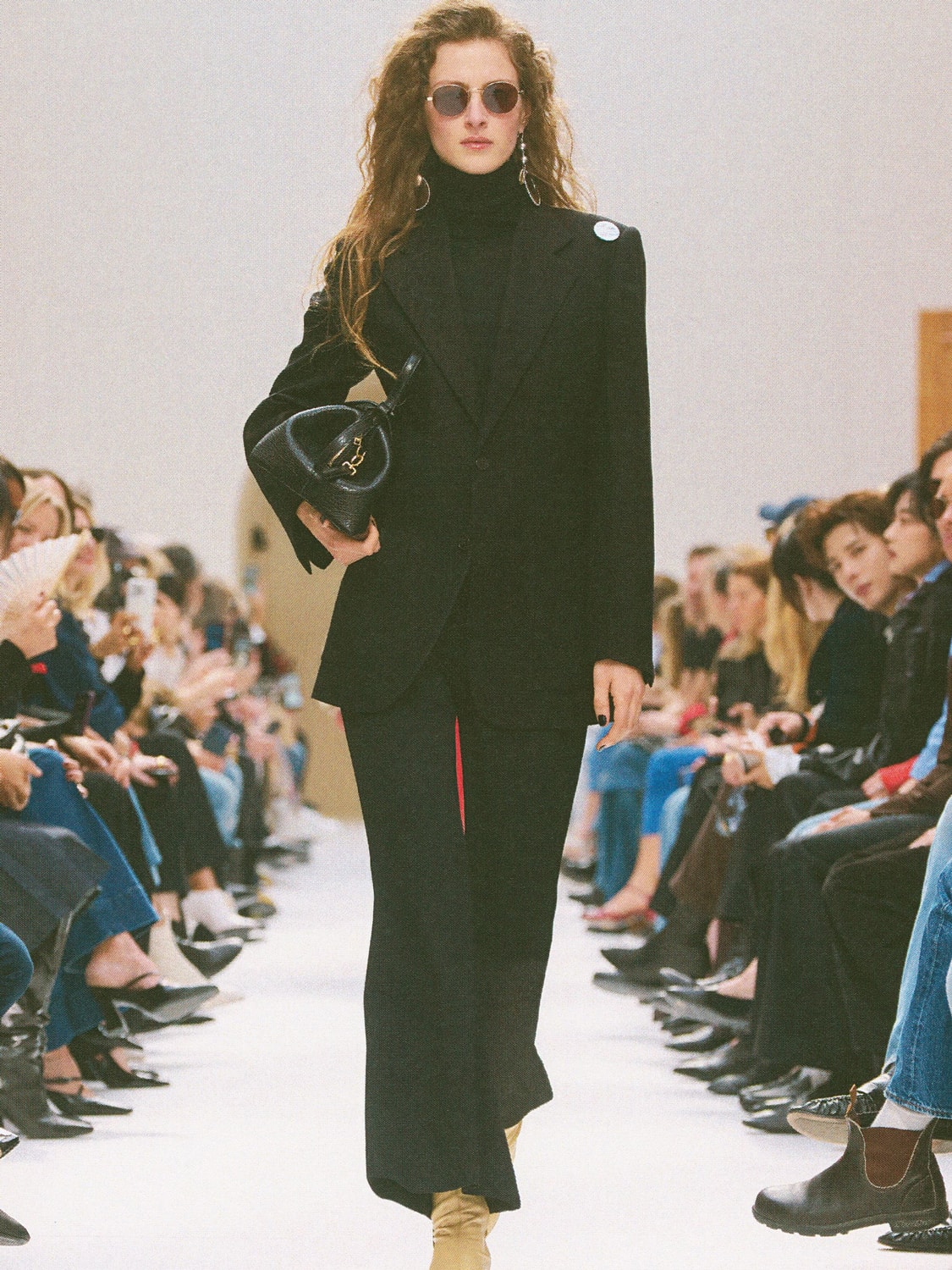
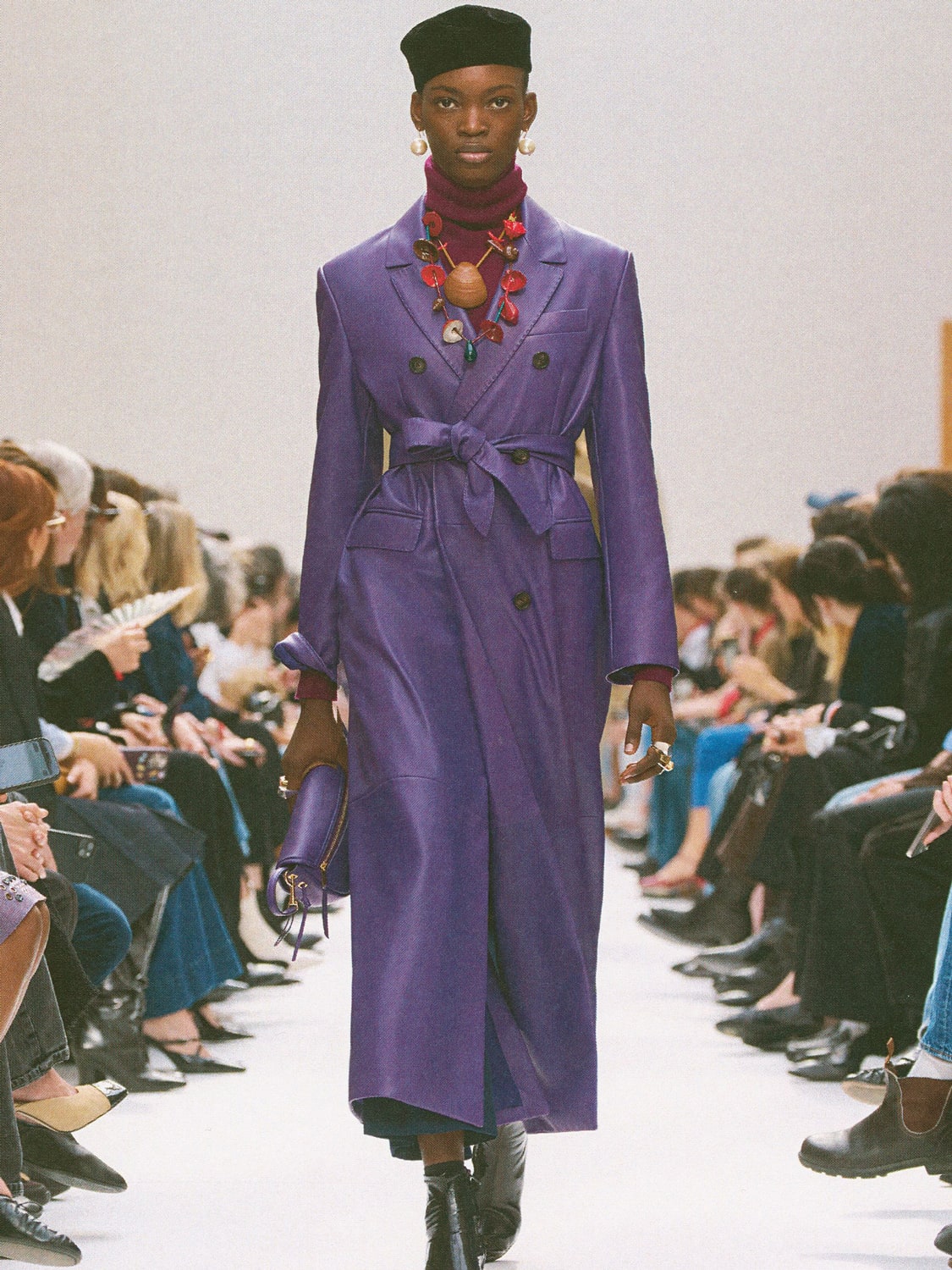
Since arriving at Celine, Michael Rider has been steering the house toward quieter precision, drawing from both the minimalism of Phoebe Philo and the sharper edge associated with Hedi Slimane.
His Fall 2026 collection focused on slimmer silhouettes: Coats cut close to the shoulder, blazers fitted to the torso, and trousers finished in cropped kick-flares. Rider also slipped in touches of the American ease he honed at Ralph Lauren – pleated trousers tucked into riding-style boots, plaid layers, slim belts – bringing a subtle preppy polish to Celine’s Parisian aesthetic.
JACK MCCOLLOUGH AND LAZARO HERNANDEZ FOR LOEWE
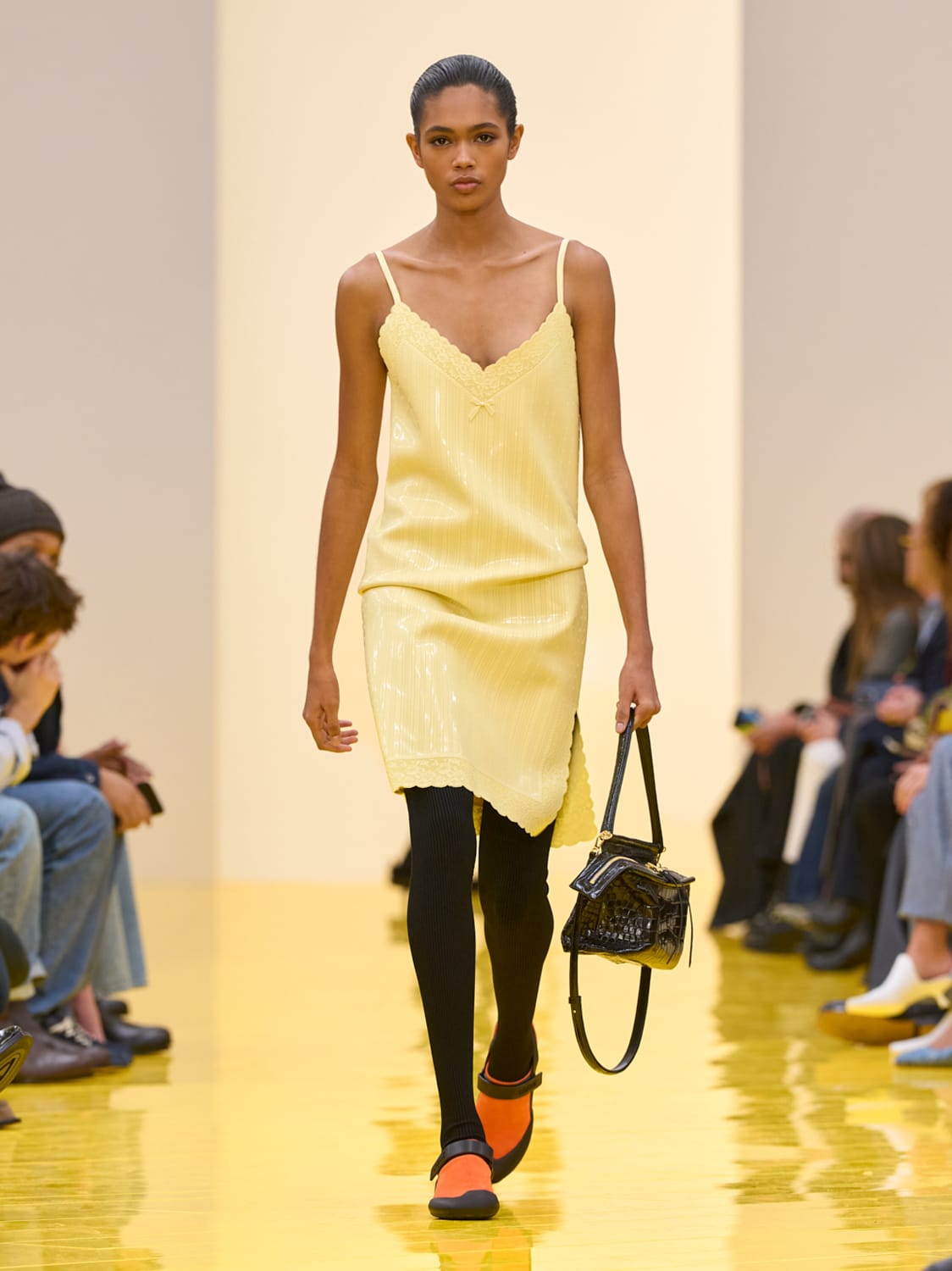
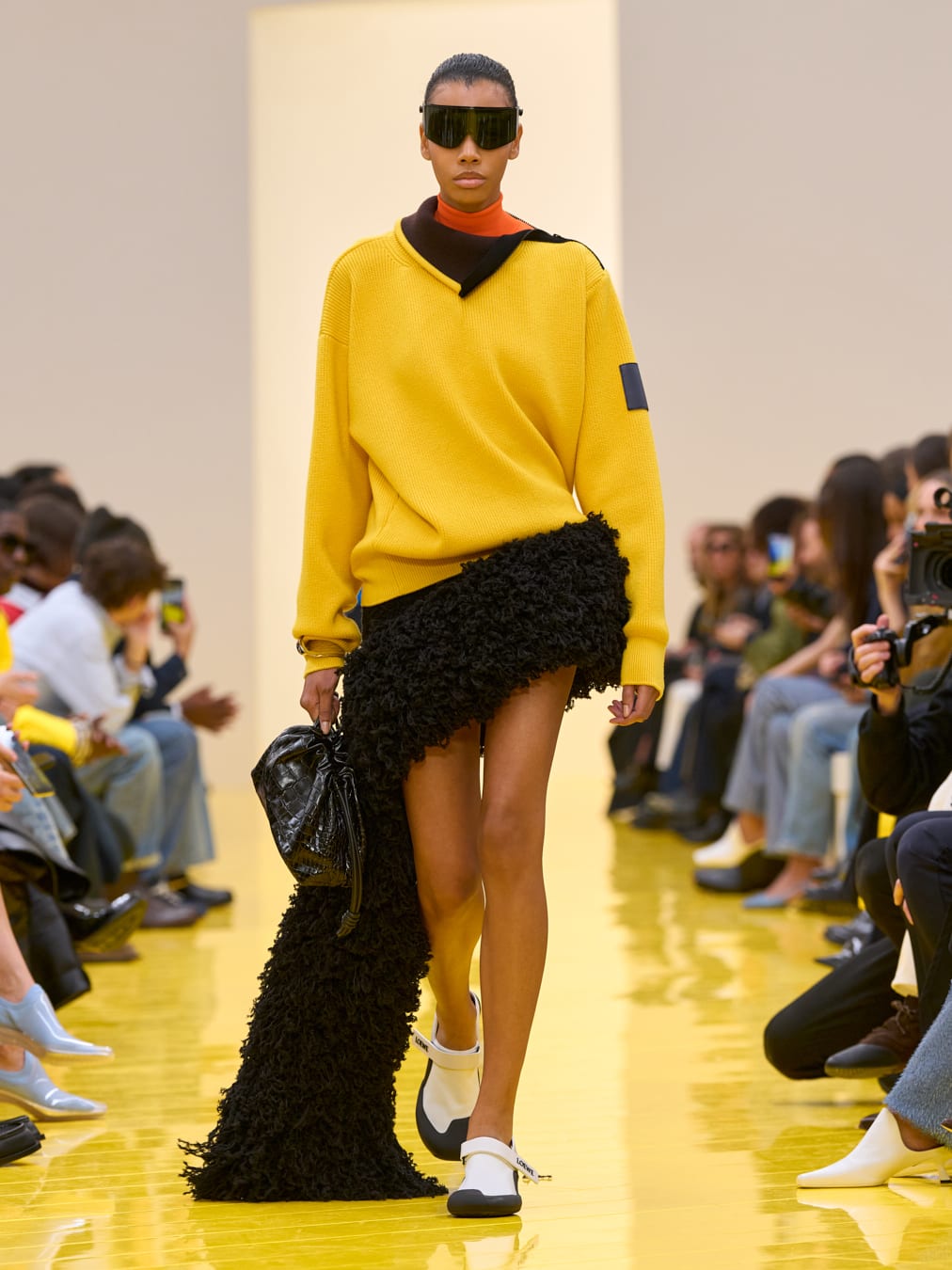
Since taking over Loewe, Jack McCollough and Lazaro Hernandez – founders of Proenza Schouler – have been leaning into craft with a sense of humour.
Their sophomore Fall 2026 collection pushed that sensibility further. Latex-coated dresses, parkas with inflatable pockets and oversized shearling coats appeared alongside stringy dresses that swung with movement. Bold colours injected a pop-art energy into the lineup.
The duo’s Loewe still celebrates craftsmanship, but the mood is freer and more playful – with a distinctly New York attitude.
PIERPAOLO PICCIOLI FOR BALENCIAGA
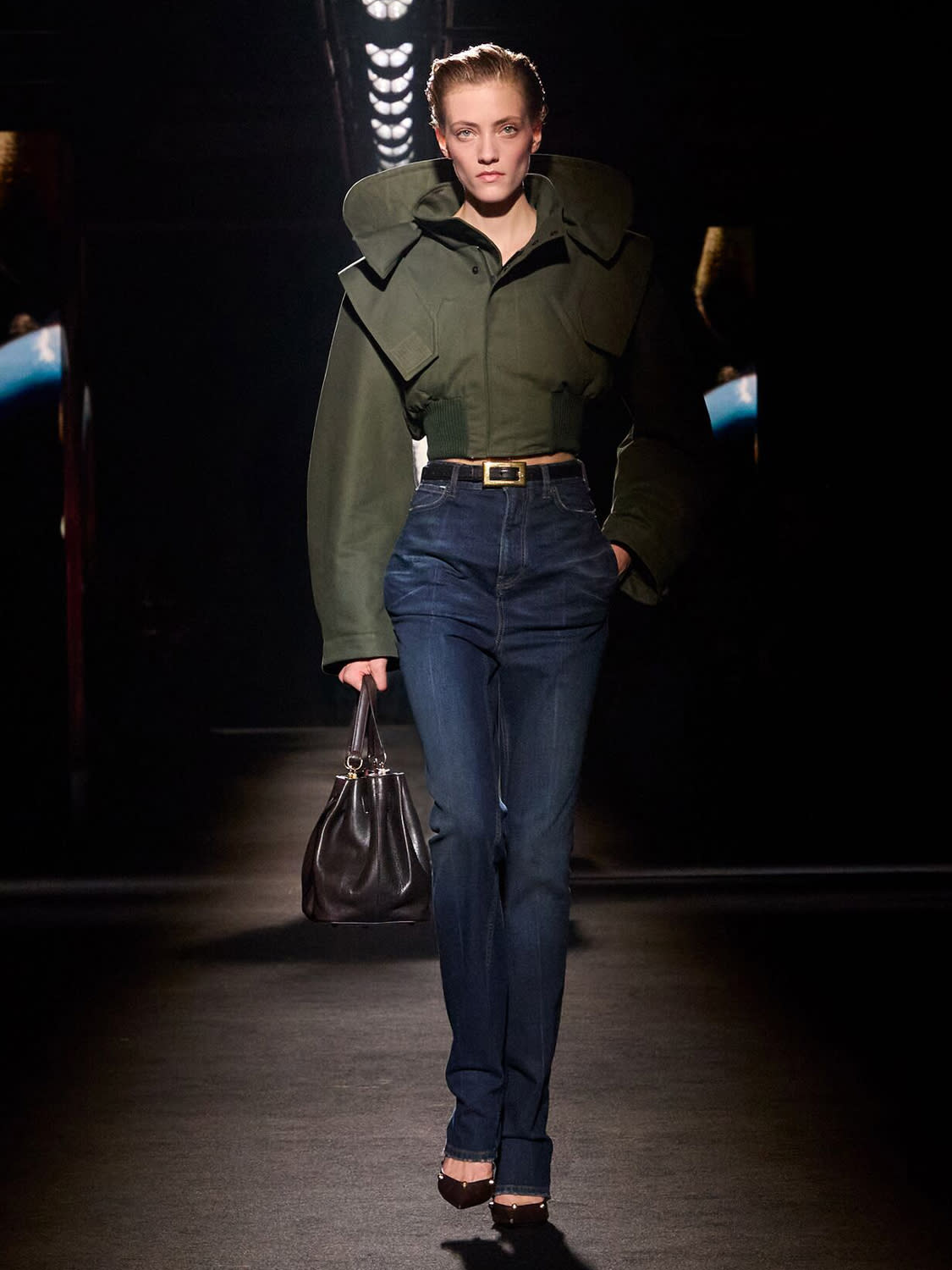
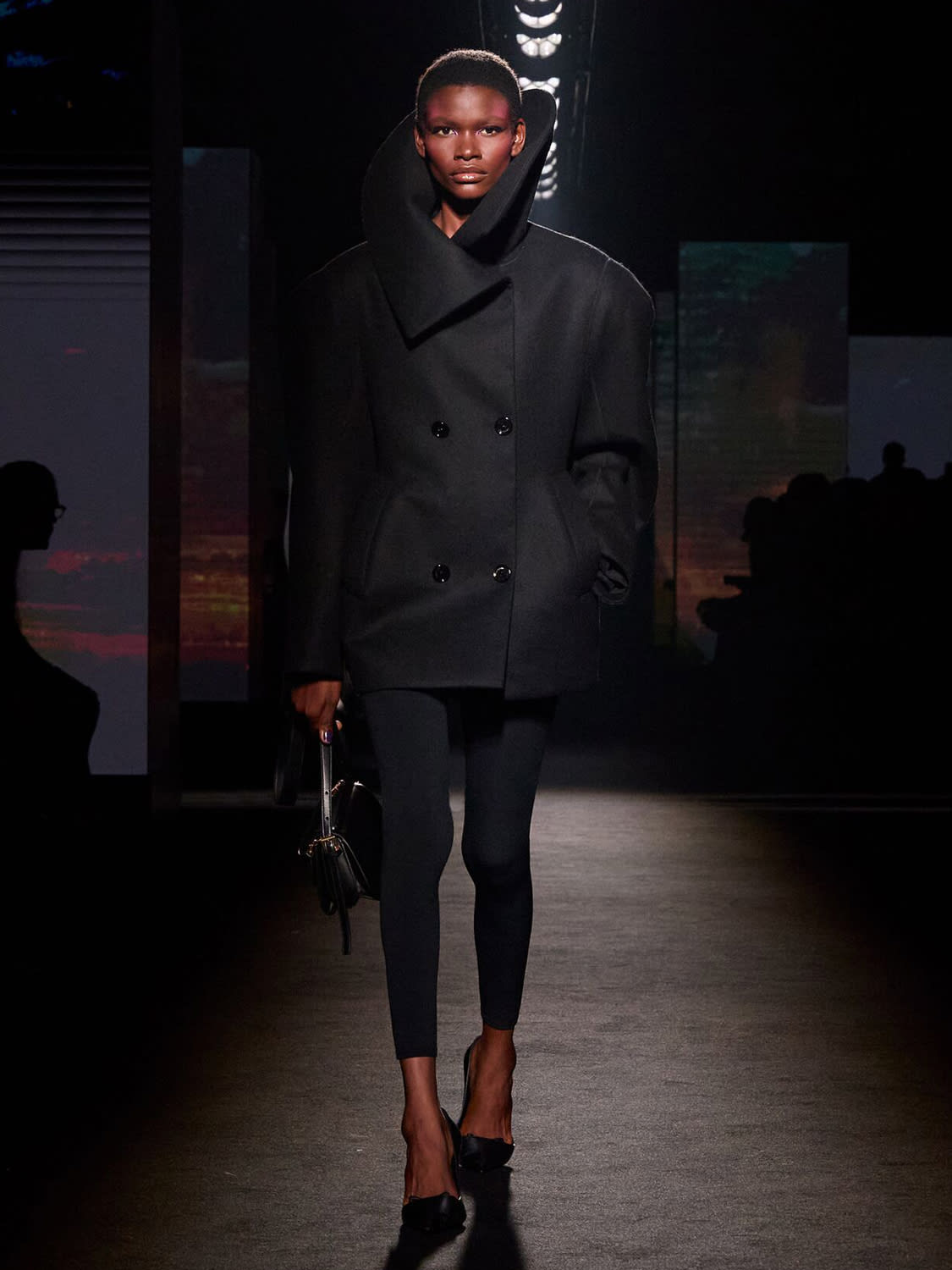
After years defined by shock value, Balenciaga’s latest direction signals control. Pierpaolo Piccioli’s Fall 2026 show – his second ready-to-wear collection – dialled back the house’s exaggerated silhouettes.
A sculptural peacoat with a face-framing collar nodded to the architectural tailoring of founder Cristobal Balenciaga, while sportswear and denim kept the wardrobe contemporary. Opera gloves and delicate pointed heels finished otherwise casual looks, sharpening the contrast between formality and ease. This push-and-pull between couture polish and everyday dressing is beginning to define this new Balenciaga.
DEMNA FOR GUCCI
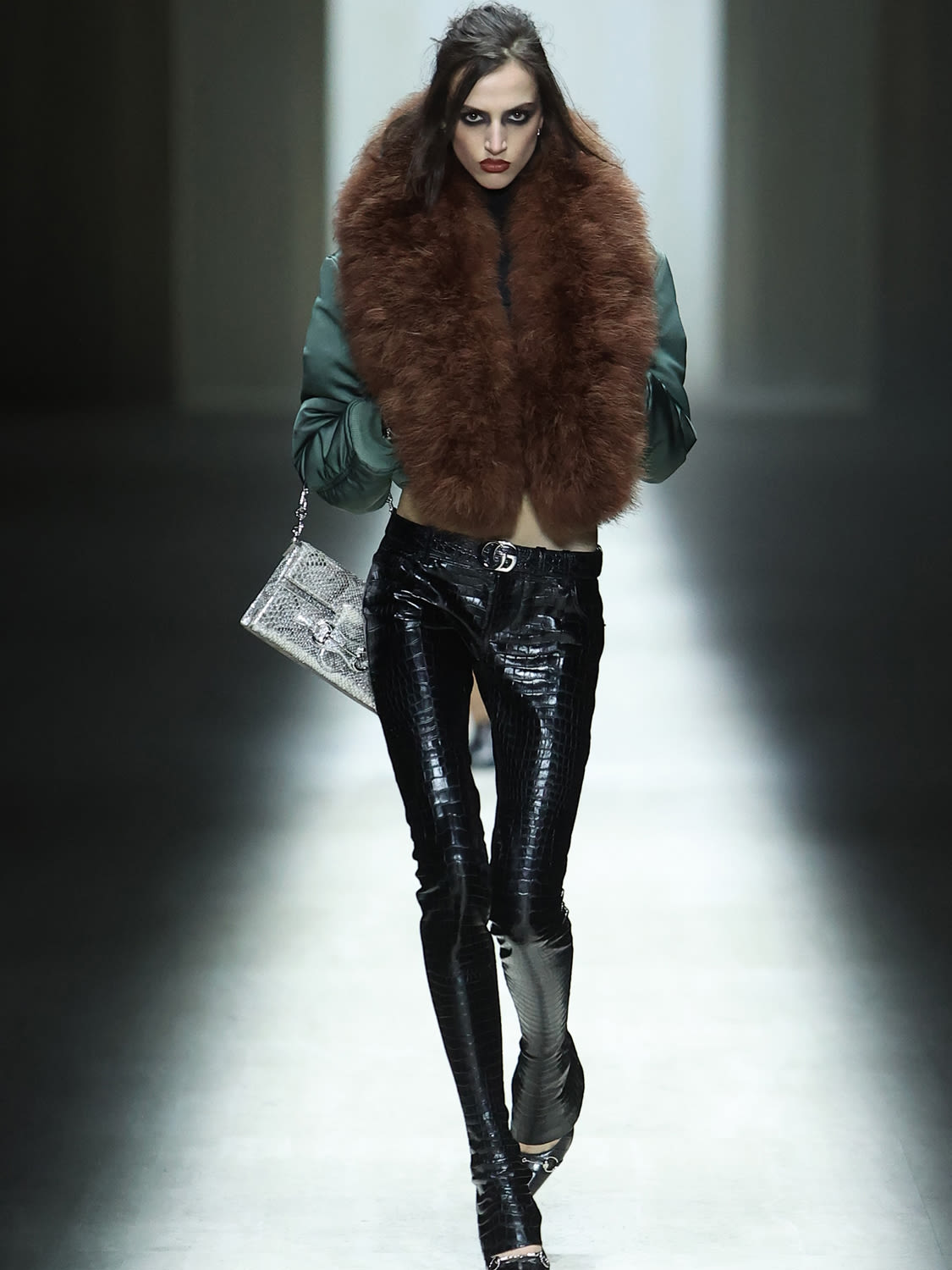
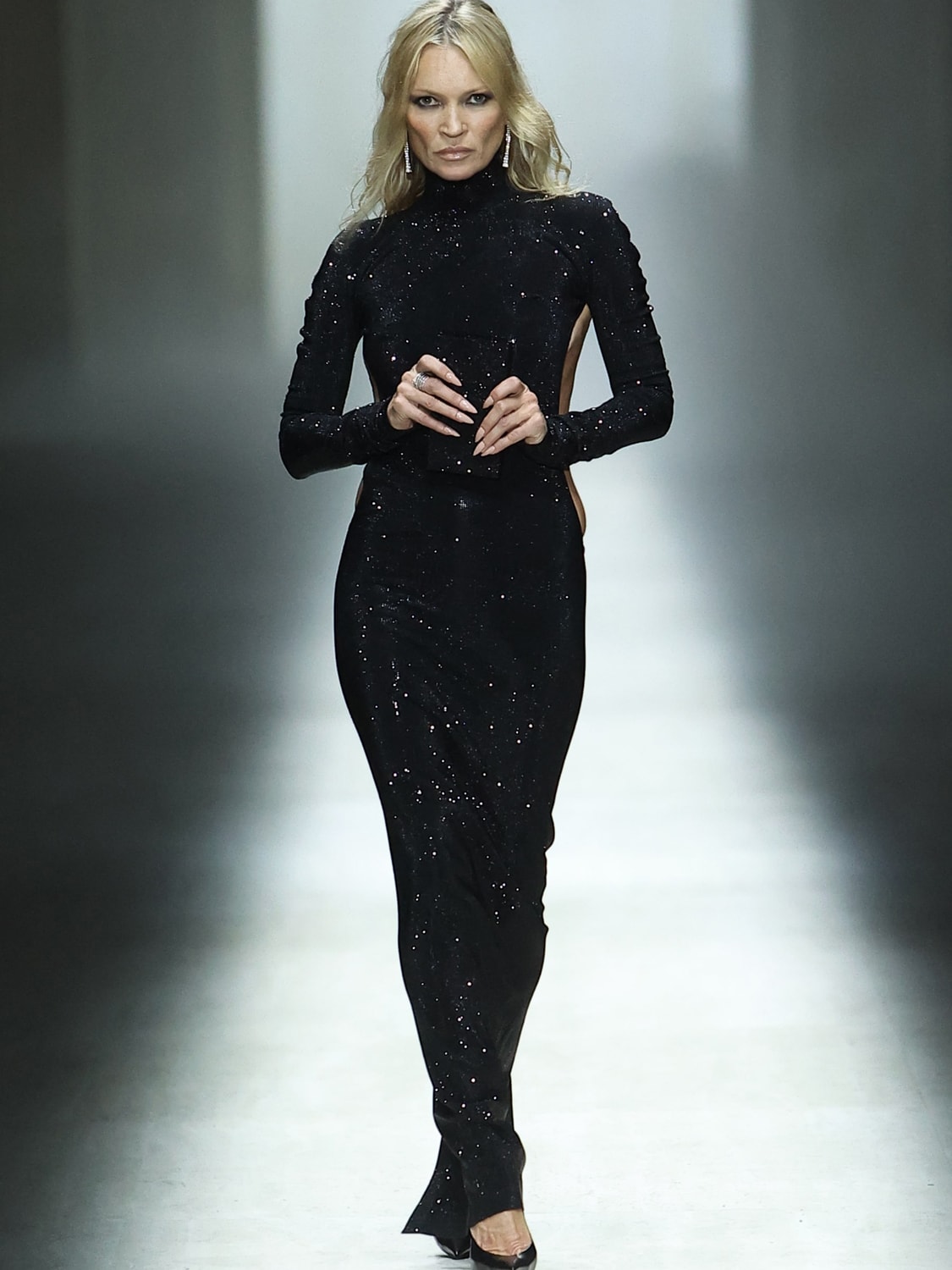
When Demna staged his first runway collection for Gucci in Fall 2026, he said he had immersed himself in the “Gucciness of Gucci”.
The message was clear from the start: heer white minidresses cut from hosiery fabric clung to the body, black slacks sat low with thin logo belts, and muscle T-shirts slipped off the shoulder. The closing sequin gown, worn by Kate Moss, revealed a Gucci-branded thong – a cheeky nod to the provocative glamour of the Tom Ford era.
With the debut, Demna amplified some of Gucci’s most recognisable instincts – glamour, sexuality and pop spectacle – reframed through the body-conscious silhouettes that have defined his own career.
LOUISE TROTTER FOR BOTTEGA VENETA
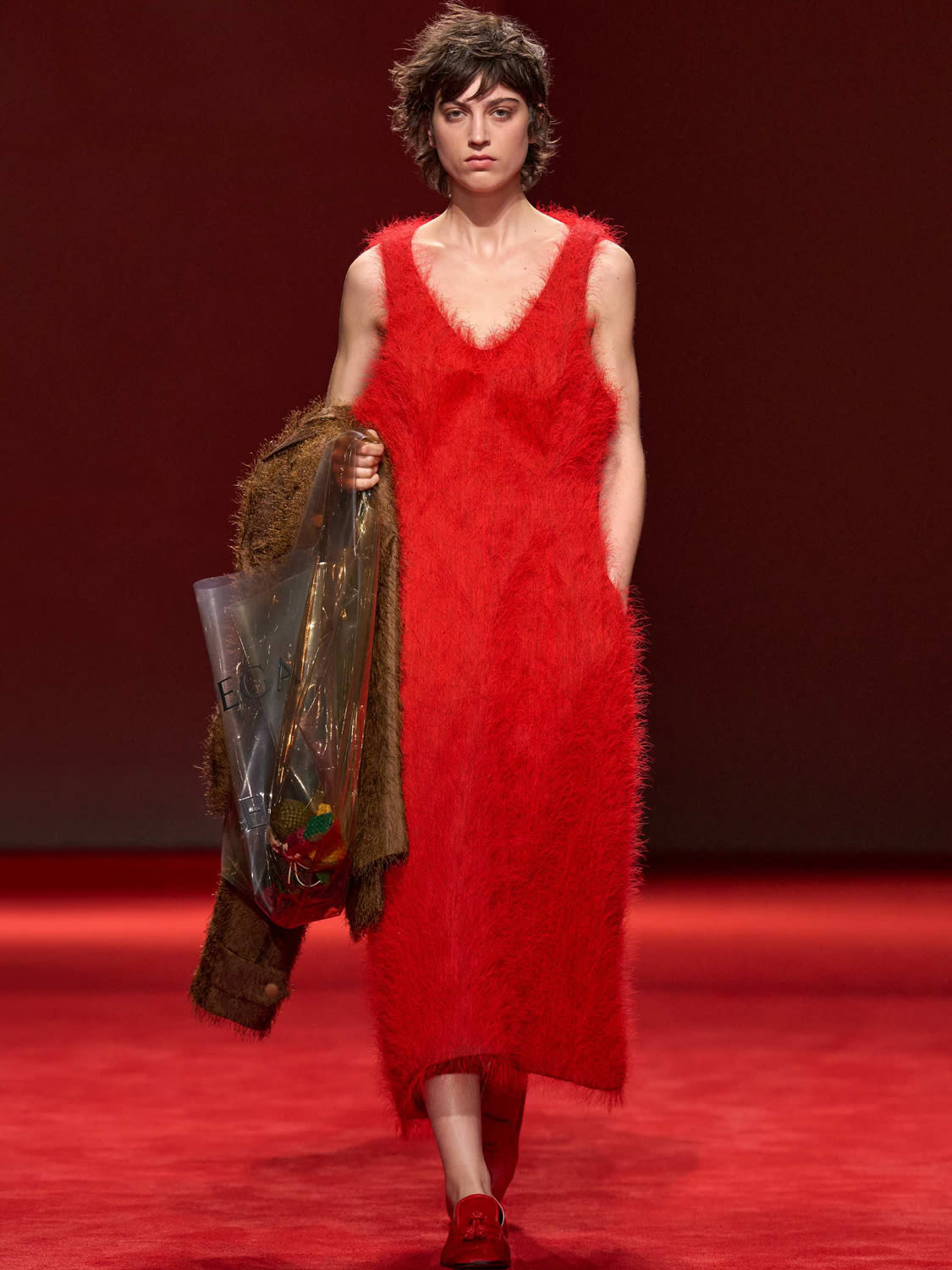
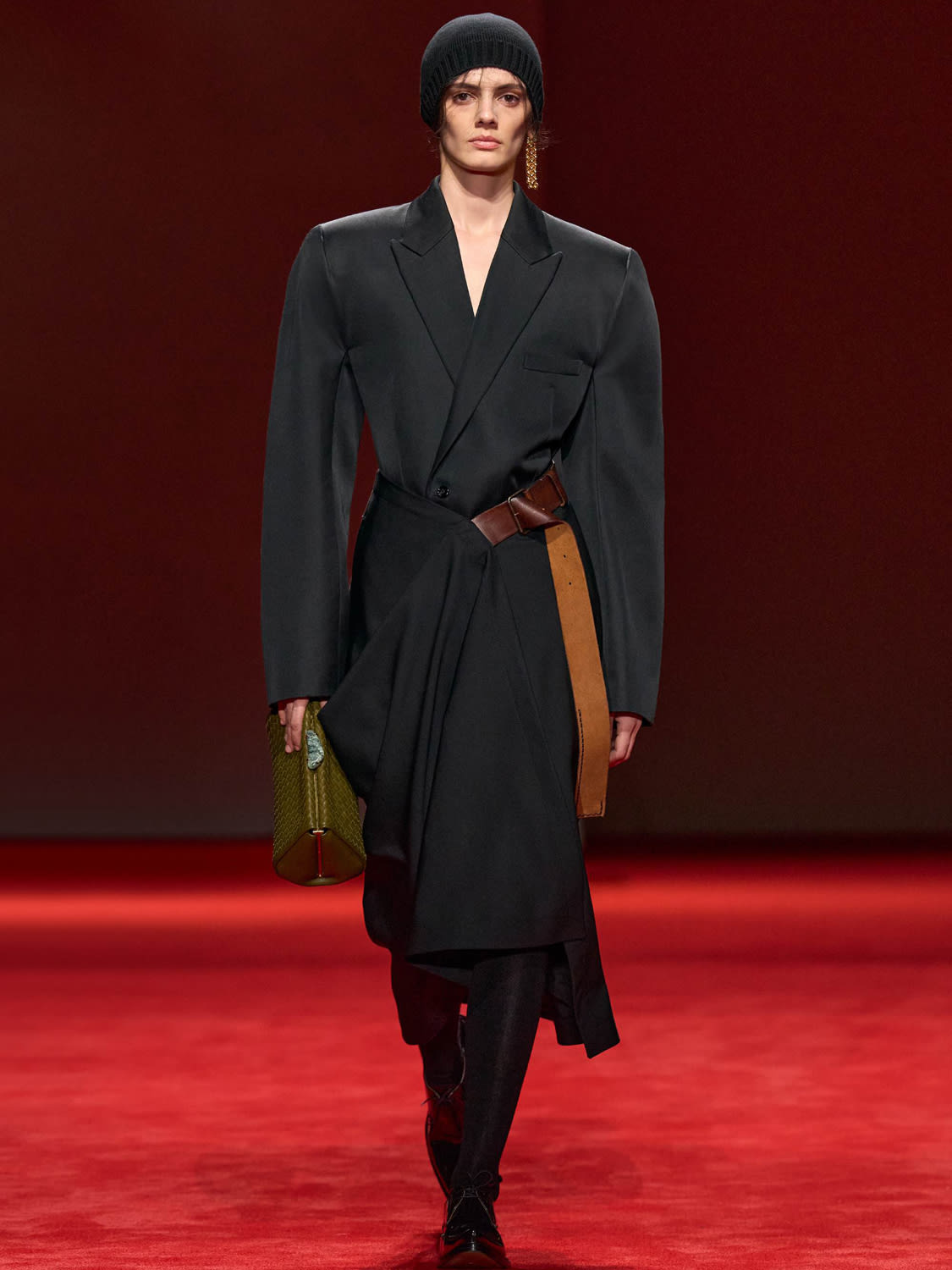
Louise Trotter, who joined from Carven in early 2025, is the first woman to lead a Kering brand. Her Fall 2026 collection – Trotter’s second show for the house – pushed Bottega’s tactile identity even further.
Oversized coats appeared in vivid faux furs crafted from silk, felt and recycled fibreglass. Leather trenchcoats featured woven and ridged patterns. Intrecciato bags returned in ostrich and croc finishes. Soft beanies and embellished headpieces completed the looks, reinforcing Trotter’s vision of clothes designed for the many roles modern women inhabit.
SARAH BURTON FOR GIVENCHY
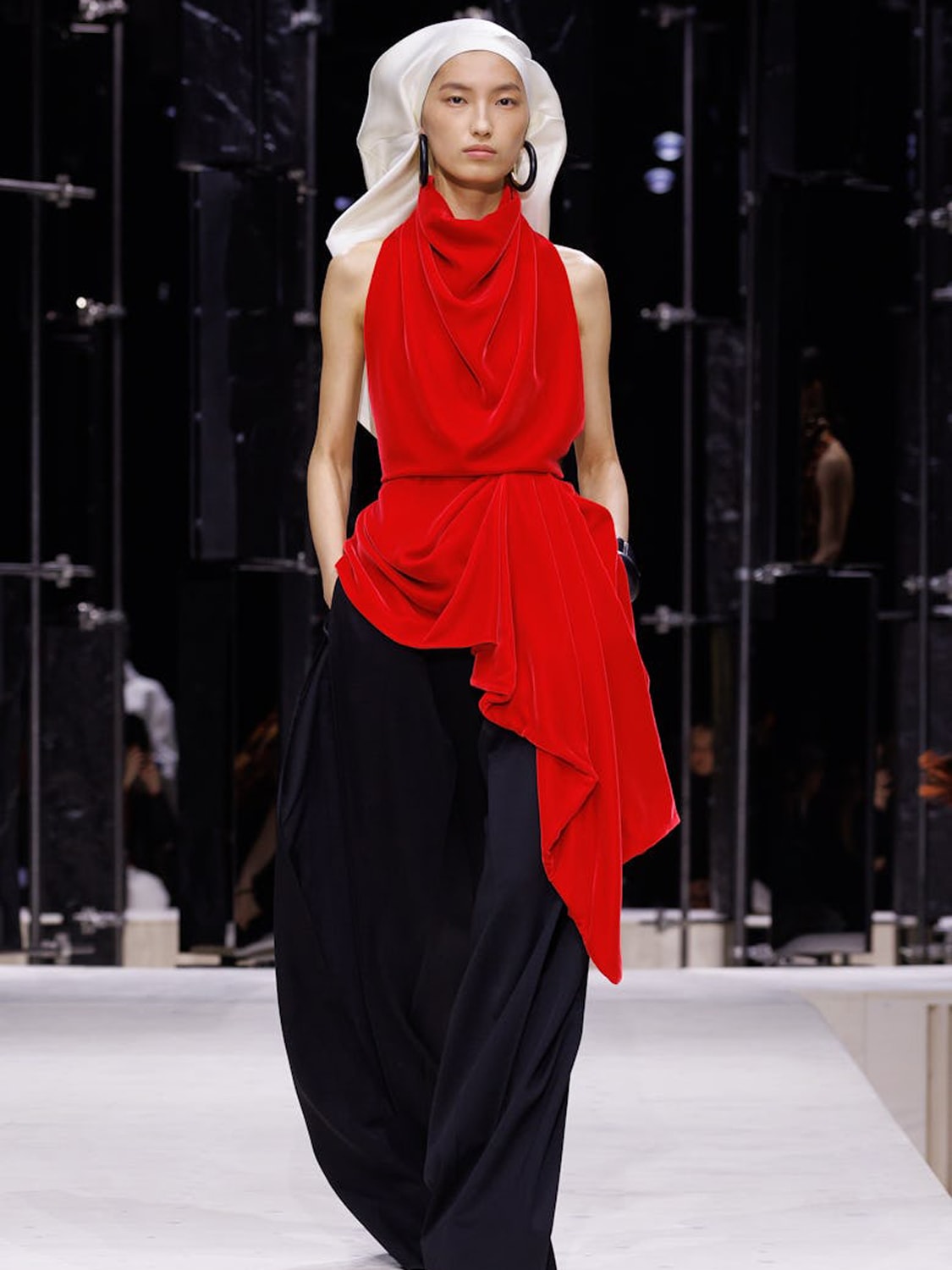
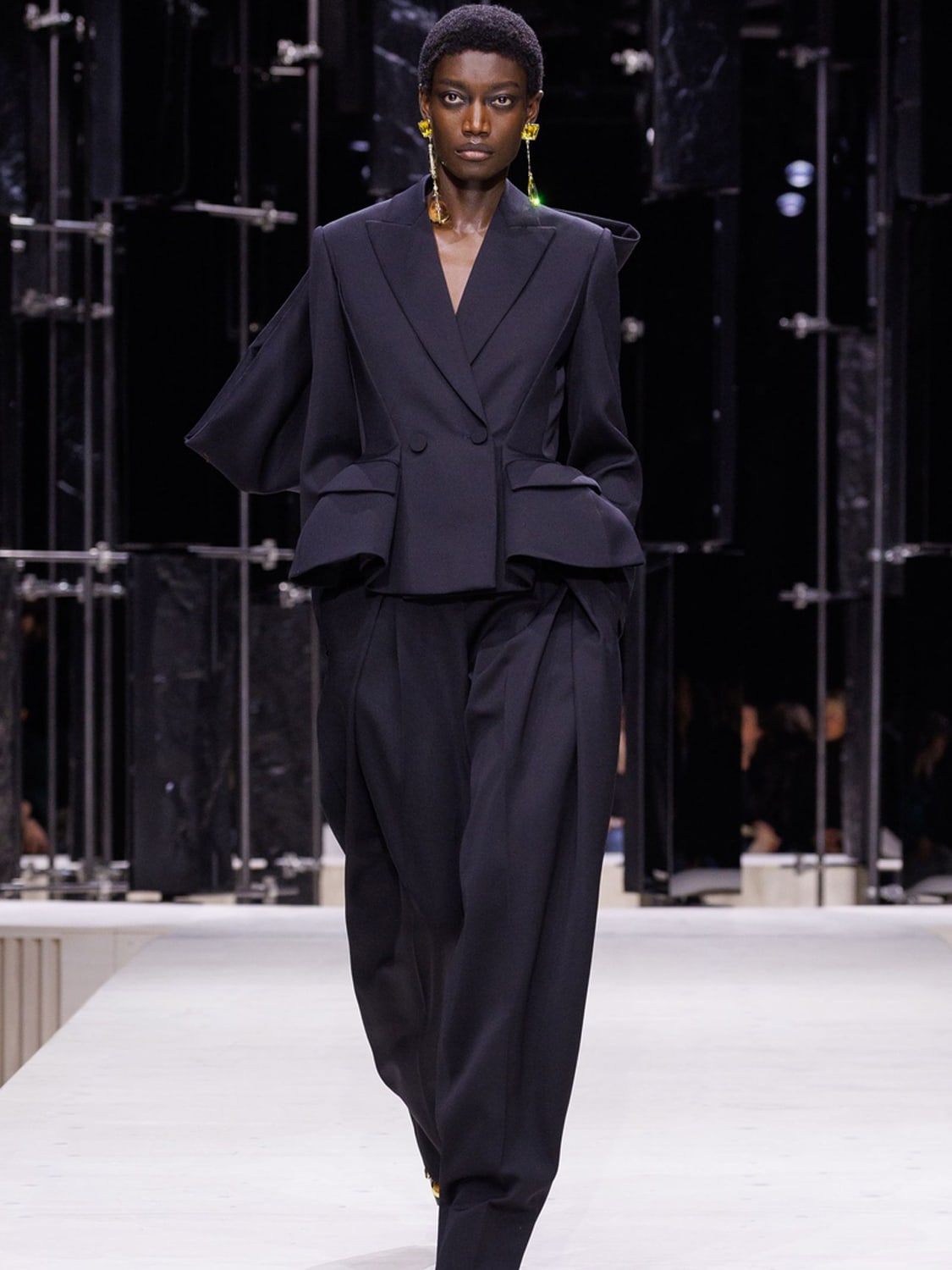
After 26 years at Alexander McQueen, including 13 as creative director, Sarah Burton brought a distinctly feminine perspective to Givenchy.
Her Fall 2026 collection expanded on the sharper silhouettes introduced in her debut season last year. Double-breasted suits and belted trousers emphasised precision, while lace dresses and kimono-inspired silks introduced fluidity. Playful touches – leopard-spotted shearling, jewel-toned fabrics – added personality to the tailoring. The contrast between strength and softness reflects Burton’s signature approach to femininity.
ANTONIN TRON FOR BALMAIN
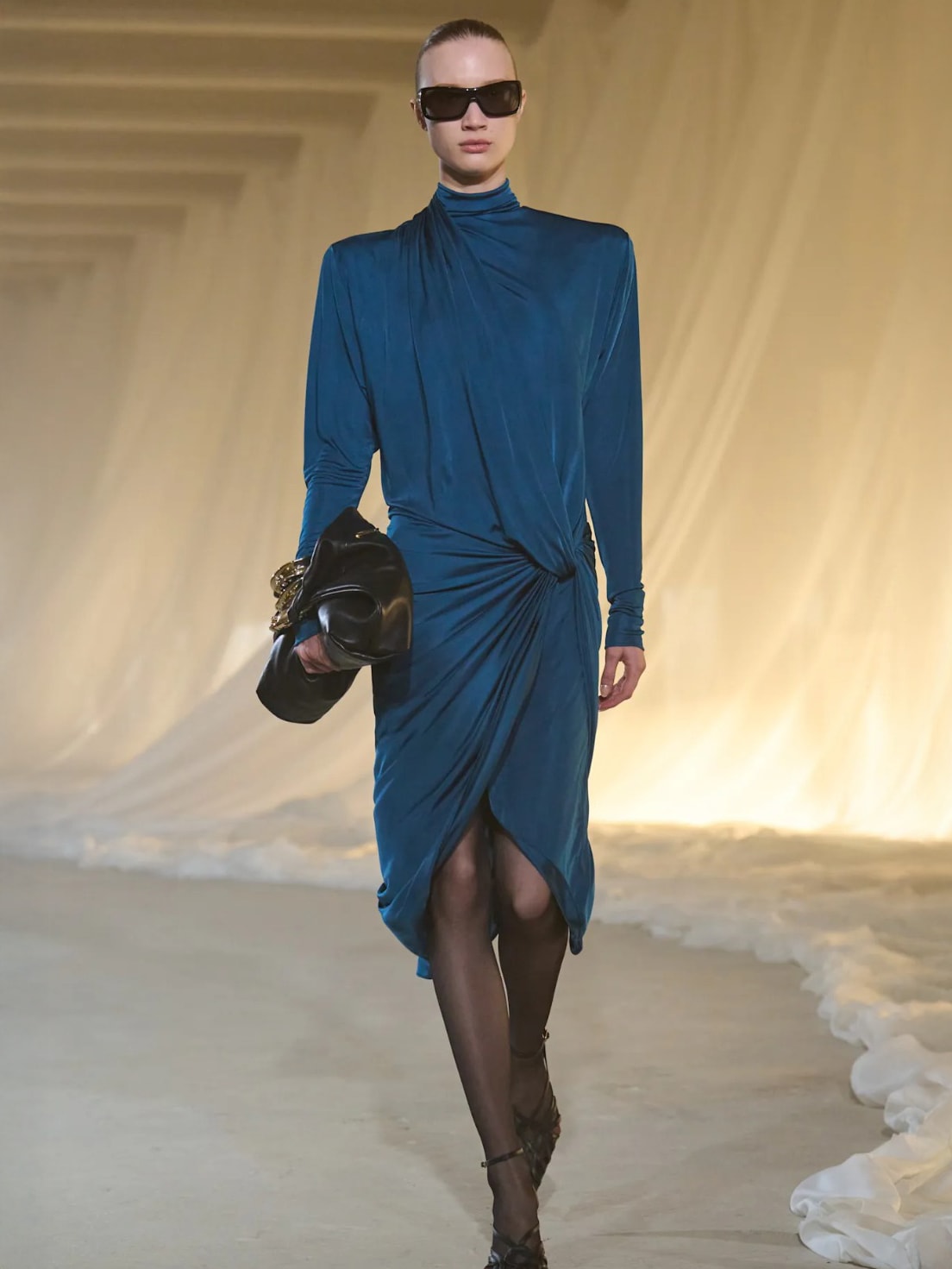
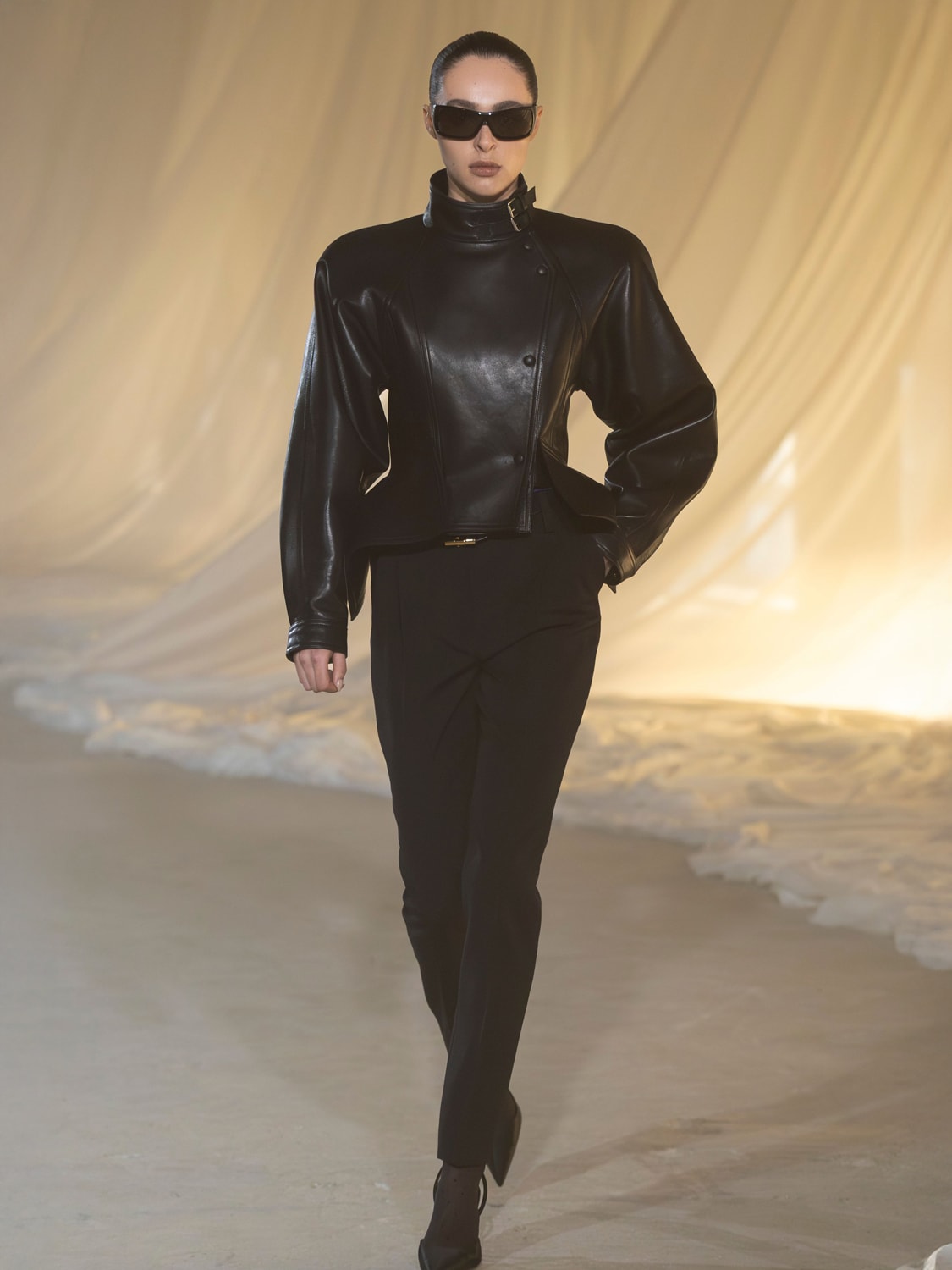
Fall 2026 marked a new era at Balmain, with Antonin Tron presenting his first collection for the house following the long tenure of Olivier Rousteing. Where Rousteing’s Balmain thrived on celebrity spectacle and embellishment, Tron’s debut signalled a quieter recalibration.
The collection unfolded in a darker, almost film-noir palette dominated by black leather, deep olive and metallic embellishments. Tron introduced techniques such as “liquid leather,” treated to move with the softness of fabric, alongside draped jersey dresses that traced the body. A revived peplum jacket, sculpted at the waist and flaring at the hip, emerged as a central silhouette.
The shift suggests a return to the architectural elegance associated with founder Pierre Balmain, replacing the house’s recent maximalism with what Tron calls a more restrained form of opulence.
MARIA GRAZIA CHIURI FOR FENDI
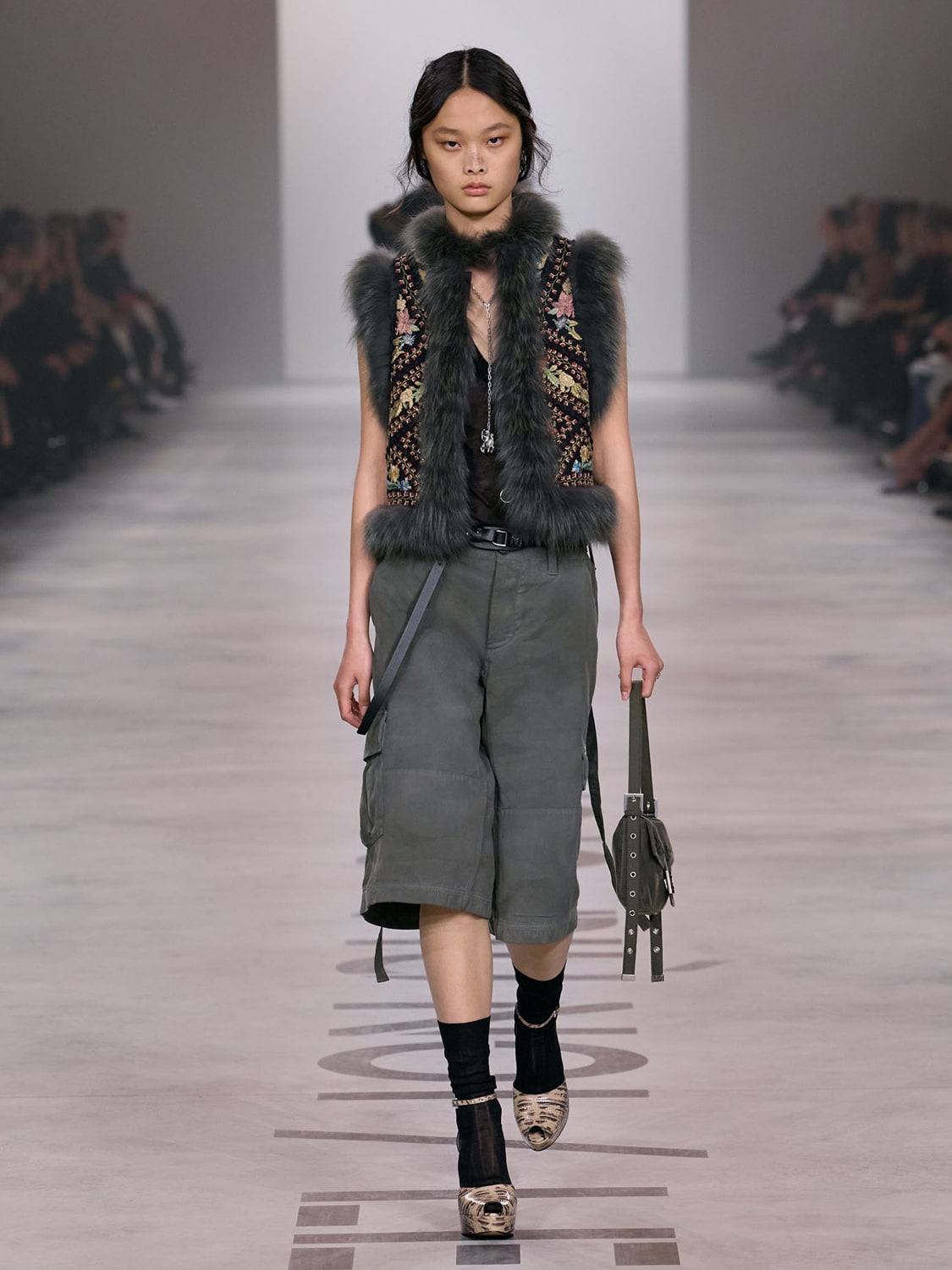
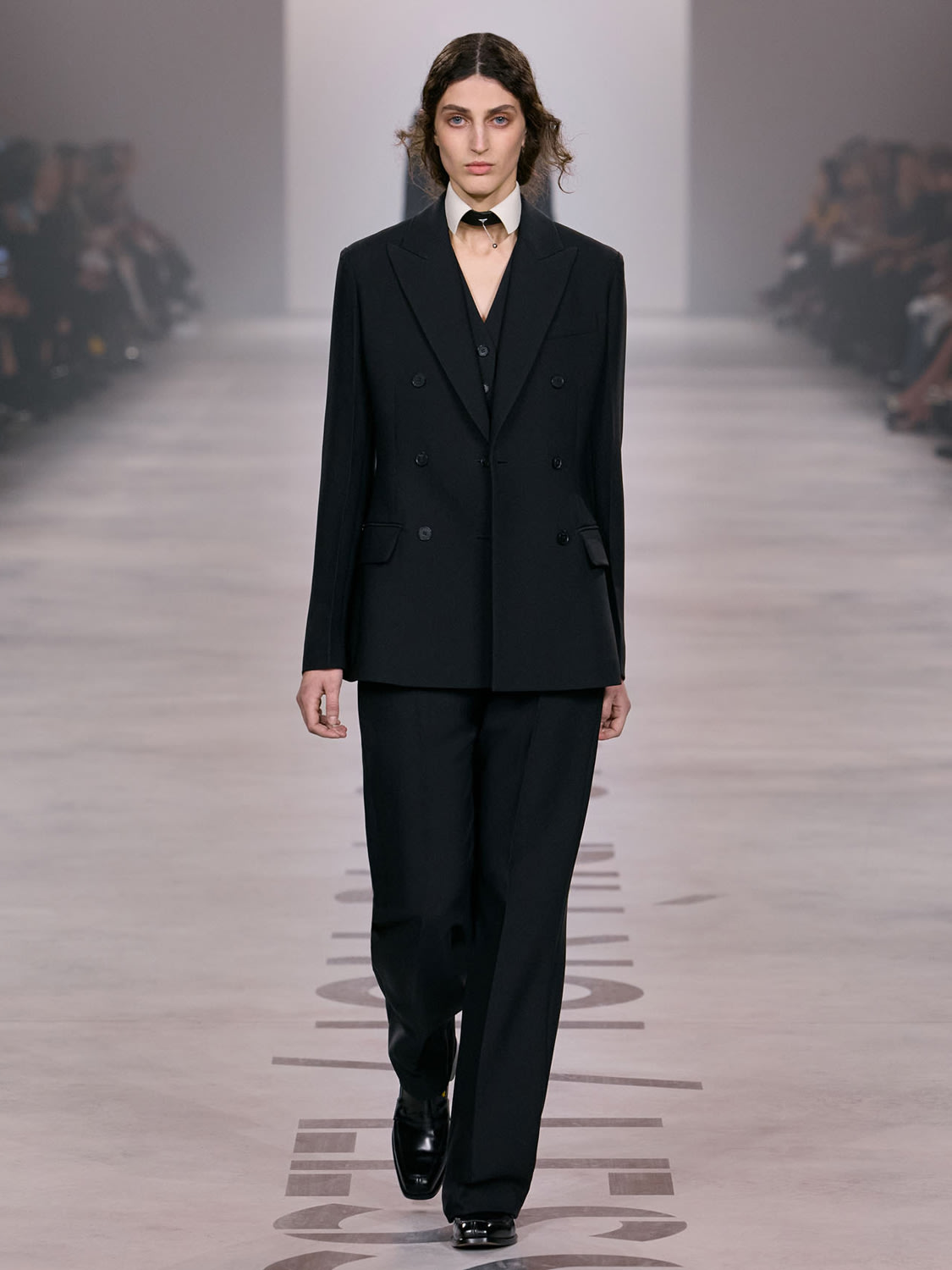
For Fall 2026, Maria Grazia Chiuri presented her first coed collection for Fendi, proposing what she described as “a shared wardrobe” – pieces designed to move fluidly between genders.
The collection centred on refined wardrobe staples, many rendered in a restrained palette of black and deep neutrals. Tailored coats, sharply cut suits and fluid trousers formed the backbone of the lineup, interspersed with a handful of fun pieces like a yellow leather jacket and fur-trimmed patterned vests.
This is a direction that aligns with Chiuri’s interest in clothes designed for everyday life, interpreted through Fendi’s tradition of Roman craftsmanship.
DURAN LANTINK FOR JEAN PAUL GAULTIER
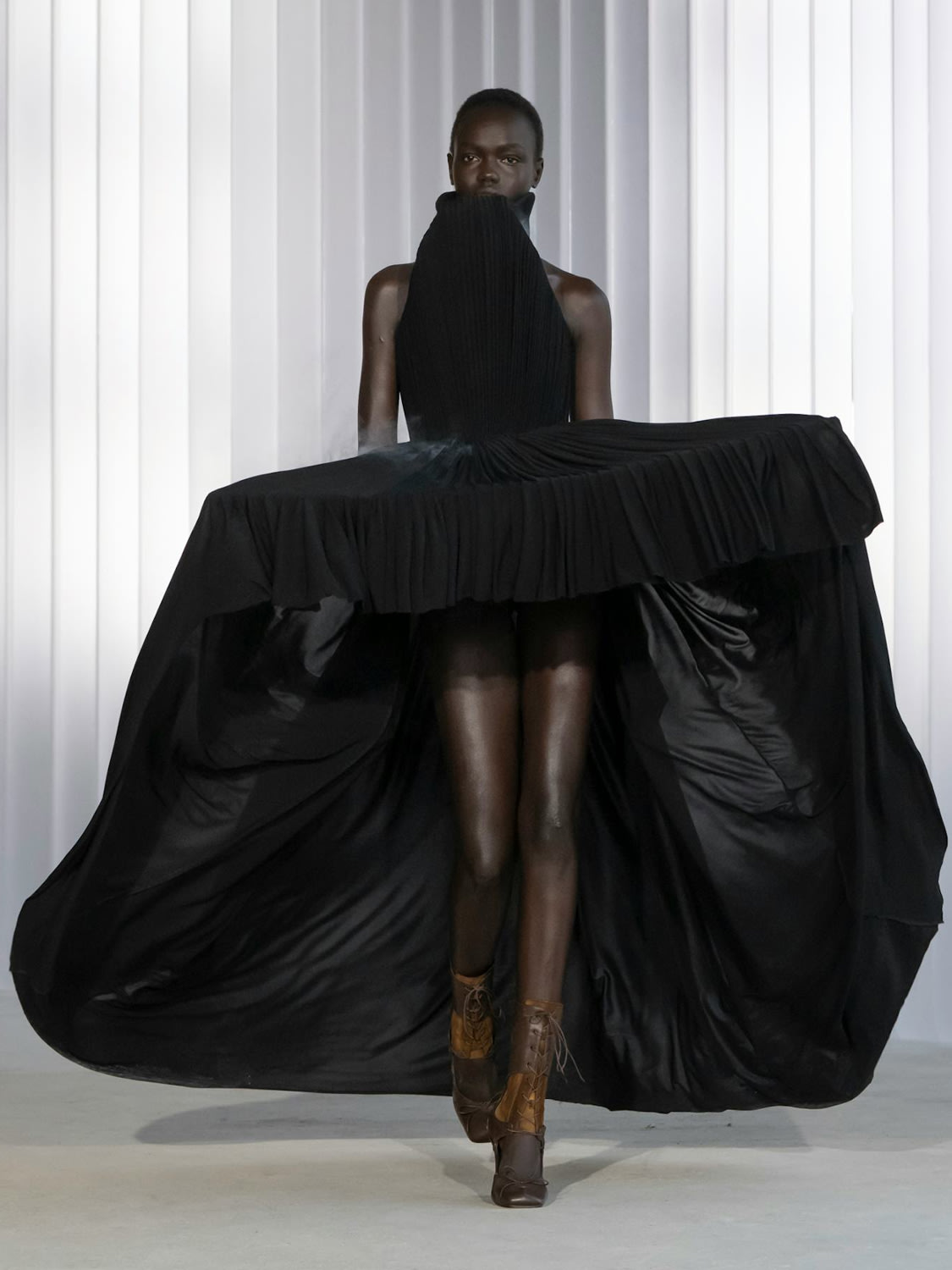
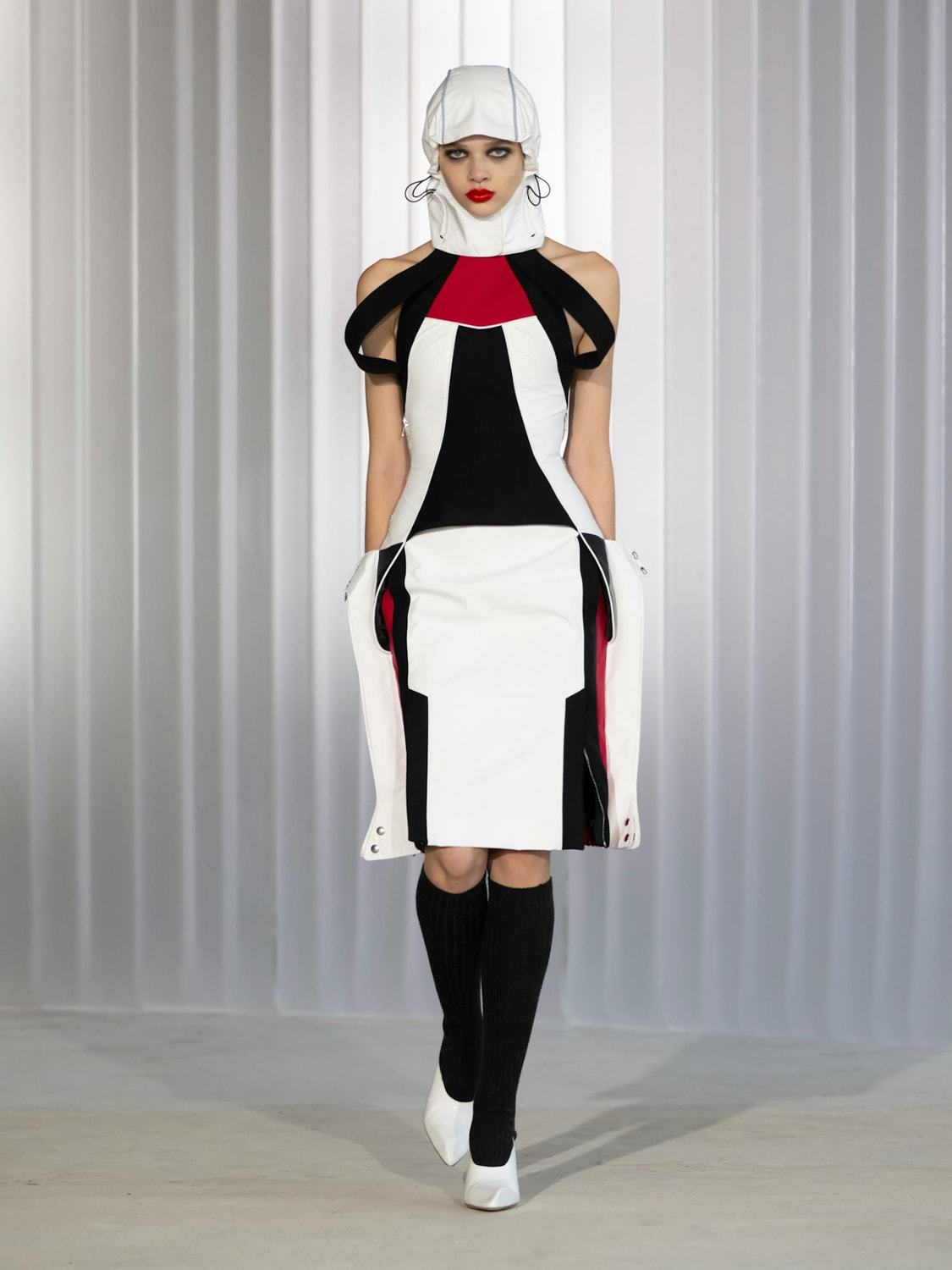
At Jean Paul Gaultier, Duran Lantink continued shaping the house’s ready-to-wear revival with his Fall 2026 collection – his second outing since taking on the role.
Lantink leaned into the irreverence that has long defined the label. Trompe-l’oeil prints and hybrid garments appeared throughout the lineup, often blending multiple clothing archetypes into a single piece. Sculptural dresses distorted familiar proportions and playful graphic treatments referenced Gaultier’s long history of visual subversion, while pushing the brand toward a younger, more experimental audience.
HAIDER ACKERMANN FOR TOM FORD
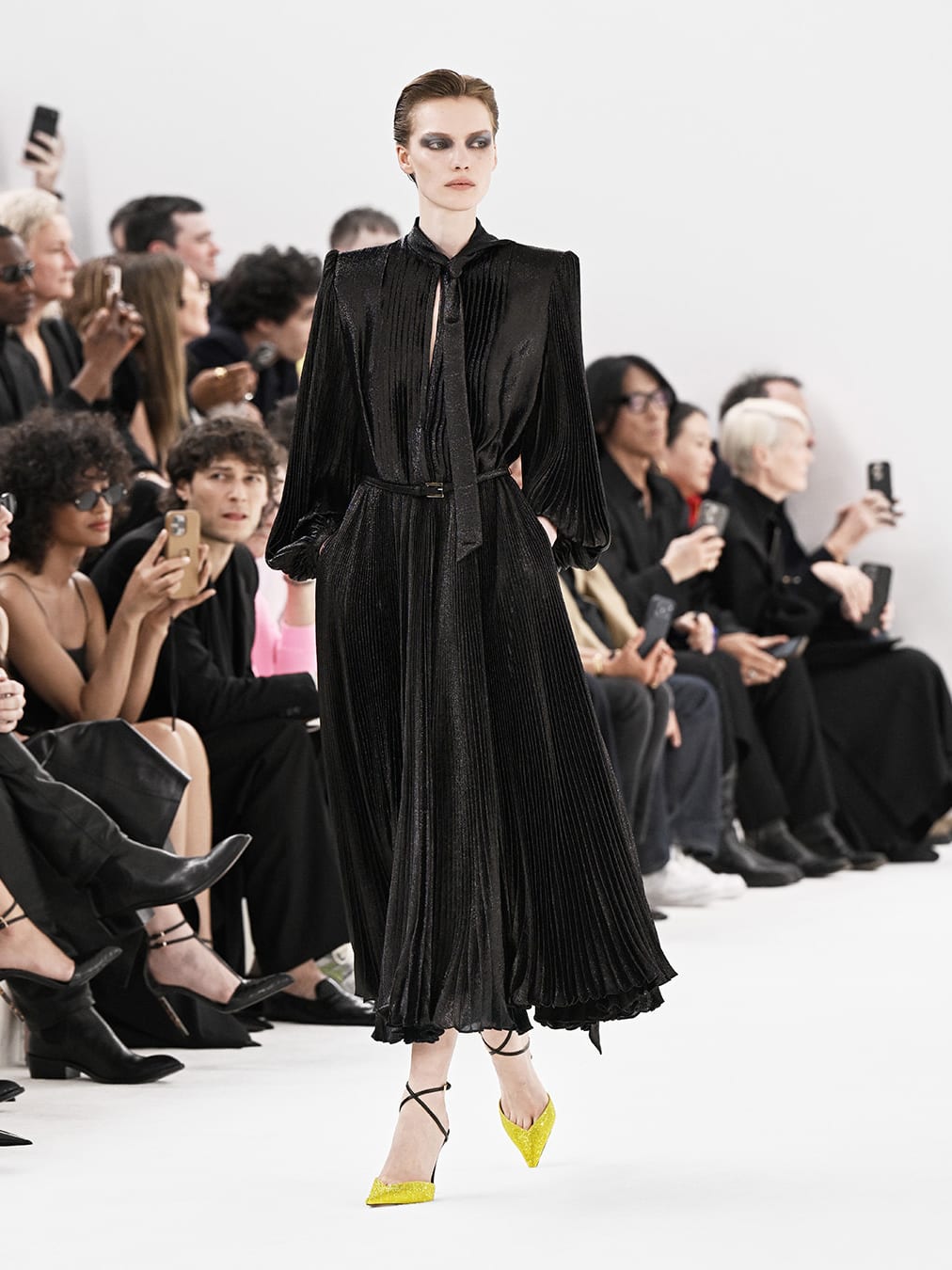
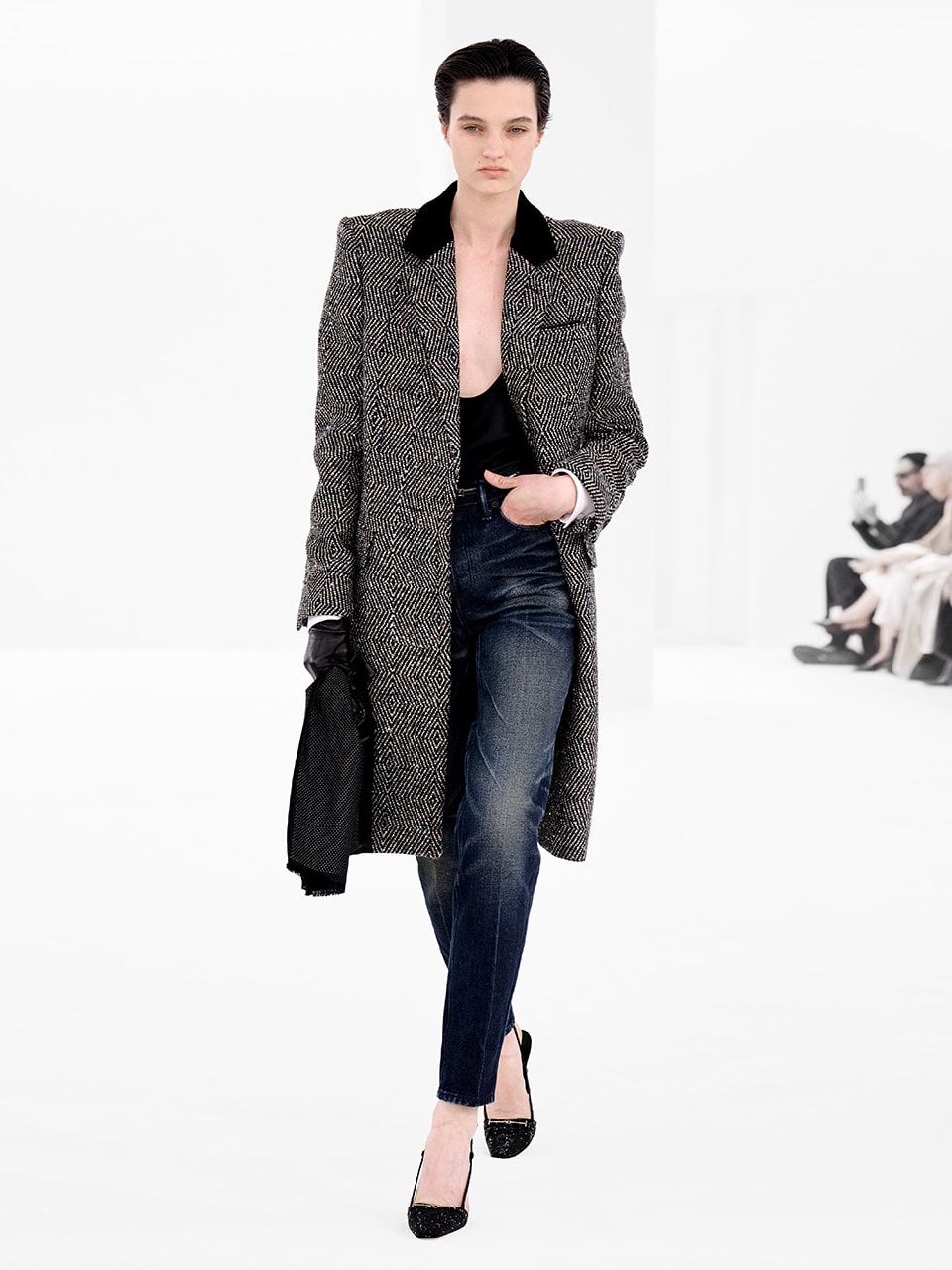
For Fall 2026, Haider Ackermann continued reshaping the vocabulary of Tom Ford.
Sharp tailoring met fluid sensuality: satin tuxedo jackets paired with languid trousers, structured blazers layered over slinky camisoles and dark slacks styled with silk shirts left casually unbuttoned.
Ackermann also introduced richer textures – glossy leather coats, sheer blouses and velvet eveningwear – softening the hyper-polished sex appeal long associated with the label. The mood remains seductive, but quieter and more introspective.
RACHEL SCOTT FOR PROENZA SCHOULER
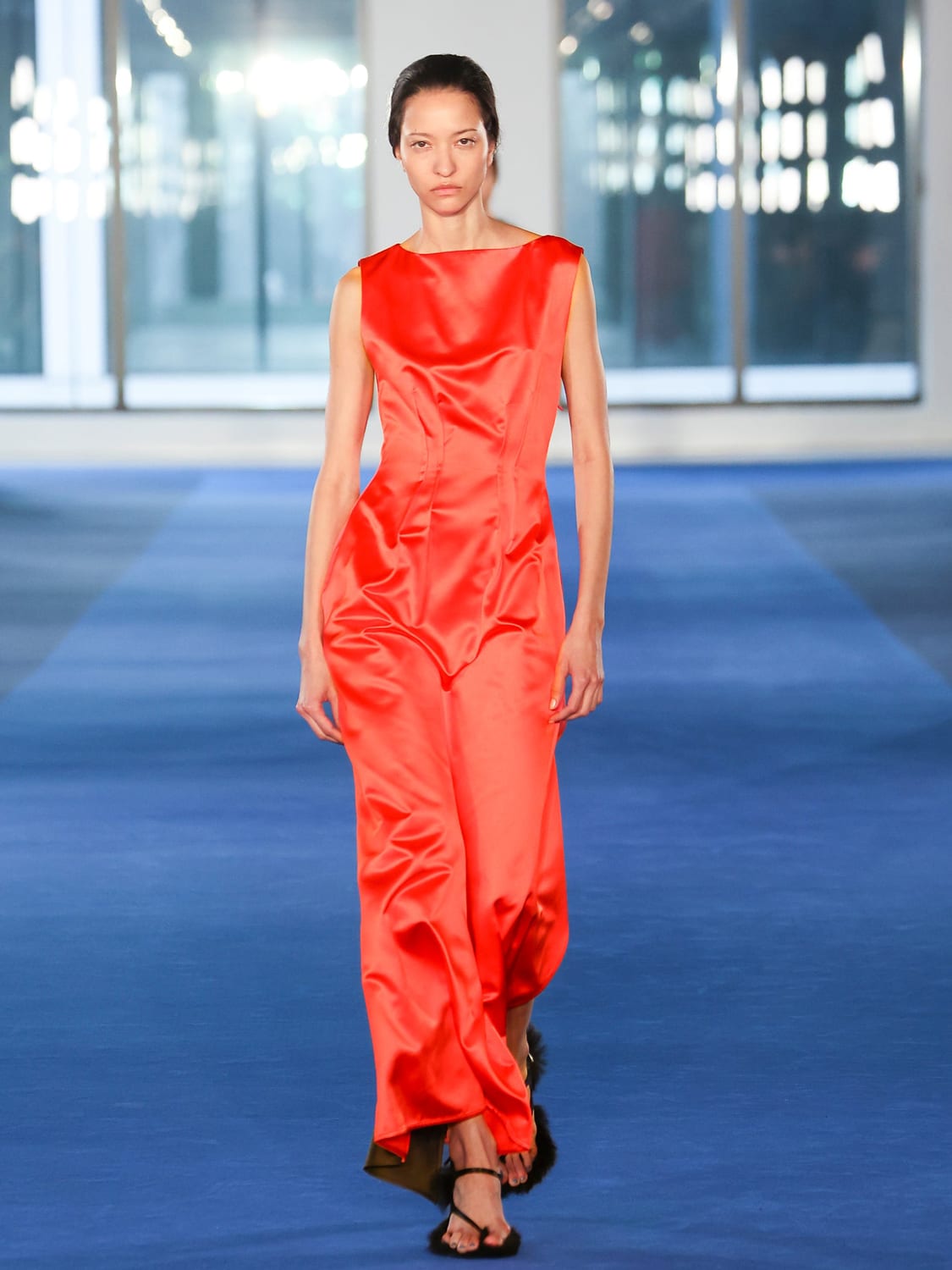
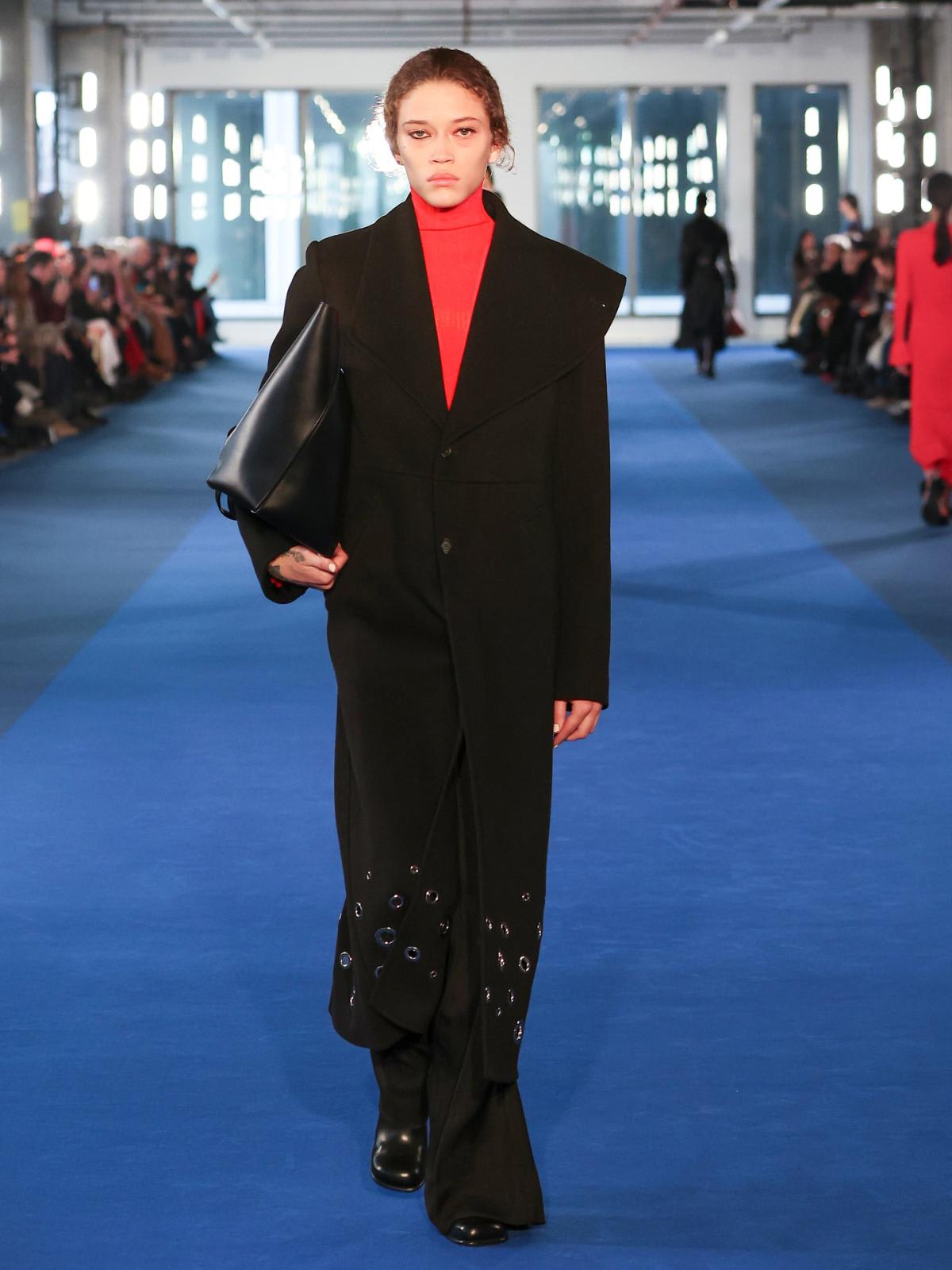
With founders Jack McCollough and Lazaro Hernandez departing for Loewe, Proenza Schouler entered a new phase under Rachel Scott.
Her Fall 2026 debut introduced slight imperfections into the brand’s previously pristine aesthetic. Dresses appeared rumpled or asymmetrically draped, buttons were done askew and metal grommets interrupted otherwise precise tailoring.
Accessories echoed the shift. Familiar bag shapes such as the Hex and bowler styles returned in mixed materials including eel and glossy goatskin, signalling Scott’s interest in texture and complexity.
GLENN MARTENS FOR MAISON MARGIELA
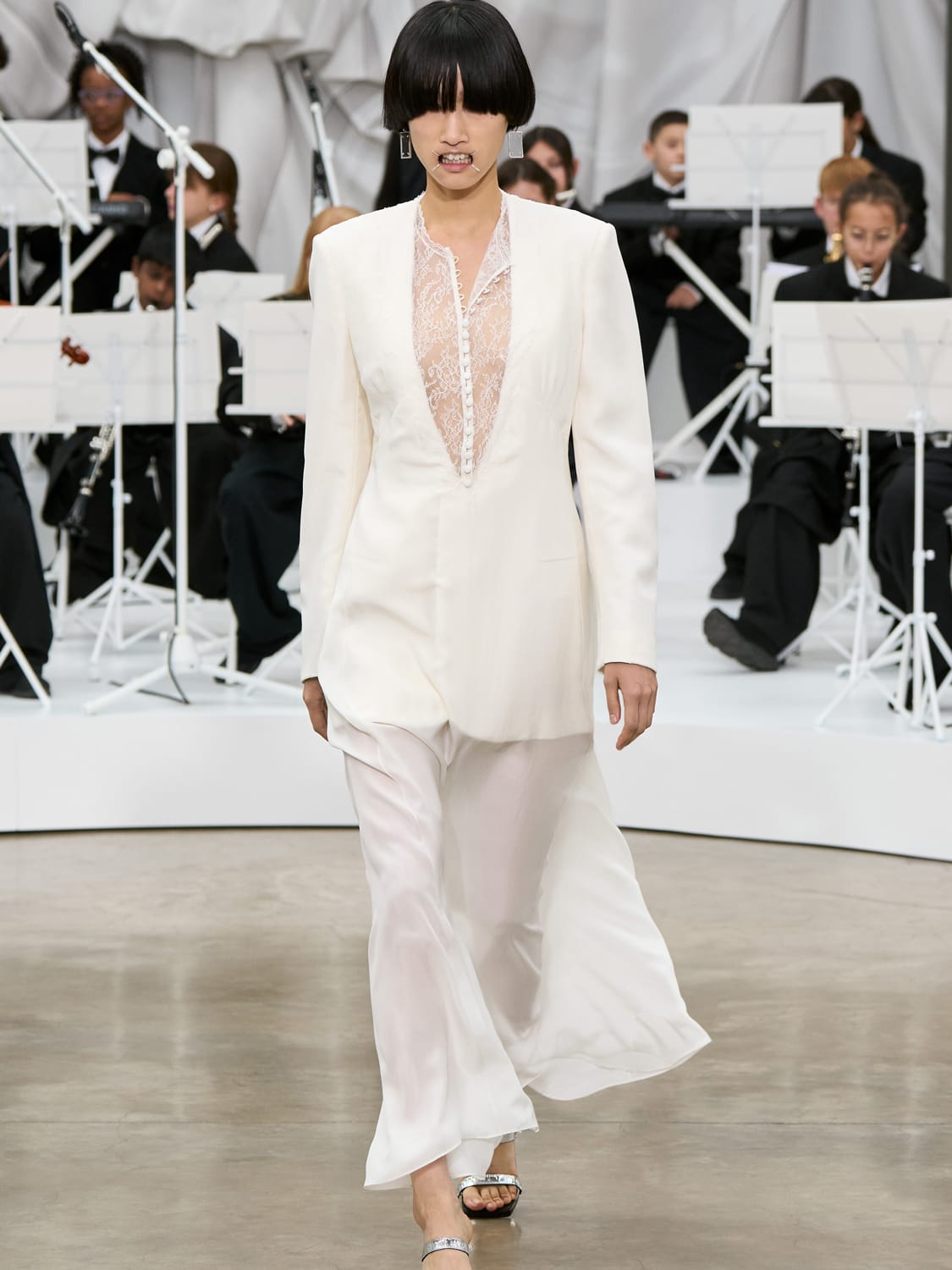
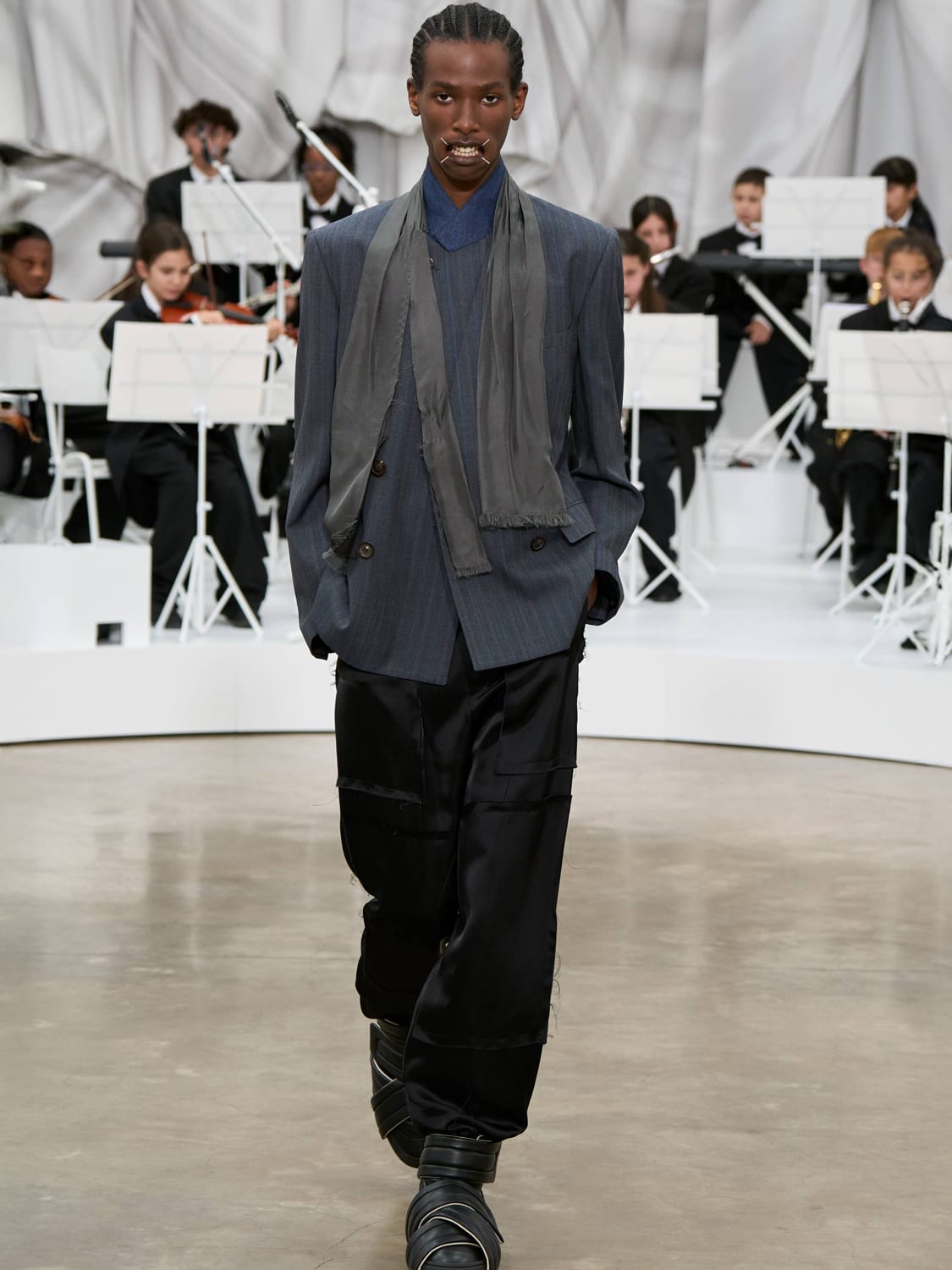
At Maison Margiela, the conversation has shifted under Glenn Martens. Known for his work at Y/Project and Diesel, Martens brought a more sculptural, body-aware approach to the house’s deconstructionist legacy. His Spring 2026 collection featured lapel-less suits tied at the front, silk-veiled jackets, and vintage-looking floral wrap dresses. Trompe l’oeil details – such as scarves fused onto the front of jackets – were executed with greater clarity.
Martens built his reputation at Y/Project on inventive garment architecture; at Margiela, the experimentation remains, but the lines are cleaner and the construction more tightly controlled.