How late is too late for dinner? Does eating earlier help with weight loss and blood sugar?
Dinner at 7pm, 10pm or even later? Dietitians explain how meal timing affects blood sugar, metabolism and weight loss – and what to do when work, supper plans or shift schedules make an early dinner impossible.
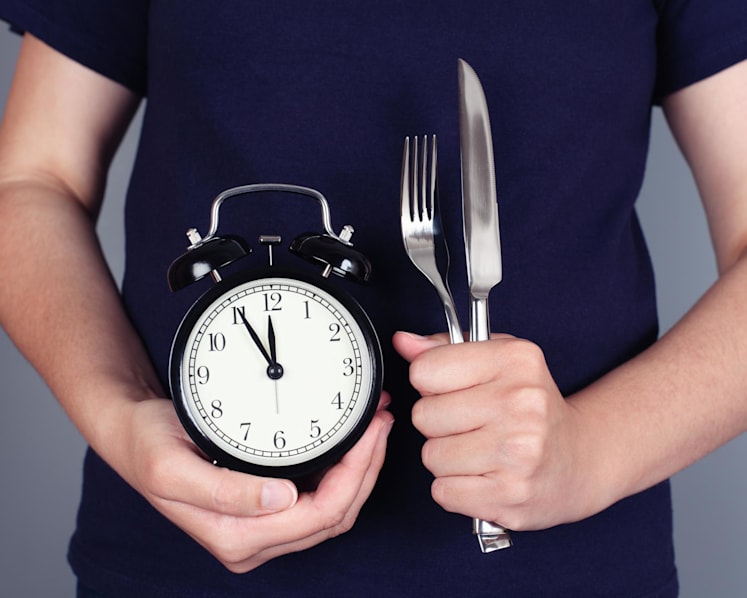
What's the best time to eat dinner? (Photo: iStock/Professor25)

This audio is generated by an AI tool.


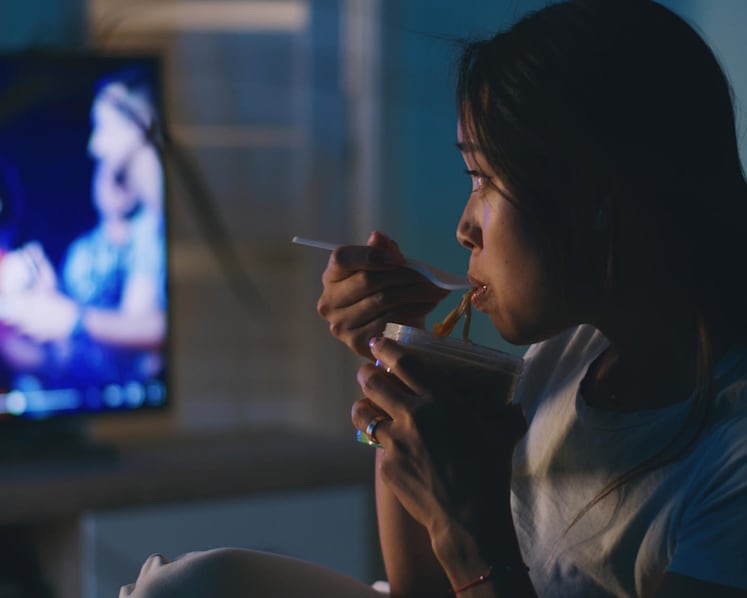
When you have to work overtime in the office, dinner is oftentimes eaten after 7pm. On some days, your last meal of the day might even be supper at 10pm, before you roll into bed for some doomscrolling and finally dozing off past midnight. If that is you – and you’re trying to control your blood sugar levels and shake off a few kilos – what does eating late dinners mean for your goals?
Several studies have found that the timing of your last meal of the day may be just as important as what you actually eat. According to them, your body’s ability to respond to insulin and glucose declines throughout the day, so eating earlier is better aligned with this drop.
But how early should your dinner be? What if life just doesn’t let you eat an early dinner? (Most office workers have only just left the office at 6pm, if they’re lucky.) And does that mean you don’t have to feel guilty about eating anything as long as you do it early in the evening?
HOW DOES EATING EARLY DINNERS HELP WITH WEIGHT LOSS?
Your body runs on an internal clock or circadian rhythm that “times the release of insulin, the sensitivity of muscle and fat tissue to insulin, and hormones like leptin (affects satiety), ghrelin (stimulates appetite) and melatonin”, explained Sow Bao Yin, a senior dietitian at Ng Teng Fong General Hospital.

This means that in the morning, your pancreas’ ability to produce insulin as well as your muscles’ ability to take up glucose are at their optimal, she said. But by evening, those functions would have wound down.
In fact, Sow said, “studies that directly compared identical meals given earlier versus later in the day found poorer glucose control, higher triglycerides, and even changes in fat-tissue genes that favour storing fat rather than burning it”.
Among a few studies done over the years, a recent one in 2025 analysed what happened when 20 young, healthy adults ate the same dinners at 6pm and 10pm. The team from Johns Hopkins School of Medicine found that those who had late dinners showed higher blood sugar levels and lower fat-processing capabilities compared to those who ate dinner early. It didn’t matter whether the participants went to bed right after eating, or gave themselves time to digest before going to sleep.
Why is that? A 2022 study linked it to melatonin. Your body’s melatonin level naturally climbs as the day winds down; it’s what makes you feel sleepy at night. However, more melatonin seems to interfere with your body's ability to regulate blood sugar levels, which then leads to higher and longer-lasting spikes after eating, explained Professor Frank Scheer, co-author of the study and the director of Medical Chronobiology Program at Brigham and Women’s Hospital, a teaching hospital of Harvard Medical School.
A late dinner also means you’ve been hungry longer – and the hunger can “lead to larger portion sizes and less healthy food choices”, warned Wong Hui Mei, the principal dietitian from Gleneagles Hospital. “This can contribute to a higher overall calorie intake.”

DOES THAT MEAN YOU CAN EAT ANYTHING – AS LONG AS IT’S EARLIER IN THE DAY?
You might still want to hold off on that extra order of rice. “Overall diet quality and calorie intake remain the primary drivers of health outcomes,” said Wong. Sow agreed that “one must still take into account total caloric intake and physical activity for sustainable weight maintenance and overall health”.
And it’s also not down to any singular meal, like that mala hotpot you over-indulged in last night. “To lose weight, you need to create a sustained energy deficit, not just over a few days, but a much longer period if you are seeking sustained weight loss,” said dietitian Jaclyn Reutens from Aptima Nutrition. While meal timing does influence your appetite, she acknowledged, you’re unlikely to produce sustained weight loss if total caloric intake exceeds energy expenditure.
“Calories determine if you lose weight and how much you lose. Meal timing influences how easy and how healthily you do it,” said Reutens. “A circadian-friendly meal timing is the added advantage in helping you lose weight.”
Still, you shouldn’t overlook the impact of late eating, which can raise hunger hormones such as ghrelin, relative to the satiety hormone leptin, so people feel hungrier and tend to eat more overall, explained Helen Chong, Alexandra Hospital’s dietitian. Late eating “also lowers energy expenditure and body temperature slightly, meaning fewer calories get burned off which can increase likelihood of weight gain”.
To sum it up, Chong said, “a late dinner combined with a ‘sluggish’ pancreas and a hormonal signal working against insulin at the same time may not be ideal”.
HOW DID DINNER TIME COME ABOUT IN THE FIRST PLACE?
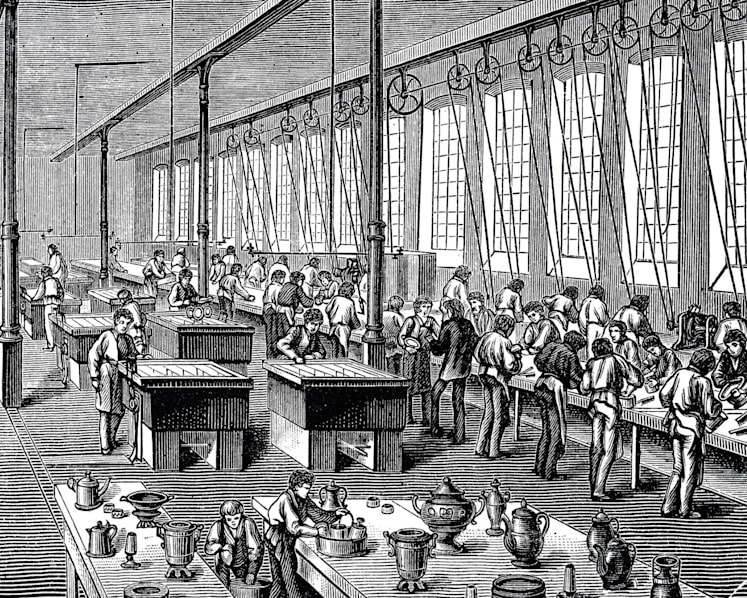
While you are familiar with the timings for breakfast, lunch and dinner – and may even feel hungry around those periods – mealtimes are not a “biological requirement”, said Wong. “Meal frequency and timing have varied across cultures and periods of history.”
Early hunter-gatherer humans certainly did not follow a fixed, three-meal pattern, said Reutens. “They ate whenever they found food.”
Even throughout pre-industrial history worldwide, the evening meal was often eaten before sunset for a practical reason: people needed daylight to prepare the last meal of the day. Burning candles, oil lamps or torches was an expense most ordinary folk couldn’t afford.
It was probably similar in Southeast Asia, where people in traditional agricultural societies ate their evening meal while there was still light. They were likely to snack or graze on morsels of food throughout the day whenever they felt hungry, rather than adhering to three rigid mealtimes.
It all changed during the Industrial Revolution in the 1800s. Factory workers in Europe and the US probably ate dinner as late as we do now as machines were kept working to optimise production, and workers didn’t leave until past 8pm. Those 12-to-16-hour shifts they had cemented the modern schedule for mealtimes that we still follow today.
“The mealtimes we think of as ‘normal’, breakfast when the sun rises, lunch at midday, perhaps a snack mid-afternoon and dinner when the sun sets, are largely a product of work, culture, technology rather than the fixed human biological clock,” said Reutens.
WHAT ABOUT IN SINGAPORE?
Singaporeans generally eat dinner at around 6pm to 8pm, said the dietitians that CNA Lifestyle spoke to. “A few key factors tend to shape the mealtimes of Singaporeans,” said Sow. “Long work hours and working overtime are probably the biggest as they routinely push meals later than planned.”
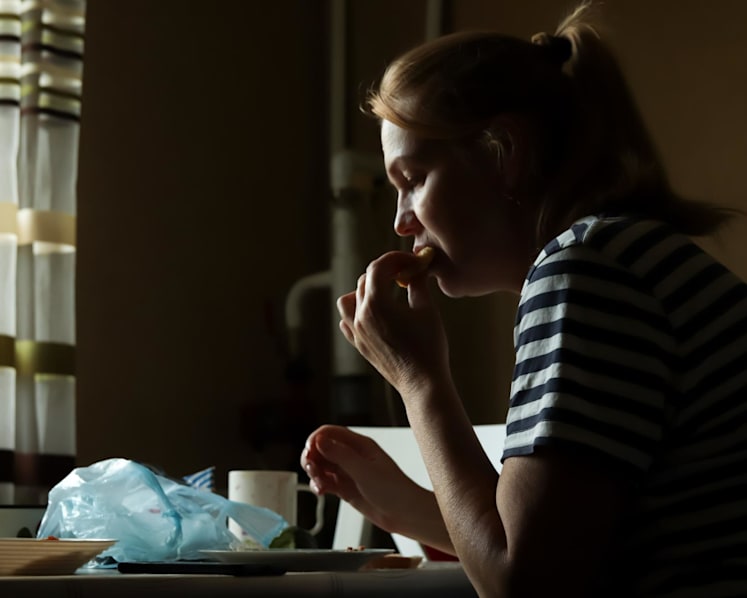
Still, “meal timings can be highly individualistic and influenced by many factors such as age, eating out with friends or family, availability of food in the vicinity, or whether they need to prepare their meals after work”, said Chong. “Some might take chronic medications that require meals to be taken immediately, or spaced one to two hours from meals.”
Night-shift workers form another outlying group. Although they do eat around the 6pm-to-8pm time frame, the order of their meals is reversed. “These workers consume their ‘dinner’ after finishing work between 6am and 9am before going to sleep during daylight hours. They then wake up for ‘breakfast’ between 5pm and 8pm before heading to work,” said Sow. As a result, their meals are forced into unconventional hours that don't align with their bodies' natural rhythm.
On a side note, there is an increasing number of individuals who only eat breakfast and lunch past noon: the 16:8 intermittent fasters (fast for 16 hours; eat during eight-hour window), highlighted Sow. “All their meals are compressed into an eight-hour window – commonly around 12pm to 8pm – with nothing eaten outside that period.”
While fans say the fasting helps them consume fewer calories, "it is ideal to eat within the first few hours upon waking up", said Reutens, "to prevent a dip in blood glucose level when you start your busy day". "Eating earlier prevents a raging appetite at lunch that can lead to unnecessary overeating." And if you exercise in the morning, it is preferred to top up your fuel tank, she said.
HOW LATE IS TOO LATE FOR DINNER?
“There is no universal cut-off for dinner when it becomes ‘too late’ to eat as this depends on your sleep schedule and daily routine,” said Wong. “From a metabolic perspective, it is generally preferable to consume most of your meals earlier in the day rather than late at night.”
As a practical guide, aim to finish dinner at least two to three hours before bedtime, advised Wong. “This allows sufficient time for digestion, reduce the risk of gastroesophageal reflux symptoms, and may support better sleep quality.”
What if you’re a late sleeper? Can you afford to eat dinner later? “The key is to maintain regular meal timings that fit your sleep pattern and daily routine, while avoiding large meals close to bedtime,” said Wong.
What this means is, say you choose to eat a lighter meal for your last meal of the day; you need to make sure you are consistent throughout the week, said Reutens. “You cannot expect weight loss if you eat a light dinner from Monday to Friday, and a heavy dinner on Saturday and Sunday.”
WHAT IF YOU’RE ALREADY HUNGRY AT AROUND 3PM?
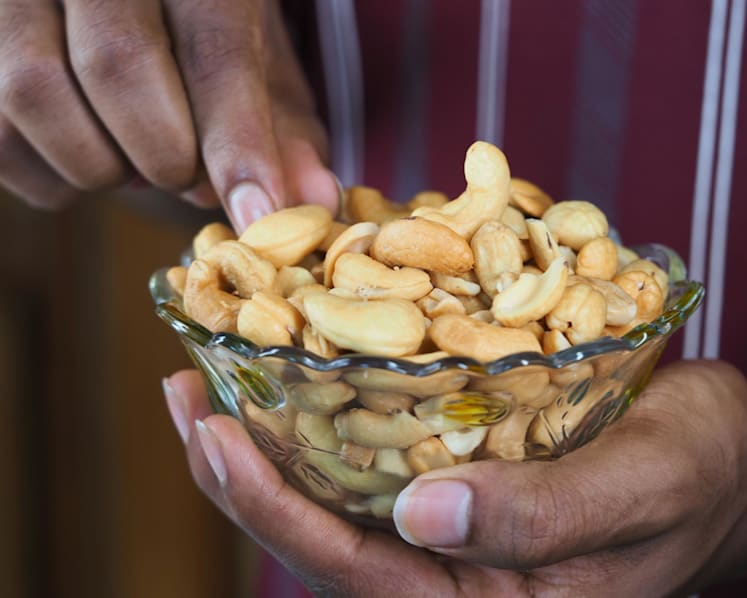
It is perfectly reasonable to have a healthy snack rather than waiting until dinner, said Wong. “This can help prevent excessive hunger and reduce the likelihood of overeating at the next meal. The key is to choose a nutritious snack and keep portions sensible.”
Chong suggested a piece of fruit; small packet of biscuits; small handful of baked nuts; cup of low fat milk; or less-sugar soymilk to tide you over before your next meal.
To help you maintain enough energy through to the second part of the day – and avoid overeating, said Reutens, time your lunch about three to five hours after breakfast; dinner can come anywhere between four and eight hours thereafter. Some mealtime examples below:
- Breakfast: 8am
- Lunch: 12pm
- Snack 4pm
- Dinner: 7pm
- Sleep: 10pm or later
Or if you’re starting your day later:
- Breakfast: 9am
- Lunch: 1pm
- Dinner: 7pm
- Sleep: 10pm
HOW DO WE TACKLE SUPPER?
If it’s an occasional late supper, relax. It is unlikely to determine your weight or overall health, said Chong. “What matters more is the overall pattern of eating, including the frequency of the late suppers and the food choices made.”
The size of your supper matters, too. “Some evidence suggests that consuming large meals late at night may result in less favourable glucose regulation compared to eating earlier in the day,” said Chong.
Impromptu supper invitations are inevitable. So, what can you do to avoid coming across as anti-social or a wet blanket? Choose items that are steamed, boiled, baked, grilled, pan-fried or in soups rather than deep-fried to reduce saturated fat, trans fat and calorie intakes, said Chong. Order sharing portions, and limit the amount of gravy and sauces.
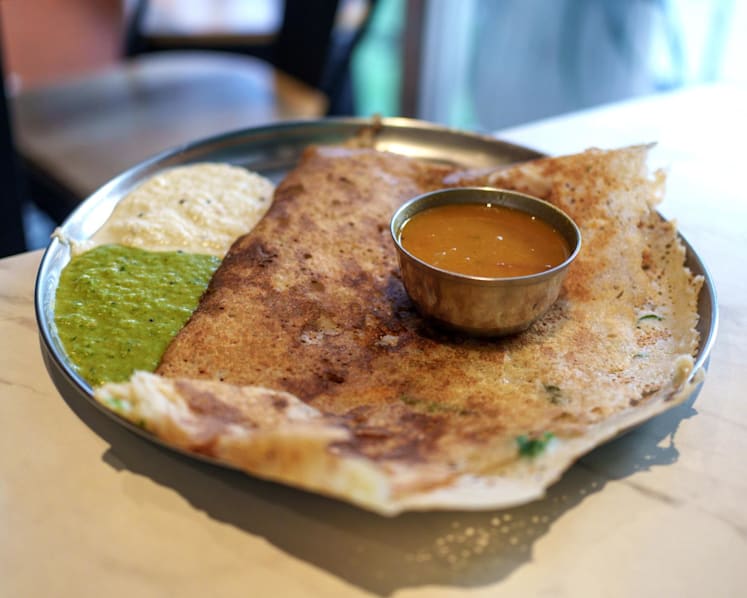
If you’re eating at a prata shop, a popular supper locale for many Singaporeans, “go for lighter meals such as thosai and skip the sweet drink”, said Reutens. Or just one plain prata with a teh-o kosong or teh tarik kurang manis (less sweet).
In fact, watch the drinks as they can make or break your weight-loss efforts – and your sleep. Avoid alcohol, carbonated drinks, caffeinated beverages, and sugar-sweetened drinks, said Sow. “They can disrupt sleep, worsen acid reflux, and affect blood glucose control.” You’re better off sipping chamomile tea or plain water.
If you know that supper is going to happen, said Reutens, have your dinner as supper. “This way, you can eat more and still be within your calorie budget. You might need to have a healthy snack between lunch and your very late dinner, so that you do not risk over-ordering at dinner.”
To help you along, stay well hydrated throughout the day, advised Reutens. “Being dehydrated has a damaging impact on hunger cues and hunger hormones that can lead you to overeat at any time of the day, disrupting your best efforts to lose weight.”
Often get the munchies at night? Stock your fridge with low-fat milk, yoghurt or fruit, suggested Wong. Sow recommended a cup of air-popped popcorn without oil, a small steamed bao, a few plain crackers, or a portion of unsweetened beancurd.