'Sleep is a family affair': Why one person’s poor sleep affects everyone else at home
From snoring partners to night-owl teens, mismatched sleep habits at home can leave the whole family exhausted. Experts explain how different routines and body clocks in multigenerational homes often disrupt sleep – and what can help everyone rest better.

A snoring partner is one of the most common reasons why people eventually seek medical help for sleep disruption. (Photo: iStock/klebercordeiro)

This audio is generated by an AI tool.
If you wake up feeling exhausted, as if you’ve barely rested, chances are you are not the only one with a sleep debt. Sleep is often seen as a personal matter. But experts say that poor sleep does not affect just one person at home.
“The truth is that sleep is very much a family affair,” said Dr Shaun Loh, senior consultant ear, nose, and throat (ENT) surgeon at The ENT, Voice and Snoring Clinic (Napier).
“Our sleep schedules are often shaped by the routines of the people we live with. One person’s sleep and wake times, noise as they go about their activities, device use or medical issues can disrupt the sleep of the bed partner and everyone else sharing the same home,” he added.
Dr Loh pointed out that Singapore’s compact apartment sizes and shared bedrooms can intensify sleep disturbances within a household. Every person’s habits can easily affect other family members.
A snoring partner for instance, can become a major sore point among sleep-deprived couples. This type of sleep disruption is also among the most common reasons why people eventually seek medical help, the experts CNA Women spoke to noted.
Dr Chua Ai Ping, senior consultant at Respiratory Medicine at Ng Teng Fong General Hospital, recalled a middle-aged patient who sought medical attention for loud habitual snoring. It disrupted his wife’s sleep and was straining their marital relationship.
“He was found to have severe obstructive sleep apnoea (OSA) and started on breathing machine treatment,” she said. When his thunderous snoring resolved, their sleep improved too, and so did their relationship.
WHEN DIFFERENT BODY CLOCKS SHARE A SLEEP SPACE
In many multigenerational households, sleep disturbances can get complicated because people at different life stages run on different internal body clocks. This can lead to conflicting sleep-wake schedules.
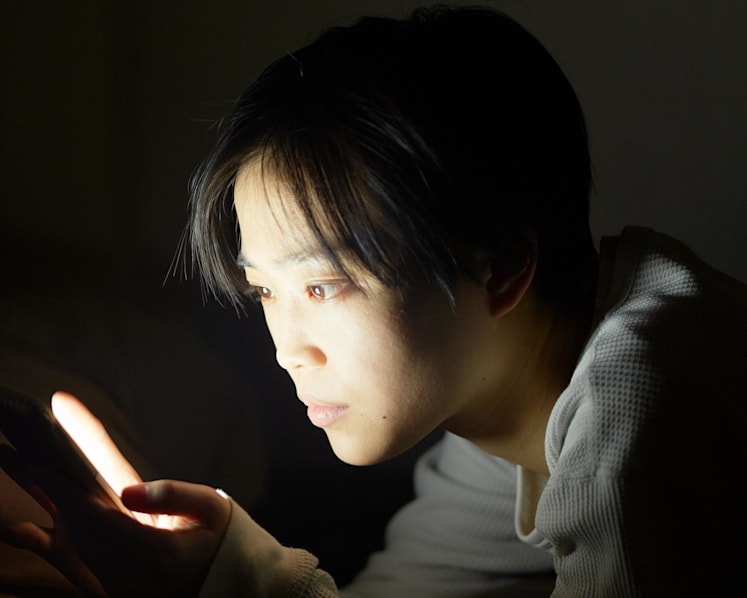
For families with adolescents, there is a biologically-driven reason why your Gen Z child seems to perk up just as everyone else is sleepy: During adolescence, there is a biological shift known as delayed sleep phase, which causes teenagers to become tired later at night and prefer waking up later in the morning, explained Dr Loh.
“This adjustment is primarily driven by puberty rather than ‘bad habits’, leading teens to remain awake late for homework or device use simply because they are not sleepy. This may disturb younger siblings sharing a room or parents elsewhere in the household,” he said.
On the other hand, their grandparents may experience advanced sleep phase, which means earlier bedtimes and morning awakenings, he added.
A misconception that can further disrupt sleep in households with young children is the belief that they will “knock out”, like adults, when they are exhausted. This is not the case, according to Dr Loh.

“In reality, overtired young children often become hyperstimulated, irritable and restless, making it harder for them to fall asleep. This in turn adds to everyone’s frustration and pushes the household routine later,” he said.
WHY IMPROVING SLEEP AS A FAMILY MATTERS
Experts say that chronic sleep deprivation can take a toll on mental and physical well-being, and relationships.
Repeated sleep disruptions may strain marital relationships and, in some cases, lead couples to consider separate sleeping arrangements, said Dr Chua. “The bed or room partner may wake up feeling tired and experience daytime sleepiness affecting daytime activities.”
Sleep deprivation can also affect mental wellbeing, contributing to mood changes, such as increased irritability, anger, feeling depressed and anxious, along with concentration, memory or attention issues, she added.
There are also longer-term implications too. “Sleep loss affects hormones that regulate appetite and metabolism, which is why people tend to gain weight more easily when they are consistently tired,” said Dr Loh.
“There is strong evidence linking insufficient sleep with higher cardiovascular risk, and we also see poorer immunity because slow-wave sleep plays an important role in supporting immune function,” he added.
There are several stages of sleep. Slow-wave sleep is also known as deep sleep, which helps one feel refreshed upon waking. Besides improving immunity, this restorative stage of sleep also supports recovery and growth, according to a HealthHub article.
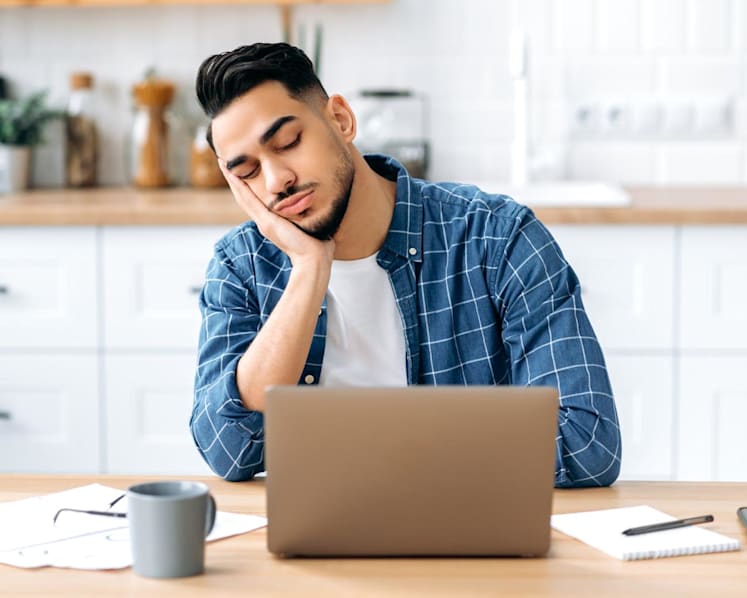
For growing children and teenagers, adequate sleep is required to help them grow and develop well. One way to get teenage night owls to buy into the importance of sleep is to frame it in terms that matter to them. “Sleep regulates hormones that influence how their skin looks, which is often a strong motivator at that age,” said Dr Loh.
“REM sleep and deep sleepare essential for organising and consolidating new information, which directly supports learning and memory.
“Explaining that good sleep can help them think more clearly, retain what they study and perform better in school often resonates more than abstract rules about sleep hygiene,” he added.
REM, or rapid eye movement, sleep is a stage of sleep where the brain is very active and the eyes dart around rapidly behind the eyelids. This is when most dreams occur and occurs about 90 minutes after falling asleep, according to a National Sleep Foundation article.
LIFESTYLE AND HOME ADJUSTMENTS FOR BETTER SLEEP
Simple tweaks and getting everyone at home to agree to prioritise sleep can improve sleep.
Light and noise are major factors for sleep disturbances, especially in more compact living spaces. For example, bright lighting in the living room or noise from video games or cooking a late-night meal can delay the transition into sleep for someone nearby.
“Use of blue light-emitting devices and prolonged screentime close to bedtime may make it harder to transit to restful and sustained sleep state. Delayed sleep time and audio noise or phones can also make it more difficult for a bed or room partner to fall asleep,” said Dr Chua.
Experts generally recommend switching to warmer, dimmer lighting in the evenings and avoiding turning on screens once the household starts to wind down for the day.
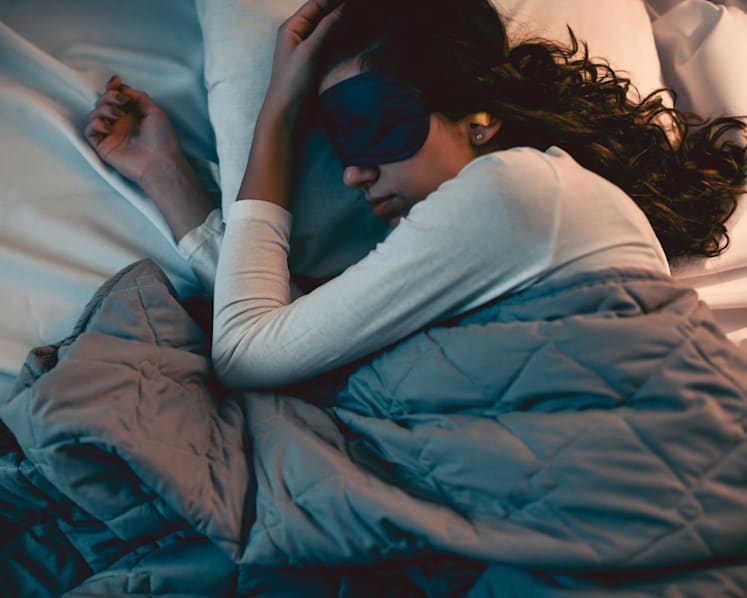
If one person needs to stay up later to study or finish work, Dr Loh suggests using warm, directional lighting such as track lights or desk lamps with shaded beams that help prevent light spillover into sleep areas. When possible, shift late-night activities to the living room or kitchen after others have gone to bed.
“Parents can also consider bed tents for siblings who share a room, especially if the children dislike wearing sleep masks, as these create a darker and more protected sleep zone. Headphones for the awake person and earplugs for the sleeper can further reduce noise disturbance,” he said.
Those working outside of regular day hours can also play their part to minimise noise and light when they are home from work, Dr Chua added. During the day, other family members need to be mindful about keeping noise levels down so shift workers can rest.
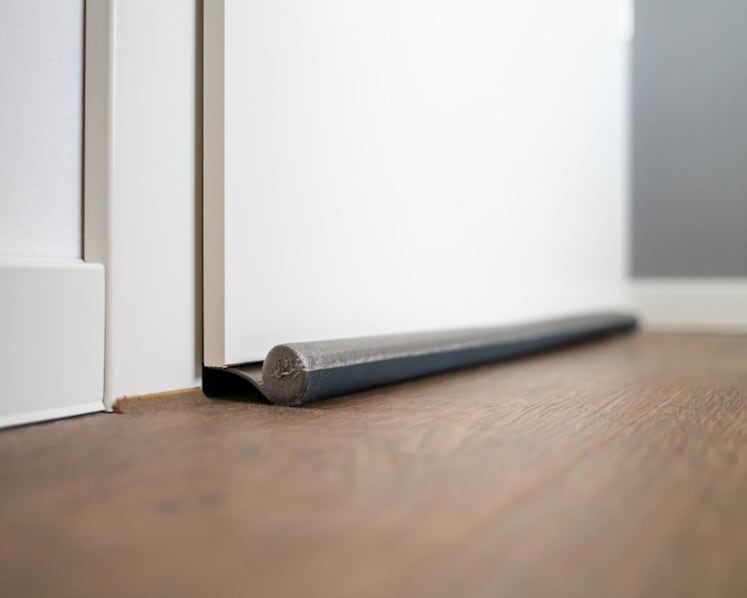
Consider practical home adjustments. These include soft-close fittings for drawers and cabinets, door bumpers to soften door-closing sounds, blackout curtains and seals under door gaps to prevent light from streaming into sleep spaces. For homes near busy roads, using white noise machines, or even a simple fan, can mask more disruptive traffic sounds, said Dr Loh.
Another science-backed strategy Dr Loh offered is to keep a consistent sleep-and-wake schedule throughout the week. This helps your internal clock stay aligned and function at its best, and everyone will fall asleep faster, sleep more deeply and wake feeling more refreshed, he explained.
“When bedtimes and wake times swing by several hours between weekdays and weekends, the body experiences what we call social jet lag. This is the feeling of being out of sync on Monday mornings because the body clock has shifted over the weekend, very much like flying across time zones without actually travelling,” he said.
WHEN TO SEEK MEDICAL HELP
It may be time to get a professional assessment if sleep does not feel refreshing and affects how you function in the day, even when you seem to get the recommended amount of sleep.
For most adults, this means around seven to nine hours of sleep per night. Teenagers typically require about eight to 10 hours while school-going children need nine to 11 hours.
“I usually advise families or individuals to consider a medical evaluation when tiredness becomes persistent, and they cannot clearly explain why it is happening. If someone is sleeping within (the recommended) range yet still feels unrefreshed, then it is important to look more closely at sleep quality,” said Dr Loh.
The first step is always to review sleep hygiene, including routines, light exposure, screen use and whether the sleep environment is conducive to rest. If problems persist even with reasonably good sleep hygiene, it may signal a sleep disorder like OSA and insomnia, he added.