Is creatine the secret to stronger workouts and sharper focus? What it does, who can take it and who shouldn’t
Creatine replenishes the "rechargeable batteries" in your body's cells, which get depleted when you're performing short, powerful bursts of exercise, or when you’re studying, focusing and multitasking. Find out more.
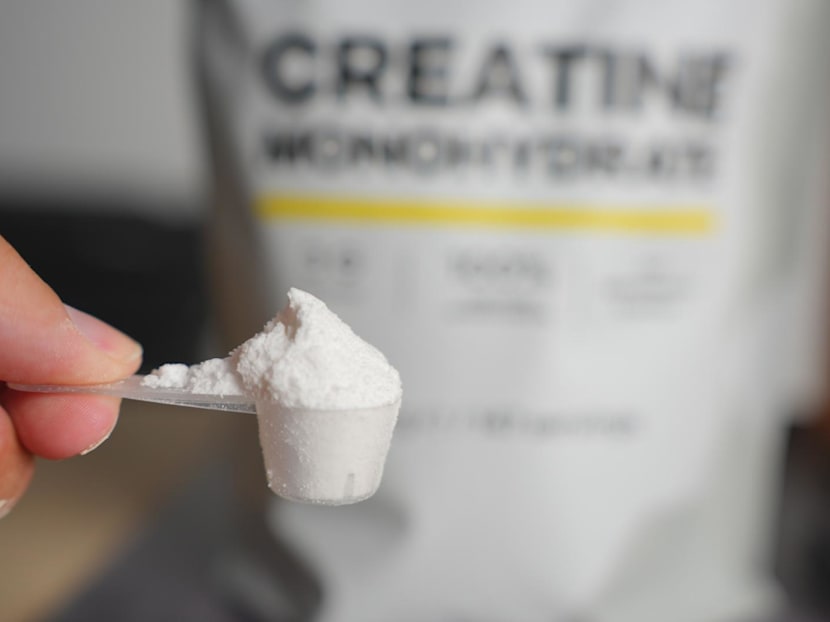
(Photo: iStock/Sidney van den Boogaard)

This audio is generated by an AI tool.


Creatine. It’s been associated with muscle-obsessed gym bros and an opportunistic supplement industry keen to jump on the next health fad. But does it really work the way you’ve read, such as helping you build bigger muscles, delay fatigue during exercise, and improve cognitive performance like better memory? Here’s a look.
WHAT IS CREATINE AND HOW DOES IT WORK?
For starters, creatine is not a steroid or any form of hormones. “Creatine is a naturally occurring compound found in the muscles and brain,” said dietitian Jaclyn Reutens from Aptima Nutrition and Sports Consultants. “It is made up of three amino acids: glycine, arginine and methionine.”
Every cell in your body, especially muscles, uses an energy currency known as adenosine triphosphate (ATP) to contract and create movement. However, your body only stores a tiny amount of ATP, just enough for about two to three seconds of maximum effort.
Once the ATP is used up, it becomes a "dead battery" molecule known as adenosine diphosphate (ADP). It's also why you feel fatigued and your muscles cannot continue to perform at maximum intensity.
If you’re wondering about glucose at this point, yes, muscles do use it as well but they must first convert glucose into ATP. It’s like paying for a bubble tea with a gold bar instead of a S$10 bill; not so convenient when your body needs the energy now.
But back to creatine. Your muscles store it as phosphocreatine and uses it to charge the "dead" ADP back into a working, energised ATP.
“Creatine acts as a rapid-response energy reserve for the body, said Tung Yee Nei, the lead nutritionist with nutrition app Ventrickle. “It is stored primarily in the muscles to provide on-demand fuel for short, high-intensity bursts of activity, such as sprinting or heavy lifting.”
WHAT ABOUT THE BRAIN?
As much as ATP is associated with muscles, the brain actually uses a huge amount of ATP, according to Assistant Professor Yeo Tianrong, the senior consultant heading National Neuroscience Institute’s Department of Neurology. When your brain is working hard, such as when you’re studying, focusing and multitasking, it burns through ATP quickly.

“Creatine may help to recycle ATP faster and may help to protect cells during metabolic stress,” said Asst Prof Yeo. Also, it “may improve short-term memory, mental stamina and reaction time, especially when sleep deprived or stressed”.
DO CREATINE LEVELS DIP WITH AGE?
Creatine is produced naturally by the liver, kidney and pancreas, and stored in the muscles and brain. “The human body produces 1g to 2g of creatine per day,” said Asst Prof Yeo. “In your 20s, the production is normal. In your 40s to 50s, muscle mass drops, which results in a decline in creatine stores.” In fact, said Reutens, your body’s diminishing ability to synthesise and store creatine can begin as early as your 30s.
The result? Declining creatine levels can take their toll on physical and mental fatigue as well as reduced strength and slower recovery, said Asst Prof Yeo.
Yee has another take on why your creatine levels decrease with age. “The physical and mental fatigue commonly associated with ageing is often attributed to mitochondrial dysfunction – a process where the ‘power plants’ of our cells become less efficient at producing energy,” she said, citing this study.
Asst Prof Yeo agreed that there could be other deciding factors and not just muscle loss. “Ageing also involves hormonal changes, poorer sleep, and more stress; therefore, creatine is one of many factors, not the sole cause.”
DOES CREATINE SUPPLEMENT WORK LIKE PROTEIN FOR MUSCLES AND CAFFEINE FOR THE BRAIN?
“Creatine does not build muscle like protein, nor does it stimulate the brain like caffeine; instead, it provides the underlying energy that makes those processes more efficient," explained Yee.
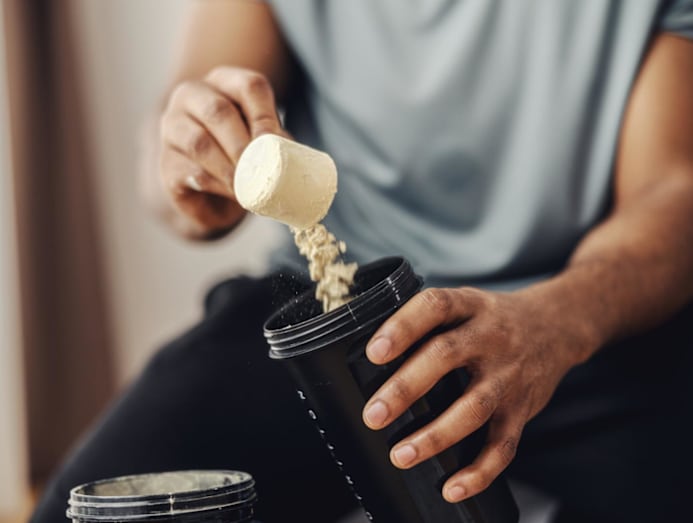
For instance, “protein builds the ‘structure’, whereas creatine provides the ‘fuel’ for you to train harder, which leads to growth over time”, Yee said. Unlike caffeine, creatine doesn’t provide “a temporary ‘jolt’ of mental alertness”; rather, it “ensures a steady supply of ATP to brain cells, particularly during high-stress tasks or periods of sleep deprivation”.
WHO CAN CONSIDER CREATINE SUPPLEMENTS?
“Creatine supplementation is useful for athletes or individuals performing high-intensity exercises that require bursts of energy, such as weightlifting and sprinting,” said Reutens. However, it is not useful for low-intensity aerobic exercises such as jogging, swimming, golf and cycling, she clarified.
As for brain function, Reutens noted that “some studies have shown that creatine supplementation helps with improving brain function for people above 60 years old in the areas of improving short term memory, neuroprotection and reasoning”. However, “more studies are needed for individuals below the 60 to help with reducing mental fog”.
Yee suggested that vegetarians and seniors may benefit from creatine supplements. “Because creatine is found naturally in red meat and fish, those on plant-based diets typically have lower baseline stores. Research has shown that supplementation in vegetarians can boost both physical performance and memory.
“To combat sarcopenia and support cognitive health,” Yee continued, “creatine, combined with regular resistance training, can help to improve strength and preserve lean mass.”
WHO SHOULD GIVE IT A MISS?
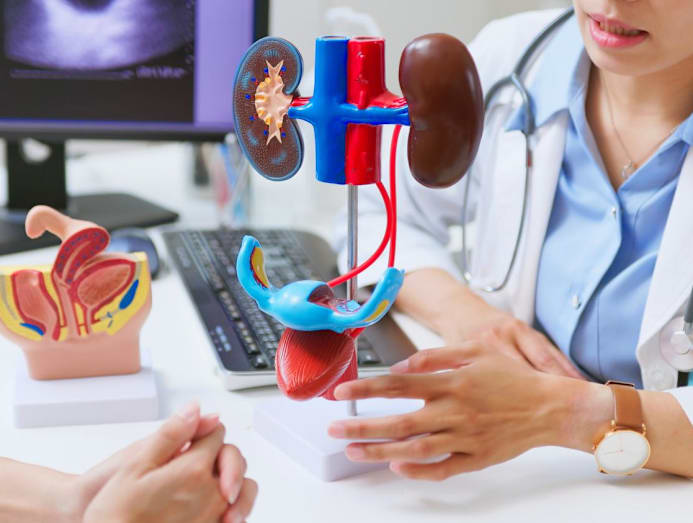
Those with existing kidney disease or impaired kidney functions. Reutens advised that they should not take creatine without consulting their doctors as it can overload the kidneys. This also applies to individuals who are predisposed to kidney problems because of diabetes, high blood pressure and reduced glomerular filtration rate, she said.
Other groups that Reutens cautioned against creation supplementation include those under age 18, or are pregnant or lactating as “there is insufficient evidence to claim that creatine is safe” for them.
HOW OFTEN DO WE HAVE TO TAKE IT?
“Creatine’s effects are dependent on tissue saturation, not acute ingestion,” said Yee. “As such, daily dosing is recommended, including non-training days.”
Consistency is important because “muscle creatine concentrations decline gradually if supplementation is inconsistent”, Yee said. “With consistent supplementation, one can expect to see effects within three to four weeks.”
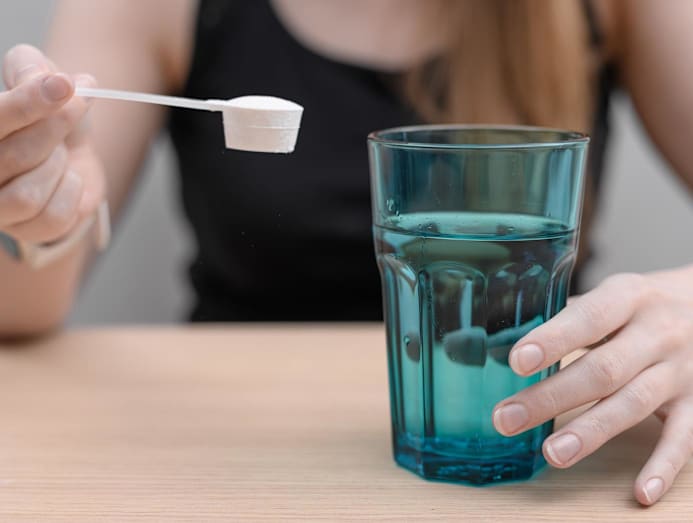
If you’re after muscle growth, you can’t just take creatine and skip the gym. “For muscle growth and maintenance, you need a robust fitness regime and daily creatine supplementation,” said Reutens. No short cuts.
What about boosting brain function? Reutens highlighted that “current research shows that you can take creatine daily without exercising regularly to improve mental alertness”.
But creatine supplements won’t give you an instant mental boost just before an important presentation like caffeine. “Creatine must accumulate in the body, usually over two to four weeks,” said Asst Prof Yeo.
HOW MUCH SHOULD WE TAKE?
Go online and you’ll be bombarded with recommendations ranging from 3g a day to as high as 10g daily. To add to the confusion, “there is no defined nutritional requirement for creatine”, unlike vitamins and minerals, said Reutens.
For the average gym-goer or weekend warrior, “3g to 5g of creatine per day is the safest dose studied for now with little or no side effects, and for optimum results”, said Reutens. “These are the levels that were the most effective at maintaining muscle mass.”
If you’re supplementing for brain power, 5g a day appears to be a better bet than 3g in some studies, she added.

But more doesn’t necessarily mean better. Research has shown that “10g of creatine per day did not seem to have significant added performance once the muscles were saturated with creatine,” said Reutens. “In fact, 10g doses have been shown to cause gastrointestinal discomfort such bloating, diarrhoea and nausea.”
Still, these high doses are usually used by “elite athletes or those with significantly higher-than-average muscle mass”, said Yee. “A weight-based calculation is often used by them.”
CAN OUR BODIES GET USED TO CREATINE OVER TIME?
No, according to Reutens. And neither will you need to keep upping the dose to keep it effective, she said. “Creatine is not a drug or stimulant; it is a substance that your body naturally produces. Your body will not forget to produce it or become addicted to the supplementation.”
Once you stop taking creatine, explained Reutens, the levels of phosphocreatine in your muscles will slowly decline over the next few weeks. “That’s when you will see a decrease in high-intensity workout performance. When you resume creatine supplementation, your high-intensity performance will slowly improve again.”
ANY DOWNSIDES?
Creatine uses water to deliver phosphocreatine to the muscles and brain – which also explains why you should be well hydrated when supplementing with creatine.
Potentially, you could gain about 1kg to 2kg in weight in the first few weeks due to water retention, said Yee. If you’re on a high dose of more than 10g per day, you could be open to nausea, cramping or diarrhoea.

“Expect a rise in blood creatinine levels during blood tests,” added Reutens. “It is to be expected and not considered harmful. Individuals with healthy kidneys should not experience adverse side effects.”
To be safe, don’t take creatine supplements with nephrotoxic drugs, advised Yee. “Avoid combining creatine with medications that can stress the kidneys, such as high doses of nonsteroidal anti-inflammatory drugs (NSAIDs) like ibuprofen or certain antibiotics, without medical advice.”
Don’t mix the supplement with diuretics either. “As creatine may lead to water retention, it may interact with diuretic medications used for blood pressure,” she said. For the same reason, try not to take your creatine supplement with coffee or tea.
HOW DO WE CHOOSE?
Opt for creatine monohydrate in powder form as it is currently “the most effective, well-researched and safest form of creatine”, said Reutens. There are other forms such as creatine ethyl ester, buffered creatine and creatine hydrochloride but they “are less researched, appear to be less effective, and may cause gastrointestinal discomfort”.
If you're not keen on partially dissolved powders and gritty textures, try mixing creatine monohydrate powder in warm water instead of room temperature water. “Its solubility increases as the temperature of the water rises,” said Yee.
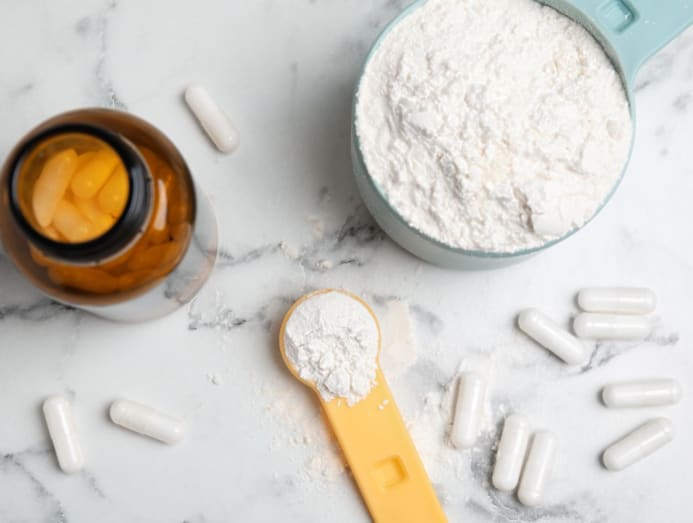
Texture alone does not affect your body’s absorption of creatine. “Even if the undissolved creatine is ingested, it will rapidly dissolve in the warm, acidic environment of the gastrointestinal tract," said Yee.
If you don't want to fiddle with powder, creatine monohydrate is also available in capsule or tablet form for convenience.
Gummies can be a choice, too, if you’re certain of the manufacturer. “One of the downsides of creatine from gummies is that one gummy may only contain 1g to 2g of creatine monohydrate, which means you may need to eat three to five gummies as opposed to one scoop of powder,” she said.
WHAT’S THE BEST TIME TO TAKE IT?
It seems intuitive to down some creatine before a workout to fuel up the muscles. But hold that thought. “There is some evidence that creatine supplementation post-workout increased fat-free mass and strength more than pre-workout supplementation,” said Reutens, although she qualified that the difference is marginal and further studies are warranted.
“There are some studies that suggest taking creatine with a meal, especially one containing carbohydrates or protein, may slightly improve its uptake into the muscles due to the natural insulin response,” she added.
“As cliched as it sounds, the best time to take creatine is whenever you are most likely to remember to take it every day,” said Reutens.