A radiologist who spotted tumours on her own scan now dances competitively after surviving ovarian cancer
When Dr Anne Tan Kendrick spotted tumours during an ultrasound she performed on herself, she knew it was cancer. Years after surviving Stage 3 ovarian cancer, the mother of four has started dancing competitively – and is now speaking out to raise awareness of the disease.
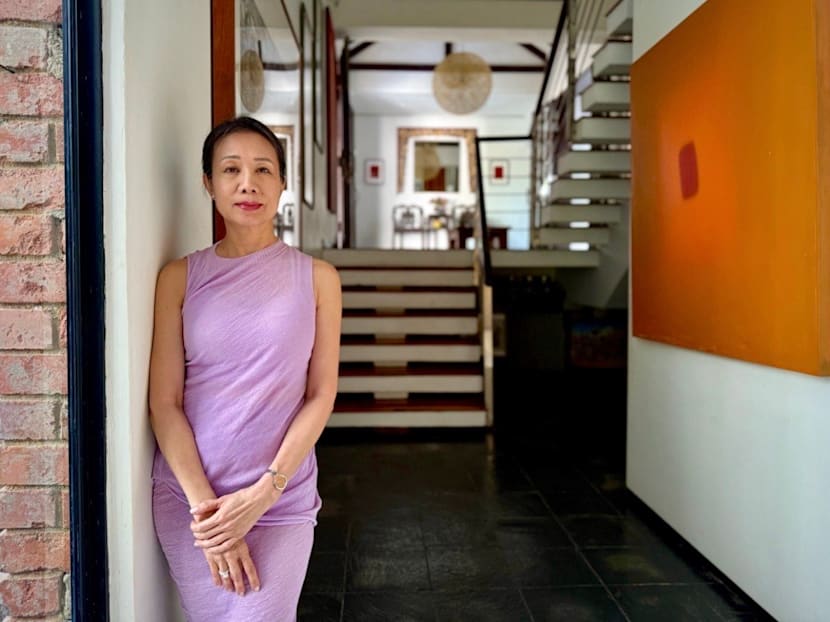
Radiologist Dr Anne Tan Kendrick initially dismissed the warning signs but did an ultrasound on herself that eventually led to a Stage 3 ovarian cancer diagnosis. (Photo: Eveline Gan)

This audio is generated by an AI tool.
Instead of heading home after seeing her last patient on a Friday evening in November 2018, radiologist Dr Anne Tan Kendrick decided to give herself an ultrasound scan.
After pressing the ultrasound probe against her abdomen, she saw several large tumours on the screen.
“My world fell apart when I saw the large tumours in my pelvis. I knew straight away I had cancer and my life was about to turn upside down,” Dr Tan said.
In that moment, the radiologist found herself on the other side of the patient journey. She was about to face a gruelling battle with advanced ovarian cancer.
Now 62, Dr Tan is opening up about her experience to raise awareness of ovarian cancer, often dubbed the silent killer. It is the sixth most common cancer among women in Singapore, according to the Singapore Cancer Registry Annual Report 2023.
Dr Tan initially dismissed her warning signs: bloating below the belly button, constipation and a heavy, achy sensation in her left leg. “The symptoms are very ordinary, quite vague and easy to ignore until it’s advanced,” she said.
Other signs that may suggest ovarian cancer are flatulence and indigestion, abnormal vaginal bleeding, an enlarged abdomen, urinary issues.
FEAR AND SADNESS AFTER A DIAGNOSIS
More detailed scans and a blood test for ovarian tumour markers confirmed Dr Tan’s fears: it was Stage 3 ovarian cancer.
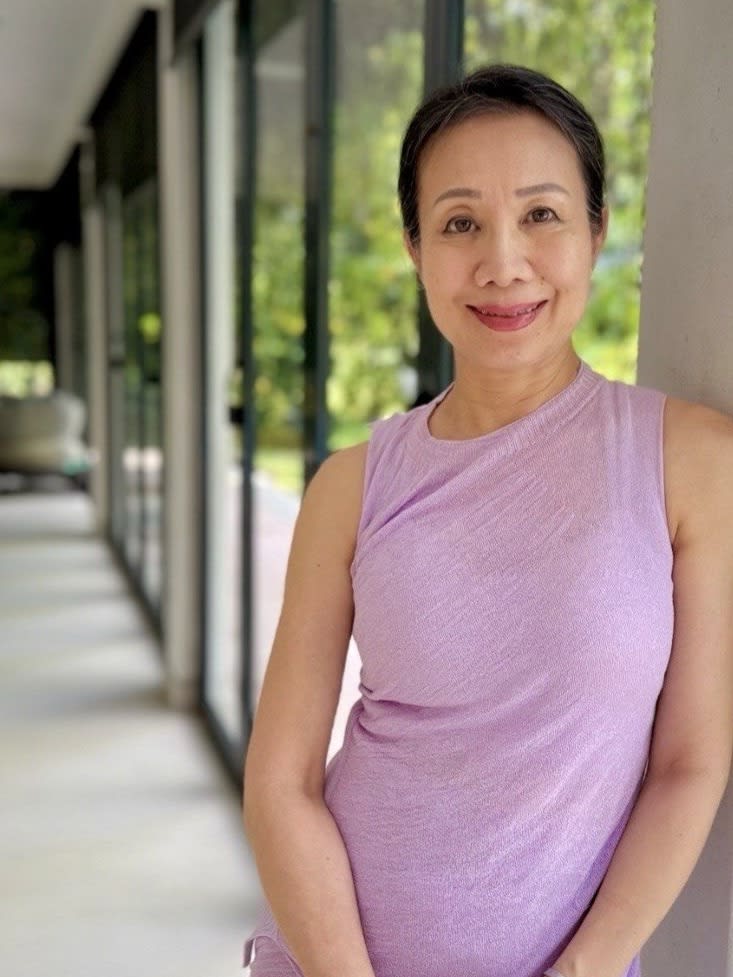
As a radiologist who had spent years interpreting medical imaging, Dr Tan’s medical background gave her clarity and composure to act quickly. However, it also meant that she fully understood what lay ahead.
“Because I understood full well what the implications of my cancer diagnosis were – the surgical and chemotherapy complications, the mortality rate of around 50 per cent at five years, and recurrence rate of 90 per cent in the first two years – I was terrified, scared and also very sad,” she said.
Tearing up during the interview with CNA Women, Dr Tan recalled the sadness she felt thinking she might not live to watch her children grow up. Her youngest child was 10 years old then.
“I remember telling my surgeon he had to do whatever it took to let me see my youngest child grow up into an adult,” said the mother of four boys, now aged 29, 26, 24 and 18.
MAJOR SURGERY AND GRUELLING TREATMENT
Dr Tan underwent major surgery soon after, followed by chemotherapy, then targeted therapy. The treatment journey, she said, was brutal and “overwhelming in every way possible”.
During a seven-hour operation, surgeons removed 11 affected body parts, including the uterus, ovaries, lymph nodes, two pieces of her right diaphragm, and 30 cm of her colon which the cancer had wrapped around.
The surgery left her with a long scar from the breastbone to her pubic bone, “like Frankenstein”, she joked.
After the surgery, her intestines “went on strike”, and she could not eat without throwing up. Removal of multiple lymph nodes also left her with a build-up of excess lymphatic fluid, resulting in painful swelling.
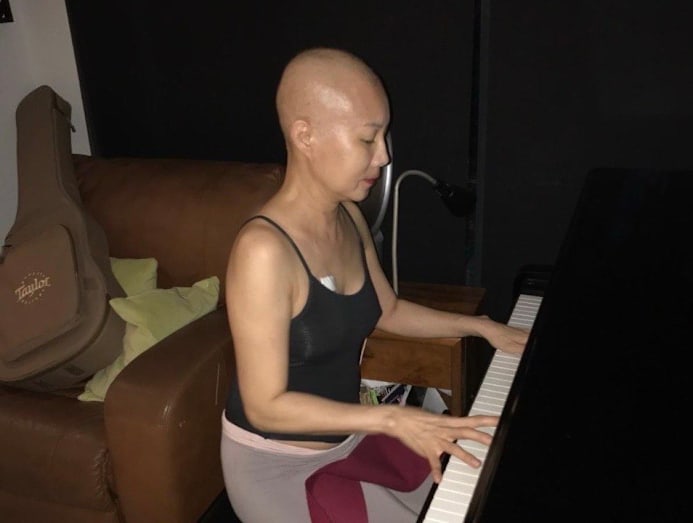
Chemotherapy brought side effects like bone pain, headaches as well as low platelet and white blood cell counts, resulting in nasty infections, excessive bleeding and skin peeling. She also developed peripheral neuropathy (nerve damage), which made walking barefoot painful. She lost all her hair, including her eyelashes.
Although the physical ordeal was difficult, the emotional and mental toll hit even harder.
“How does one begin to explain the feeling of knowing you might die before you expect to?” she said. “I think it’s harder when you have dependants. My work as a parent was not done yet. The thought of not being able to fulfil those duties – that part was hard.”
Throughout her treatment, family and friends were her pillars of support. Her older children took turns staying overnight in the hospital with her. They and some friends shaved their heads in solidarity. Some also joined a cancer charity run in support of her.
FOUR THINGS TO KNOW ABOUT OVARIAN CANCER
1. Early symptoms are often vague
Ovarian cancer is dubbed “silent” because symptoms like bloating, digestive issues and changes in bowel habits can be subtle and easily dismissed. Dr John Chia, medical oncologist at Curie Oncology and president of the GyneCologic Cancer Group Singapore, said that ovarian cancer may spread within the abdominal cavity before obvious symptoms appear.
2. About 20 per cent of ovarian cancers are linked to inherited gene mutations
Around one in five high-grade serous ovarian cancers – the most common and aggressive type – are linked to inherited mutations such as BRCA1 and BRCA2.
There is currently no routine screening test for ovarian cancer for the general population. But because of the high frequency of these inherited mutations, guidelines now recommend women diagnosed with ovarian cancer to be referred for genetic assessment, counselling and testing, regardless of family history, said Dr Chia.
Close relatives are advised to test as well, including first-degree relatives such as both parents, direct siblings, as well as their children after they turn 21, he added.
This is because half of mutation carriers may not have a strong family history of cancer and could be missed if only patients with family history are screened, Dr Chia explained.
Testing and picking up these mutations can help guide treatment decisions for patients. It can also help family members who are mutation carriers understand their own cancer risks and consider preventive measures.
3. Don’t skip regular gynaecological check-ups
Treat gynaecological visits like dental appointments, said Dr Chia. Do this regularly rather than when symptoms appear; aim for a yearly check-in. For those with known issues like fibroids or endometriosis, consider going every six months.
4. Treatment outcomes are improving
Ovarian cancer is no longer a “death sentence”, as new treatments have improved, said Dr Chia. They include targeted therapies such as anti‑angiogenic drugs and PARP inhibitors, which Dr Anne Tan Kendrick underwent. The former blocks the growth of new blood vessels that feed tumours while PARP inhibitors prevent cancer cells from repairing themselves.
IMPACT OF OVARIAN CANCER
While Dr Tan’s perspective as both doctor and patient may be uncommon, her cancer journey is not unique among women with ovarian cancer, especially those diagnosed after the disease has spread.
Ovarian cancer is one of the female cancers that has shown an upward trend in Singapore. According to the Singapore Cancer Registry 2023 report, ovarian cancer incidence rose from 10.8 per 100,000 in the five-year period from 1998 to 2002, to 12.2 per 100,000 from 2019 to 2023. About 45 per cent of ovarian cancer cases diagnosed were at an advanced stage.
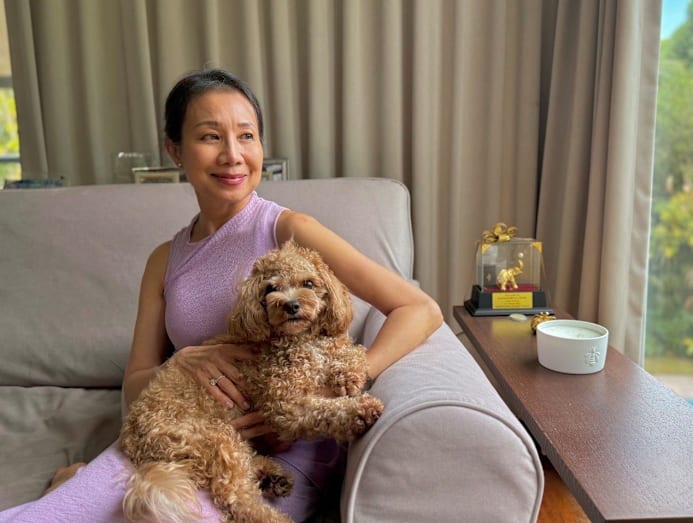
Having been through ovarian cancer, Dr Tan said she has seen how many women struggle: the huge scars and major internal surgery that leave them with poorer quality of life, higher recurrence risks, as well as poorer survival outcomes.
For instance, the five-year survival rate for ovarian cancer is around 45 per cent, compared with 84 per cent for breast cancer, based on 2019-2023 data in the Singapore Cancer Registry Annual Report 2023.
Financial strain is often another consideration, she added, as many patients are unable to work during treatment and recovery.
“Many of them can’t work for a substantial amount of time because they have undergone a very major operation. If they have a recurrence, then it knocks them back again. So, it is not easy,” she said.
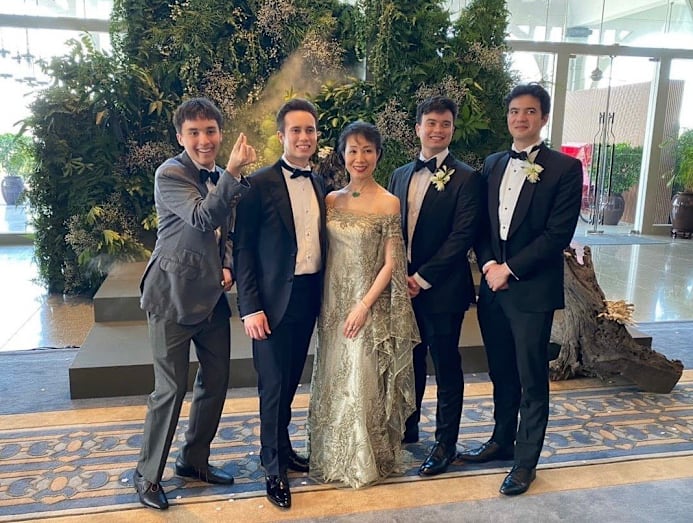
Given that inherited gene mutations account for 20 per cent of ovarian cancer cases, Dr Tan believes there are benefits in making preventive measures such as genetic testing more widely available and affordable, as well as managing costs for newer, more effective cancer treatments.
There is currently no standard screening programme for ovarian cancer, but from December this year, Singaporeans at high risk of hereditary breast and ovarian cancers will have access to subsidised genetic testing, the Ministry of Health recently announced.
DANCING HER WAY THROUGH RECOVERY
Dr Tan considers herself “very fortunate”. Eight years on, she has had no recurrence. In 2020, two years after her diagnosis, she returned to work, exercising more and travelling between her regular follow-ups.
Since completing treatment, she has found strength in movement and exercise, especially dance. Dr Tan took up dancing in 2021 to combat osteoporosis. Bone loss is one of the effects of some cancers and their treatments, including ovarian cancer.
She joined a colleague who was learning the tango and from 2024, began taking part in ballroom and Latin dance competitions in Singapore and overseas as an outlet for joy and self-expression. She has won all competitions in her age category, she said.
From May 17 to 19, 2026, she's competing in the 2026 Blackpool Dance Festival in the United Kingdom.
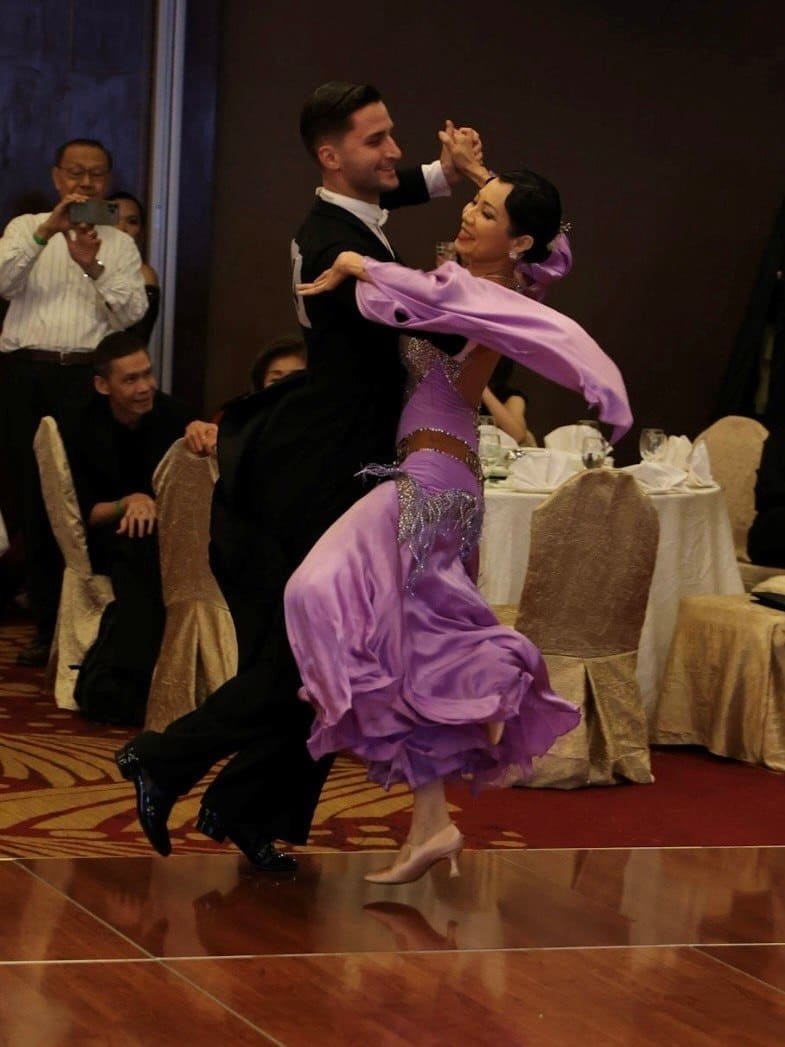
Dr Tan practises one to two hours every other day, incorporating some resistance training or yoga in between her dance sessions.
Her dance practices involve intense footwork drills, choreography rehearsals and exercises that build strength, balance and flexibility. “I love them all,” she said, of the various dance styles she performs.
Dance, however, is not without challenges. Years after cancer treatment, Dr Tan still lives with physical reminders of her health ordeal. For example, peripheral neuropathy has slowed her reaction time slightly and her balance is “not as good as before”.
The lymphedema in her left leg can feel uncomfortable and affect flexibility. Her shortened gut has left her digestive system sensitive. To strengthen her diaphragm, she practises deep breathing and does core exercises.

Surviving cancer has meant adjusting to “the new me”, Dr Tan said. “One has to find ways to adapt and manage the side effects and physical limitations. I learn to appreciate what I have rather than what I do not or cannot have.”
On Aug 29, 2026, she will walk the runway for Fashion for Cancer, a fundraising event supporting cancer research and patient care. Proceeds raised will be donated to the National Cancer Centre Singapore’s Cancer Fund. For Dr Tan, it is another way of raising awareness for ovarian cancer.
While the possibility of recurrence still lingers, she chooses not to dwell on it and prefers to appreciate how precious life is and the kindness of people around her.
“Life is so fragile. If you think too much about that, you won’t even think about getting out there and living your life,” she said.
CNA Women is a section on CNA Lifestyle that seeks to inform, empower and inspire the modern woman. If you have women-related news, issues and ideas to share with us, email CNAWomen [at] mediacorp.com.sg.