Can you undo indulgent meals with healthier choices? What really helps (and what doesn’t)
From drinking water after salty meals to eating fruit to offset sugar binges, many of us try to “fix” our indulgences. But do these habits actually work?

(Photo: iStock/Stopboxstudio)

This audio is generated by an AI tool.


I don’t know about you but when I occasionally “accidentally” stuff my face with too much salted egg yolk potato chips, or inhale a rib-sticking pot of kimchi jiggae, I would try to redeem myself by drinking more water. You know, to “flush out” the sodium.
Every time I hit rock bottom – of an ice cream tub – I pray that eating some fibre would help to police the sugar high. Ate too much at dinner? Fruit should smooth things out in the digestive tract, right?
Some of us practise some form of atonement to feel a little better after unbridled moments of sheer indulgence. Like drinking tea, a diuretic, after eating instant noodles in the hope of passing out the water retained by sodium. Just how misguided are our actions or do they actually work?
CAN WE EAT CERTAIN FOOD TO COUNTER OUR EXCESSES?
No, said the experts. “Countering or neutralising the effects of certain foods with that of another are generally not based on any scientific evidence and do not work,” said Dr Melvin Look, the director and a consultant surgeon in gastrointestinal, laparoscopic and obesity surgery at PanAsia Surgery.
In other words, you can’t count on the fibre of fruit to stabilise the sugar spike after, for example, bingeing an entire kunafa chocolate bar in one sitting.
“Adding an apple to a sweet treat simply adds more sugar to an existing glucose load,” said Dr Joel Foo, the managing director and a family physician from ATA Medical. “It does not stabilise the insulin spike that has already been triggered.” But you might be able to help yourself better by eating the apple first, he said, to “slow gastric emptying”.
WHAT ABOUT DRINKING MORE WATER?
According to Dr Foo, drinking water can be effective to some extent. “Water assists the kidneys in flushing excess sodium,” he said, and recommended sipping 500ml to 700ml of water over the following hour.
“Drinking water immediately after also helps with stopping you from eating more food,” highlighted dietitian Jaclyn Reutens from Aptima Sports and Nutrition Consultant.
Still, water isn't the panacea to your sodium excesses because it is your kidneys – and not the amount of water you drink, that manage sodium levels. Too much sodium can actually cause your body to retain water to balance the sodium, which can lead to bloating, swelling, and increased blood pressure, according to Healthhub.

But when it comes to sugar, water doesn’t quite work the same way. “Once the sugar is in the blood, it must be used for energy or stored as glycogen or fat,” said Dr Foo.
“The best remedy for a sugar spike is light physical activity such as walking or cycling immediately after eating,” he continued. “This encourages the muscles to take up the sugar without being entirely reliant on the hormone insulin.”
DOES DRINKING TEA HELP?
Drinking some tea after a particularly sodium-laden meal might seem like a good idea to offset salt's ability to retain water and cause bloating.
But you could end up retaining even more water, said Reutens. Tea and coffee contain caffeine, which can dehydrate you – and “being dehydrated triggers the production of an anti-diuretic hormone that makes you retain even more water”, she explained.

If you’re cooking instant noodles, you’re better off using half the soup powder sachet, suggested Reutens. “Eat more fruits and vegetables, which are high in potassium to help to balance sodium levels.”
Magnesium-rich foods such as seeds and nuts may also help counteract the sodium overload, said Dr Look.
As for tea's effect on oily food, a 2024 study from the University of Birmingham found that flavanol compounds in green tea "could counteract some of the impact of fatty food and protect the vascular system from stress", reported Science Daily.
"We have previously shown that fatty food can impair the body's vascular recovery from stress," said lead researcher Dr Catarina Rendeiro, an assistant professor in Nutritional Sciences. "This research shows that drinking or eating a food high in flavanols can be used as a strategy to mitigate some of the impact of poorer food choices on the vascular system."
Good flavanol sources include green tea, black tea, berries and cocoa. Guidelines recommend 400mg to 600mg of flavanols daily, which you can get from two cups of black or green tea, or a combination of berries and high-quality cocoa.
CONVERSELY, ARE THERE COMBINATIONS TO AVOID?
Yes, there are because some of the nutrients in food can interact with each other and affect nutrient bioavailability, said Dr Look. “For the majority of healthy people consuming a varied diet, these interactions tend to balance out and are not clinically significant,” he said.
But if you have a nutrient deficiency (such as from heavy menstruation or in some iron-deficient pregnant women), or you only consume a limited range of food groups (such as vegetarians), nutrient interactions are more important to note, he added.
HOW DOES THE DIGESTIVE SYSTEM WORK?
Not everything gets digested in the acid pit that is your stomach. Here’s a look:
MOUTH: Saliva, which contains the amylase enzyme, gets to work on carbohydrates, said dietitian Jaclyn Reutens from Aptima Sports and Nutrition Consultant. After chewing and swallowing, food becomes a bolus that goes through the oesphagus and enters the stomach.
STOMACH: Protein gets digested by hydrochloric acid and pepsin to become amino acids, said Reutens. However, “no carbohydrate digestion takes place as the carb-digesting amylase is deactivated by the low pH of the hydrochloric acid,” she said.
SMALL INTESTINE: Here, “nearly all the carbohydrates, proteins, fats, vitamins, minerals and water are absorbed into the bloodstream”, said Dr Melvin Look, the director and a consultant surgeon in gastrointestinal, laparoscopic and obesity surgery at PanAsia Surgery.
Dr Joel Foo, the managing director and a family physician from ATA Medical, breaks down the absorption further:
- Duodenum (front part of the small intestine): Absorbs iron and calcium
- Jejunum (middle section): Absorbs sugars, amino acids and fatty acids
- Ileum (terminal portion): Absorbs Vitamin B12 and bile salts
Carbohydrates and fat get digested in the small intestine, thanks to the pancreatic amylase secreted by the pancreas and bile from the liver, Reutens explained.
COLON: This is the final stretch for your gastrointestinal tract to soak up the last bits of nutrients, said Dr Foo, including “water, electrolytes and specific vitamins like Vitamin K and B vitamins that are synthesised by our gut microbiome”.
Here’s a look at five such examples:
1. IRON
Interacts with:
- Calcium (dairy products)
- Tannins (tea, coffee and wine)
- Oxalates (spinach, sweet potato and almonds)
- Phytates (whole grains such as rice, oat and millet)
How: This is clinically significant, according to Dr Foo, especially when it comes to plant-based, non-heme iron from sources including soya beans, chickpeas, lentils, chia seeds and spinach. This form of iron can bind to calcium, tannins, phytates and oxalates to form insoluble complexes that the body cannot absorb, he explained.
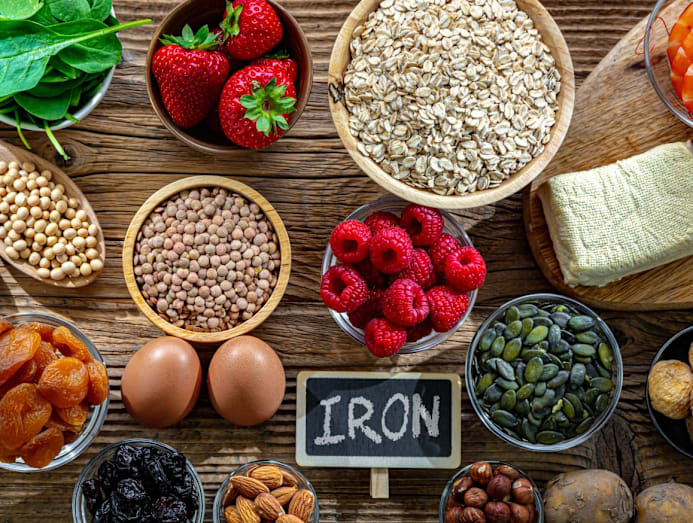
The fix: If you’re prescribed a calcium supplement, take it two hours before or after an iron-rich, plant-based meal, suggested Reutens.
You can also enhance your body’s absorption of iron by rounding your meal with Vitamin C-rich citrus fruits, she recommended. Or wait one to two hours before having your cup of tea or coffee – preferably with dairy milk. “Milk binds to tannins and prevents tannins from binding to iron,” said Reutens.
2. ZINC
Interacts with: Copper.
How: Some people take a zinc supplement in the hope of shortening their cold or flu recovery period. However, both zinc and copper compete for absorption in the duodenum and jejunum of the small intestine. So, taking too much zinc could cause your copper levels to drop and ironically, increase your risk of infection, including a cold or flu.
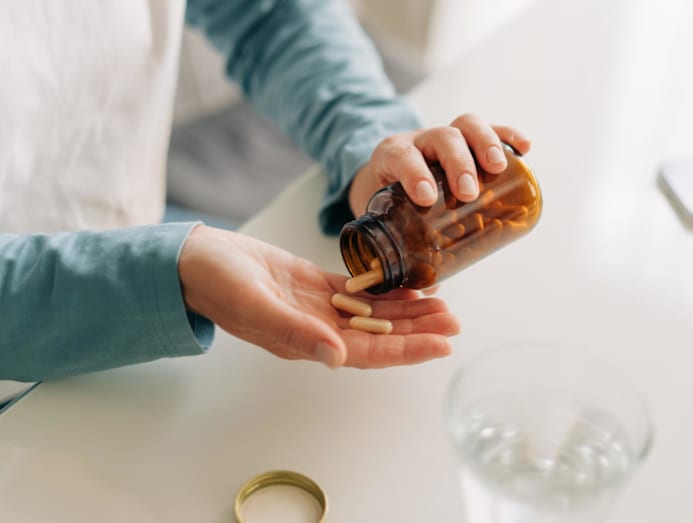
The fix: You rarely need a zinc supplement, even when you have a cold; there is no guarantee that zinc will help you feel better faster, according to Mayo Clinic.
3. VITAMINS A, D, E and K
Interacts with: Low-fat diet.
How: “During digestion, fat forms structures called micelles that allow these fat-soluble vitamins to be absorbed through the intestinal wall," said Reutens. “This means that a low-fat diet decreases absorption of these vitamins and can increase the risk of their deficiencies.”
The fix: Include healthy fats in your diet from avocadoes, nuts, seeds, olive oil, canola oil, flax seed oil and fatty fish, including salmon and sardines.
HOW LONG DOES DIGESTION TAKE?
The whole digestion business – from mouth to anus, or what Dr Melvin Look called the whole gut transit time (WGTT) – takes “slightly longer than 24 hours” on average. “But anything ranging from half a day to three days can still be considered normal,” he said.
Doctors usually assess WGTT by getting patients to swallow marker-filled capsules, then track the markers’ positions in the gastrointestinal tract through X-ray over three to five days, said Dr Look.
“A simpler, layman way to check this is by consuming indigestive foods such as sweetcorn kernels and observing the time required for them to appear in your stools,” he suggested. “Alternatively, a colour marker such as cooked beetroot can also be used as it turns your stools red.”
4. VITAMIN B12
Interacts with: Alcohol.
How: “Alcohol interferes with Vitamin B12 absorption by damaging the stomach lining that produces the intrinsic factor needed for its absorption,” said Reutens.
The fix: Eating more Vitamin B12-rich foods such as meat, fish, eggs and dairy may improve your stomach lining situation. “While Vitamin B12 is relatively stable, gentler cooking methods such as steaming and sauteing are preferred to retain it,” said Reutens.
It also helps, she added, to limit your intake to one to two standard alcoholic drinks, keeping at least two alcohol-free days a week.

5. FIBRE
Interacts with: Iron, zinc and calcium.
How: Fibre is great for you but too much fibre can physically trap minerals like calcium and zinc before they can be absorbed, said Dr Foo. Moreover, too much fibre can also cause bloatedness, added Reutens.
The fix: If you’re not consuming sufficient fibre, increase your intake gradually and maintain high water intake, recommended Dr Foo. Even then, don’t overdo it. “Keep to the recommendations of two servings of fruits and vegetables, and two to three servings of wholegrains a day,” said Reutens.