Can pregnancy damage your teeth? What food cravings, morning sickness and hormones do to your oral health
Morning sickness and hormonal changes don’t just affect your stomach and mood – they can also take a toll on your teeth and gums. Here’s what’s happening in your mouth during pregnancy, how to protect your oral health and why you shouldn’t skip that dental visit.
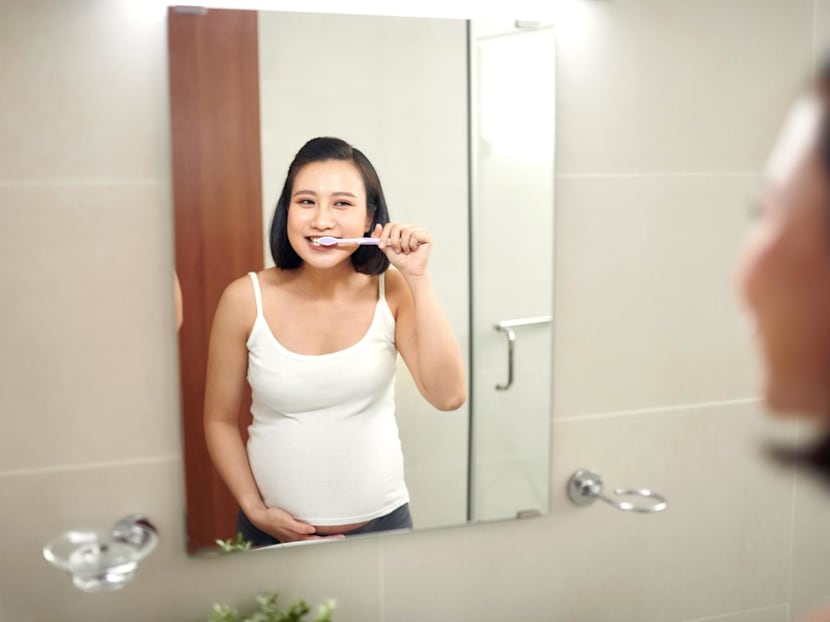
Pregnancy hormones, morning sickness and vomiting, and even increased snacking can affect a woman’s oral health. (Photo: iStock/Makidotvn)

This audio is generated by an AI tool.


The rush of hormones during pregnancy may result in nausea, food cravings, mood swings and heartburn – it can also take a toll on oral health.
The increase in hormone levels – particularly oestrogen and progesterone – makes women more prone to developing gum disease such as pregnancy gingivitis and periodontitis, said Dr Chan Boon Hui of KK Women’s and Children’s Hospital Dental Service.
“Gingivitis is a mild form of gum disease which presents with swollen and inflamed gums that bleed easily,” explained Dr Chan, who is an oral and maxillofacial surgeon.
“Untreated, it progresses to periodontitis, a more severe form of gum disease where there is also irreversible loss of bone around the affected teeth. This can eventually lead to tooth loss,” he added.
Dr Patricia Wong, director of Dental Services at National University Polyclinics, said changes in hormone levels affect the way gums react to plaque, the sticky film that builds up on teeth. This increased inflammatory response to dental plaque causes the gums to swell and bleed more easily, and manifest as pregnancy gingivitis.
“Women who have gingivitis before pregnancy are more prone to exacerbation during pregnancy,” she said. “A small percentage of women may experience pregnancy epulis – benign growth on the gums which may bleed easily – due to the heightened inflammatory response to bacteria.”
HOW MORNING SICKNESS AFFECTS YOUR TEETH
If your morning sickness involves vomiting and not just feeling queasy, your teeth could be at risk.

Dr Wong said that during vomiting, stomach acid comes into contact with teeth, thus eroding its enamel. This damages the teeth’s protective layer and makes it more prone to sensitivity and tooth decay.
“After vomiting, it is best to rinse the mouth with plain water immediately to neutralise the acid,” she added.
Tempted to brush your teeth right after vomiting? Don’t. “The brushing action would further damage teeth structure in an acidic oral environment,” Dr Wong added. “Wait for 30 minutes to an hour before brushing.”
Some pregnant women may find it hard to brush their teeth due to an increased gag reflex. But they should still brush twice a day.
Dr Wong recommended trying a toothpaste with a fruit flavour or one that is less minty. If the taste of toothpaste doesn’t agree with you, you could also brush with plain water, followed by rinsing with fluoridated mouthwash.
“Vary the timing of brushing to avoid the times of most severe morning sickness,” said Dr Wong. “Listen to your favourite music or a podcast when brushing as a form of distraction and to make the experience more enjoyable.”
Dr Chan suggested opting for a smaller toothbrush, which may be easier to manoeuvre and less likely to trigger gagging.
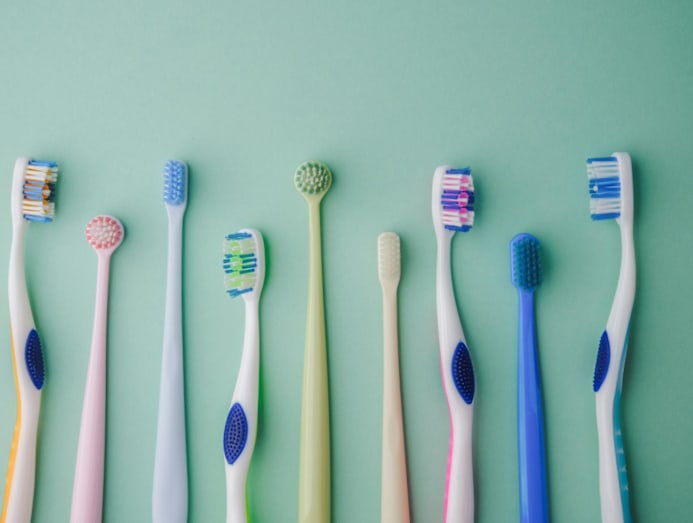
Brush slowly and use gentle motions rather than vigorous scrubbing. Dr Chan also proposed distraction techniques such as taking slow, deep breaths through your nose to help suppress the gag reflex. Or close your eyes while brushing to block out visual triggers that may worsen gagging.
Remember that frequent snacking or consuming more sweet food and drinks to combat the nausea from morning sickness also increases the risk of developing dental decay.
Towards the third trimester, the problem may be compounded by reduced salivary flow and a drop in pH, which makes saliva more acidic, said Dr Chan.
Saliva plays an important role in buffering acids and protecting teeth. When its flow decreases, the mouth is less able to neutralise stomach acid, leaving teeth more vulnerable to damage.
“Enamel erosion is irreversible and can make teeth more sensitive to temperature and touch,” Dr Chan told CNA Women.
IMPACT ON BABY
Poor oral health during pregnancy could also impact your baby – both in the womb and after birth. Dr Chan mentioned the link between poor gum health in pregnancy and preeclampsia.
“Preeclampsia is characterised by high blood pressure and can lead to potential organ damage, presenting significant dangers to both maternal and foetal health,” he said.

He added that gestational diabetes may also be associated with poor oral health, potentially making pregnancy and delivery “more challenging”.
Dr Chan said that many studies have shown a link between severe periodontitis and adverse pregnancy outcomes. Periodontitis can result in changes in the mother’s bloodstream, which may interfere with the development of the foetus and even trigger early labour, he added.
Once the baby is born, mums with poor oral health may pass bacteria to their infants through kissing them or sharing food and common spoons, National University Polyclinics’ Dr Wong added.
VISITING THE DENTIST DURING PREGNANCY
Dr Wong said pregnant women should schedule a dental examination if it has been more than six months since their last check-up or if they have any oral health problems.
Signs to look out for include red or swollen gums, bad breath, pain or discomfort that affects normal daily function and bleeding from the gums or blood in the sink after you brush your teeth.
KKH’s Dr Chan said that routine dental treatments such as cleaning and simple fillings can be carried out at any stage, with some adjustments, and that the second trimester is generally considered the safest period for dental procedures.
These may include scheduling visits to avoid times of increased nausea, allowing for short breaks during treatment and adjusting body position to ensure comfort by not reclining the dental chair excessively.

“Patients often need reassurance that prevention, diagnosis and treatment of oral conditions, including dental X-rays (with shielding of the abdomen and thyroid) and local anaesthesia are safe during pregnancy,” said Dr Wong.
She added: “Conditions that require immediate treatment, such as extractions, root canal treatment and restoration of untreated tooth decay, may be managed at any time during pregnancy. Delaying treatment may sometimes result in more complex problems.”
Dr Chan stressed that it is important to inform the dental team about your pregnancy, even if it has not been confirmed. Key information to provide includes the stage of pregnancy and the expected due date. Patients should also share a list of any medications they are currently taking.
“If the pregnancy has been classified as high risk, the dentist may advise postponing certain dental treatments, such as complex root canal therapy or oral surgery, until after delivery,” he added.
TIPS FOR GOOD ORAL HEALTH
To maintain good oral health during pregnancy, brush your teeth twice a day and spend at least two minutes each time.
“In addition to brushing, flossing once a day effectively cleanses away food particles and debris from between the teeth, where a toothbrush may not reach,” said Dr Chan.

Water should also be your best friend – drinking plenty of it between meals supports oral health by helping to wash away residual food particles and maintain moisture in the mouth. Staying hydrated also aids in reducing the build-up of acids that can harm tooth enamel, said Dr Chan.
These good habits should continue after baby is born. Dr Wong acknowledged that caring for a baby is demanding and mothers are often overwhelmed with duties like breastfeeding every two to three hours and may suffer from sleep deprivation. Many also snack more frequently to maintain the calorie intake required for breastfeeding mothers.
“With the loss of a regular sleep schedule, the routines of teeth brushing in relation to waking up in the morning and before bedtime are disrupted,” she said. “Many sleep-deprived mothers neglect their oral hygiene during this period and are at higher risk of tooth decay and gingivitis.”
CNA Women is a section on CNA Lifestyle that seeks to inform, empower and inspire the modern woman. If you have women-related news, issues and ideas to share with us, email CNAWomen [at] mediacorp.com.sg.